Business News
LNG disruption may reduce city gas distribution volumes by 8-10%, but margins likely intact: CRISIL
.png)
3 min read | Updated on March 13, 2026, 16:04 IST


SUMMARY
The drop is expected mainly due to reduced natural gas availability for piped natural gas supplied to industrial and commercial users, which relies heavily on imported Liquefied Natural Gas.
Stock list
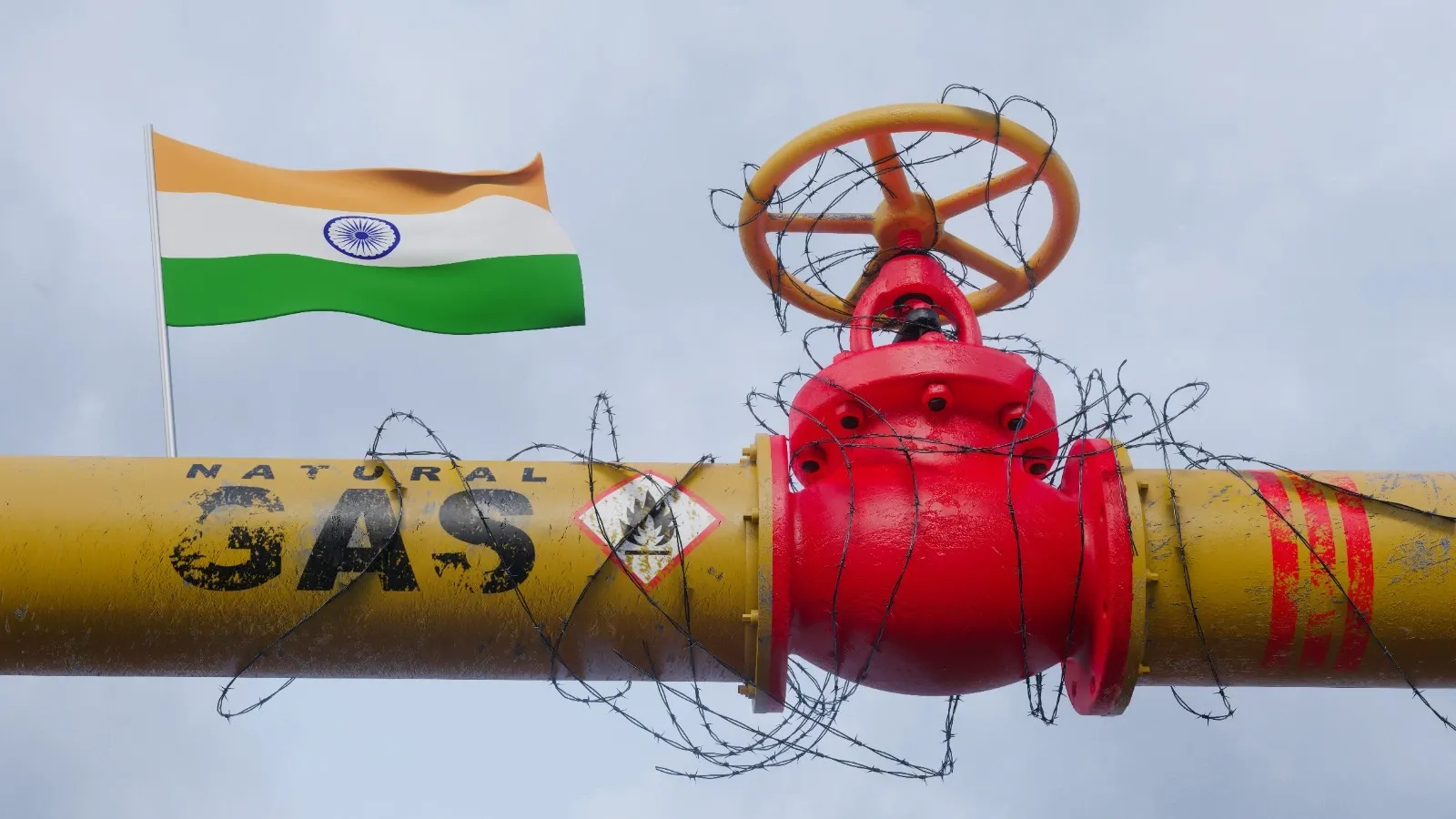
The order said shipments have been disrupted through the Strait of Hormuz, prompting suppliers to invoke force majeure and divert gas to priority sectors. Image: Shutterstock
India’s city gas distribution (CGD) companies may see daily sales volumes fall 8–10% in the near term due to supply disruptions linked to the ongoing Middle East conflict, according to a report by CRISIL Ratings.
However, the companies are expected to protect margins by passing higher costs on to industrial and commercial consumers.
The decline is expected mainly from reduced natural gas availability for piped natural gas supplied to industrial and commercial (PNG I&C) users, which depend heavily on imported liquefied natural gas (LNG), the rating agency said.
“The industry's daily sales volume is expected to decline by 8–10% primarily due to curtailment of natural gas supply to I&C customers,” said Ankit Hakhu, director at CRISIL Ratings.
The city gas distribution sector relies on domestically produced natural gas for about 60% of its requirement, while the remaining 40% is met through imports.
The supply constraints intensified after Qatar declared force majeure on international deliveries following a halt in production at its Ras Laffan facility.
The development has triggered a ripple effect across India’s gas supply chain.
The CGD sector supplies natural gas across three segments: compressed natural gas (CNG) for vehicles, piped natural gas for households, and PNG for industrial and commercial customers (PNG I&C).
CNG for vehicles and PNG for households together account for about 70% of industry sales and are expected to remain largely insulated from the supply crunch because they depend mainly on domestic gas.
The government has also prioritised these segments for gas allocation under the Essential Commodities Act, according to a notification issued on March 9.
On the other hand, PNG for industrial and commercial customers, which contributes about 30% of industry sales, faces the highest risk because it relies heavily on imported LNG.
Indian gas traders are exploring alternative sources to offset reduced LNG supply, but the scope remains limited due to tight global markets, CRISIL said.
Hakhu said most LNG export facilities globally are operating at 90–95% capacity, leaving only 10–20 million tonnes per annum of spare supply to compensate if Qatar’s export volumes of about 77–80 million tonnes per annum remain disrupted for long.
Prices for household PNG are unlikely to see significant changes as supplies for that segment come fully from domestically produced gas under the administered pricing mechanism, currently capped at $6.75 per MMBtu.
CNG supply also relies largely on regulated domestic gas.
CRISIL said the credit profiles of CGD companies should remain stable because of strong balance sheets and adequate liquidity.
“While the impact on operating margins is expected to be limited, the operating cash accruals of CGD players may moderate due to impact on volumes,” said Gauri Gupta, team leader at CRISIL Ratings.
The sector’s debt to EBITDA ratio is expected to remain around 1.0 time this fiscal, supported by several large players being debt-free and by staggered capital expenditure and debt repayments, the agency said.
About The Author
Next Story