Business News
India-US trade talks: What both sides said after 3-day Washington meeting
.png)
3 min read | Updated on April 24, 2026, 11:52 IST


SUMMARY
The Indian delegation led by Darpan Jain engaged with a US team headed by Brendan Lynch to negotiate key issues, including market access for agricultural products.
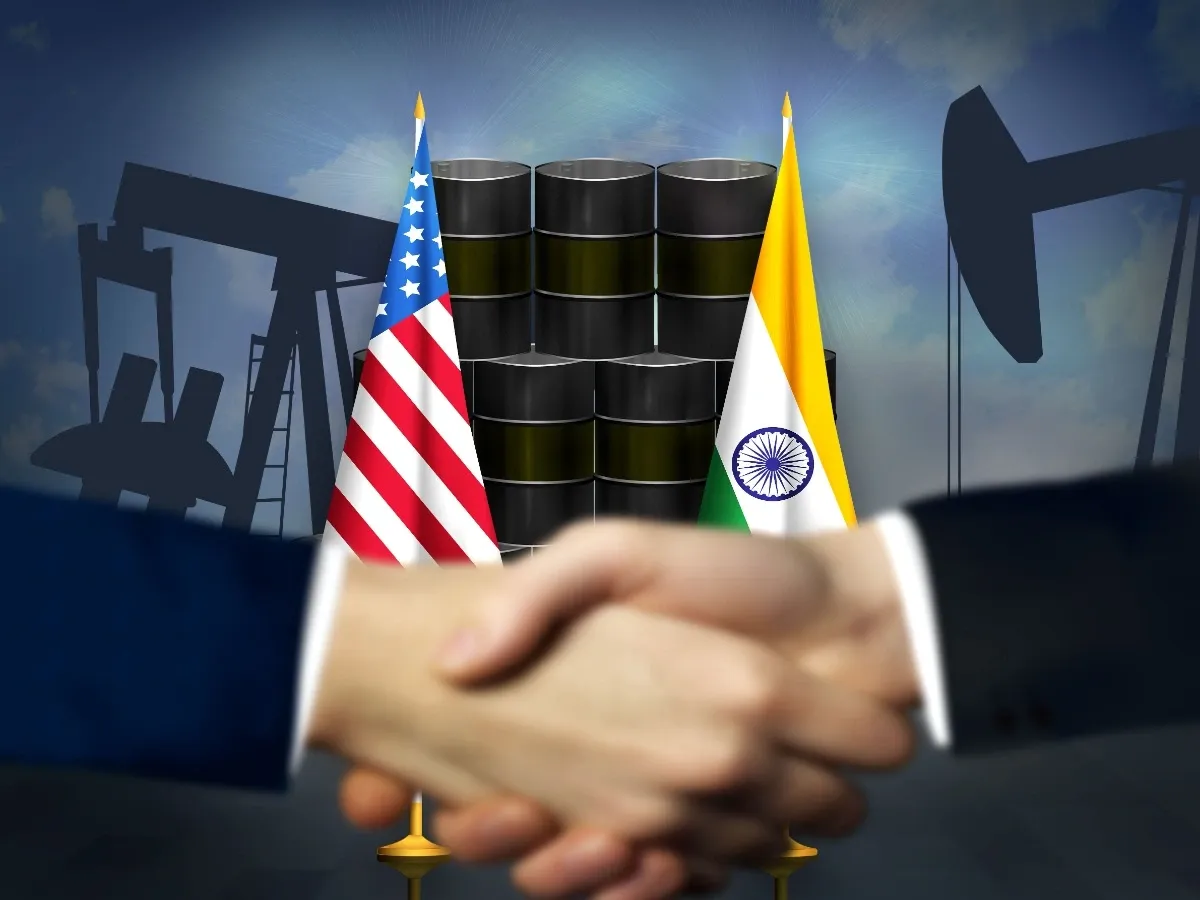
The pact was initially slated for signing in March, but changes in the tariff landscape following a US Supreme Court ruling have altered the situation.
The three-day talks between India and the United States for the proposed first phase of the bilateral trade agreement (BTA) concluded in Washington on Wednesday.
The meetings, held this week, marked the first face-to-face engagement since the two countries announced a framework for the first phase of the deal.
A 12-member Indian delegation led by Additional Secretary in the Department of Commerce Darpan Jain met with a US team headed by Brendan Lynch, assistant US trade representative for South and Central Asia, to work through the details.
U.S. Trade Representative Jamieson Greer told lawmakers in Washington that negotiations were progressing but flagged longstanding sensitivities.
“India is a tough nut to crack... they've protected their agricultural markets for a very long time,” US Trade Representative Jamieson Greer told the Committee on Ways and Means of the US Congress on Wednesday.
"As part of this deal, they want to protect a lot of that. There are things, though, where I think we can find mutual agreement. DDGs (distillers dried grains) is a good example of this,” he said.
Distillers dried grains (DDGs), a byproduct of ethanol production used as high-protein animal feed, have emerged as one of the specific items under discussion, alongside soybean meal and ethanol.
Greer said US negotiators were actively engaging their Indian counterparts on these commodities during the ongoing talks.
“Indian trade negotiators are in town this week. So we've been talking this week about these issues, including these specific commodities you talked about, DDGs," Greer said.
India struck a more upbeat tone, calling the discussions “ongoing and constructive.”
“Both sides are working towards a balanced, mutually beneficial and forward-looking trade agreement, taking into account each other’s concerns and priorities, and to achieve a trade target of $500 billion by 2030,” Ministry of External Affairs (MEA) Spokesperson Randhir Jaiswal said at a weekly media briefing.
The negotiations come amid a changed tariff rate that has complicated earlier assumptions underpinning the deal.
Washington had initially announced it would reduce tariffs on certain Indian goods to 18% from as high as 50%, including removing a 25% duty tied to India’s purchases of Russian oil.
However, a February ruling by the US Supreme Court against tariffs imposed under the 1977 International Emergency Economic Powers Act prompted the administration of Donald Trump to adopt a flat 10% tariff regime for all trading partners.
That move has required both sides to revisit and recalibrate elements of the proposed agreement, officials said.
A planned February meeting between chief negotiators was postponed as a result.
"So the agreement will have to be recalibrated, redrafted," a government source has said, adding, "that amount of change will take place from their side".
“In our case, since the agreement has not been signed, we have the flexibility to revise provisions as required,” the source said.
Earlier this month, Prime Minister Narendra Modi said he had spoken with Trump and reviewed “substantial progress” in bilateral ties.
“Received a call from my friend President Donald Trump. We reviewed the substantial progress achieved in our bilateral cooperation in various sectors. We are committed to further strengthening our Comprehensive Global Strategic Partnership in all areas,” Modi said in a post on X.
About The Author
Next Story