Business News
Govt waives customs duty on key petrochemicals till June 30; check sectors to benefit

3 min read | Updated on April 02, 2026, 10:19 IST


SUMMARY
The government has announced full customs duty exemption on key petrochemical products until June 30, 2026, to mitigate supply disruptions and rising input costs caused by the West Asia conflict.
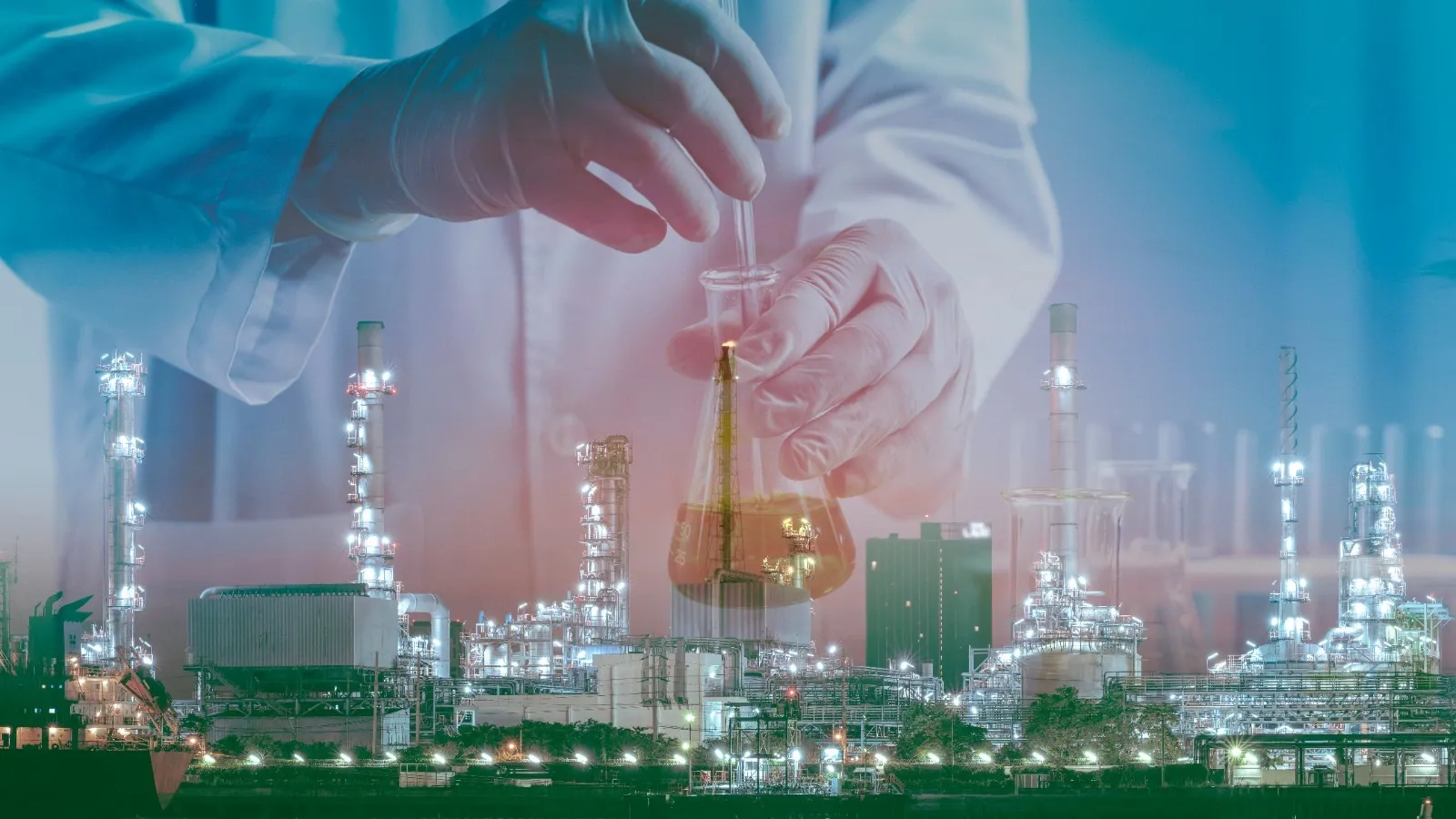
The relief covers essential feedstocks and polymers such as methanol, PVC, polyethylene and PET, benefiting sectors like plastics, textiles, pharmaceuticals and automotive manufacturing. Image: Shutterstock
The government on Thursday announced full customs duty exemption on a range of critical petrochemical products till June 30, 2026, in a bid to cushion domestic industries from supply disruptions arising out of the ongoing conflict in West Asia.
The Finance Ministry said the decision has been taken as a “temporary and targeted relief” to ensure continued availability of critical petrochemical inputs, reduce cost pressures on downstream sectors and maintain supply stability in the country.
“In light of the ongoing conflict in West Asia and the consequent disruptions in global supply chains, the Government of India has decided to provide full Customs Duty exemption on critical petrochemical products till 30th June, 2026,” the ministry said in a statement.
The exemption covers a wide range of petrochemical feedstock and intermediates such as methanol, toluene, styrene, vinyl chloride monomer, monoethylene glycol (MEG), phenol, acetic acid and purified terephthalic acid (PTA), among others.
It also includes several polymers and plastics such as polyethylene, polypropylene, polystyrene, polyvinyl chloride (PVC), acrylonitrile-butadiene-styrene (ABS), polycarbonates and polyethylene terephthalate (PET) chips.
| Description of goods |
|---|
| Anhydrous ammonia |
| Toluene |
| Styrene |
| Dichloromethane (methylene chloride) |
| Vinyl chloride monomer |
| Methanol (methyl alcohol) |
| Isopropyl alcohol |
| Monoethylene Glycol (MEG) |
| Phenol |
| Acetic acid |
| Vinyl acetate monomer |
| Purified Terephthalic Acid (PTA) |
| Ethylenediamine |
| Di Ethanolamine and Mono Ethanolamine |
| Toluene di-isocyanate |
| Ammonium nitrate |
| Linear alkylbenzenes |
| Polymers of ethylene (including Ethylene-vinyl acetate) |
| Polypropylene |
| Polystyrene |
| Styrene-acrylonitrile (SAN) |
| Acrylonitrile-butadiene-styrene (ABS) |
| Polyvinyl Chloride (PVC) |
| Polytetrafluoroethylene |
| Polyvinyl acetate |
| Polyvinyl alcohol |
| Poly (methyl methacrylate) |
| Polyoxymethylene (POM- acetal) |
| Polyols |
| Polyether Ether Ketone (PEEK) |
| Epoxy resins |
| Polycarbonates |
| Alkyd resins |
| Poly ethylene terephthalate (PET) Chips |
| Unsaturated polyester resins |
| Poly butylene terepthalate |
| Formaldehyde, Urea formaldehyde, Melamine formaldehyde, Phenol formaldehyde |
| Polyurethanes |
| Polyphenylene sulphide (PPS) |
| Poly butadiene, Styrene butadiene |
Sectors to benefit
According to the ministry, the move is expected to benefit multiple sectors dependent on petrochemical inputs, including plastics, packaging, textiles, pharmaceuticals, chemicals, automotive components and other manufacturing segments.
“This will also provide relief to consumers of final products,” it said.
The government also notified a detailed list of eligible products, covering key chemicals and polymer categories widely used across industrial value chains.
The step comes amid heightened geopolitical tensions in West Asia that have disrupted global trade flows and pushed up input costs for several industries reliant on imported petrochemical derivatives.
On Wednesday, Prime Minister Narendra Modi chaired a meeting of the Cabinet Committee on Security (CCS) to review measures being taken by various ministries and departments in the backdrop of the ongoing West Asia conflict.
"Reviewed the steps being taken by various Ministries and Departments in the wake of the ongoing West Asia conflict and also discussed the next set of initiatives to be taken. Aspects relating to sectors like energy, agriculture, fertilisers, aviation, shipping and logistics were discussed," PM posted on X.
According to an official statement, the committee reviewed interventions across agriculture, fertilisers, shipping, aviation, logistics and MSMEs to mitigate emerging challenges arising from the conflict.
The Cabinet Secretary briefed the panel on steps taken to ensure adequate availability of petroleum products, particularly LPG and LNG, and sufficient power supply.
About The Author
Next Story