
Business News
From 50% WFH to 'no fuel' rules: Delhi govt notifies fixed winter pollution master plan

4 min read | Updated on July 01, 2026, 17:13 IST


SUMMARY
The Delhi government has notified a permanent Winter Pollution Master Plan under the Environment (Protection) Act, 1986, introducing a fixed set of anti-pollution measures.
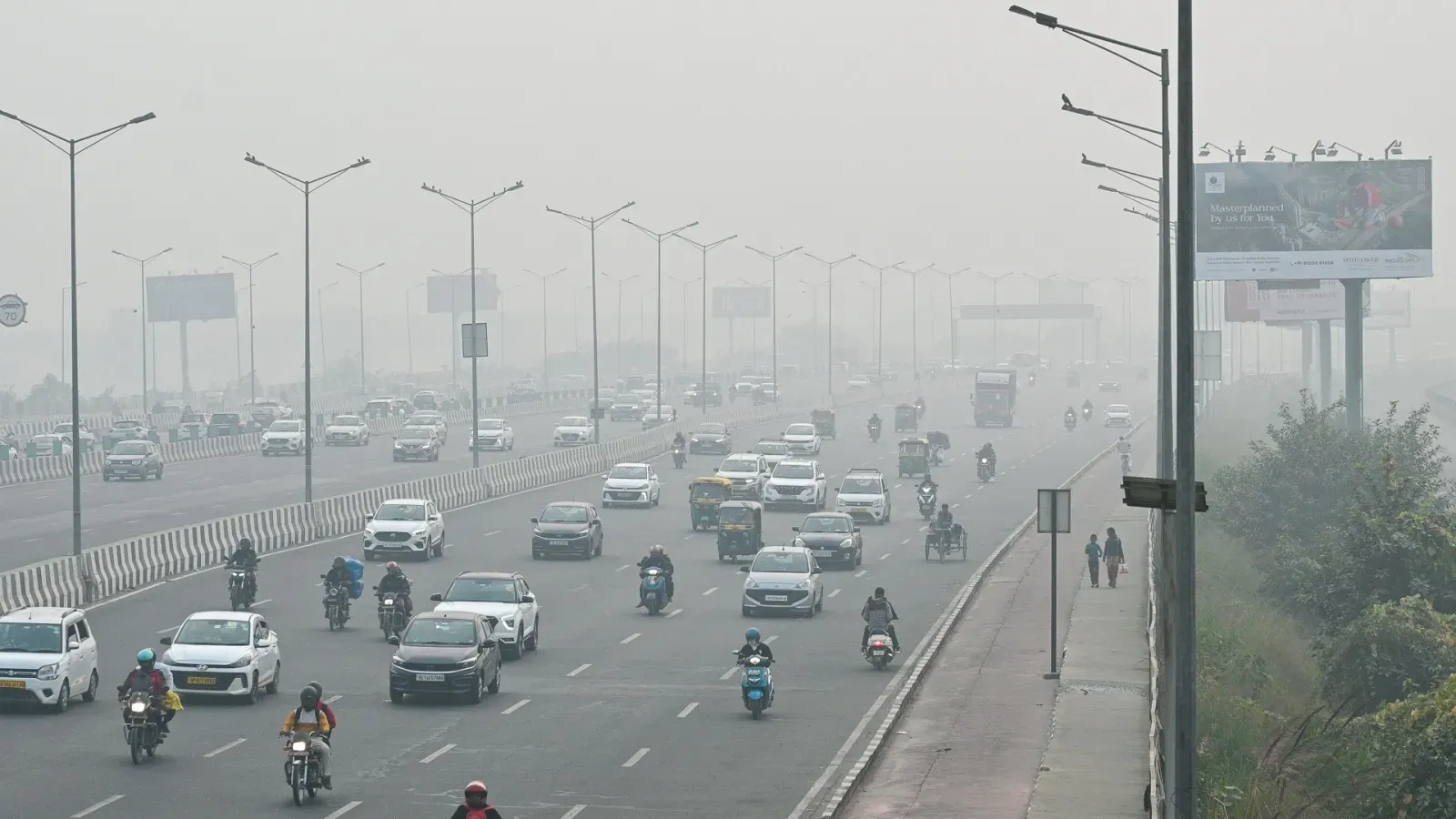
Delhi winter master plan: The measures will automatically take effect every year from November 1 and remain in force until February 28.
The Delhi government on Wednesday notified a permanent Winter Pollution Master Plan that will bring a fixed set of anti-pollution measures into force every year from November 1 to February 28, replacing the practice of issuing separate orders each winter.
The notification, issued under the Environment (Protection) Act, 1986, brings together all major winter pollution-control measures into a single framework. It covers vehicle emissions, construction activities, dust control, open burning and enforcement.
The move comes as the Indian capital continues to battle hazardous air quality during the colder months, when weather conditions trap pollutants close to the ground.
When will the rules apply?
The measures will automatically take effect every year from November 1 and remain in force until February 28.
However, if the Commission for Air Quality Management (CAQM) invokes stricter measures under the Graded Response Action Plan (GRAP), those directions will override the provisions of the master plan.
GRAP is a set of emergency measures implemented in the National Capital Region (NCR) based on the severity of air pollution.
CAQM categorizes adverse air quality into four stages: Stage I (AQI 201–300), Stage II (AQI 301–400), Stage III (AQI 401–450) and Stage IV (AQI >450).
What changes for vehicle owners?
The notification introduces a year-round rule under which petrol pumps and CNG stations can supply fuel only to vehicles carrying a valid Pollution Under Control Certificate (PUCC).
Vehicles found taking fuel without a valid certificate, identified through Automatic Number Plate Recognition (ANPR) cameras or other verification systems, will face penalties.
Oil marketing companies, fuel stations, the transport department, civic bodies and traffic police have been directed to strictly enforce the rule.
The Winter Pollution Master Plan also imposes fresh restrictions on vehicles entering the city during winter.
From November 1 to January 31, vehicles registered outside Delhi that do not meet BS-VI emission standards will not be allowed to enter the city.
The restriction will not apply to electric and CNG vehicles, ambulances, fire tenders, police vehicles and other categories exempted by the Environment Department.
To reduce the number of private vehicles on the road, parking charges at authorised parking lots will be doubled every year from November 1 to February 28.
However, parking facilities run by the Delhi Metro Rail Corporation will remain exempt as they support public transport and park-and-ride services.
Will offices have to reduce attendance?
Yes. Between November 1 and January 31, government and private offices will have to operate with only 50% of employees physically present. The remaining staff will work from home.
The government has also prescribed staggered office timings to reduce peak-hour traffic.
Offices under the Municipal Corporation of Delhi will function from 8.30 am to 5 pm. Delhi government offices will work from 10 am to 6.30 pm.
Hospitals, fire services, public transport, power, water supply, sanitation and other essential services have been kept out of these restrictions.
What are the new rules for construction?
Dust-generating demolition and outdoor construction work will be banned from November 1 to January 31, except for essential public infrastructure projects.
Interior finishing work, plumbing and electrical work inside construction sites will be allowed if dust-control norms are followed.
Dumping construction material outside project sites has been prohibited and violations will attract penalties.
The restrictions will become stricter between December 10 and January 20, with an almost complete ban on construction and demolition work except for emergency and critical government projects.
Vehicles carrying construction material such as sand, cement, bricks and debris will also be barred from entering Delhi during that period, subject to exemptions for national projects and essential services.
Pollution-control equipment for buildings
Commercial high-rise buildings with a built-up area of more than 3,000 square metres, including malls, hotels, office buildings and institutional buildings taller than G+5 floors, have to install anti-smog guns or mist systems by August 15.
The pollution-control equipment must operate throughout the year except during the monsoon and peak summer period from May 1 to September 15.
Construction sites spread over more than 1,000 square metres will also have to install mist systems to suppress dust.
How does the plan deal with open burning?
Resident welfare associations, housing societies, institutions, contractors and government and private establishments will be responsible for ensuring that waste, leaves, biomass, plastic and other materials are not burnt within their premises.
They have also been asked to provide clean heating arrangements wherever required so that workers do not resort to burning waste to keep warm.
The Delhi Pollution Control Committee, Revenue Department and civic bodies have been directed to maintain continuous vigil against open burning. They can use drone-based surveillance, especially during the night, to detect violations.
About The Author
Next Story

