Business News
Donald Trump shrugs off oil surge as war disrupts Middle East supply, calls it 'very small price to pay'
.png)
3 min read | Updated on March 09, 2026, 09:13 IST


SUMMARY
The price of Brent crude jumped above $114 a barrel after the conflict disrupted energy flows from key producers and threatened tanker traffic through the Strait of Hormuz.
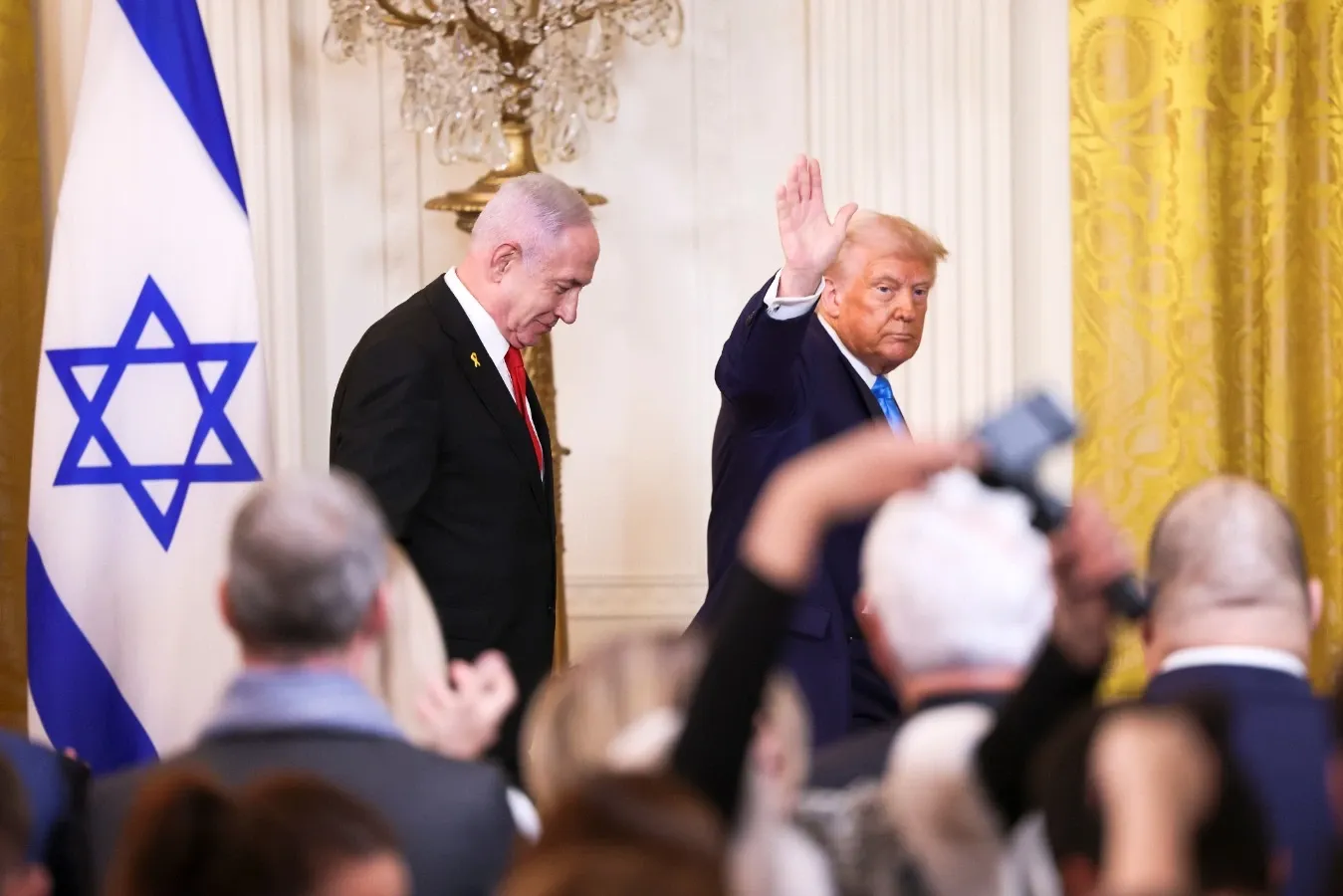
Donald Trump said rising oil prices triggered by the escalating US-Israel conflict with Iran are a “very small price to pay” for safety and peace. Image: Shutterstock
US President Donald Trump on Monday said rising oil prices triggered by the escalating US-Israeli war with Iran were a “very small price to pay” for global security, as crude surged Monday to its highest levels since 2022 amid fears of major supply disruptions in the Middle East.
In a post on his Truth Social platform, Trump wrote that “short term oil prices, which will drop rapidly when the destruction of the Iran nuclear threat is over, is a very small price to pay for U.S.A., and World, Safety and Peace. ONLY FOOLS WOULD THINK DIFFERENTLY!”
Oil prices jumped about 20% as the widening conflict in the Persian Gulf disrupted energy flows from some of the world’s biggest oil producers and threatened shipping through the Strait of Hormuz, a critical chokepoint for global crude supplies.
The price of Brent crude, the international benchmark, surged past $114 a barrel after reopening on the Chicago Mercantile Exchange, about 23% higher than its Friday closing price of $92.69.
US benchmark West Texas Intermediate also climbed to around $114 a barrel, roughly 25% higher than its close Friday at $90.90.
The spike followed production cuts by Iraq and Kuwait and earlier reductions in liquefied natural gas exports from Qatar as the war blocked shipments from parts of the Middle East.
The conflict could leave consumers and businesses worldwide facing weeks or months of higher fuel prices even if the fighting ends soon, as suppliers grapple with damaged infrastructure, disrupted logistics and elevated risks to shipping.
The conflict, now in its second week, has increasingly ensnared countries central to the production and movement of oil and gas from the Persian Gulf.
Roughly 15 million barrels of crude, about 20% of global supply, normally move each day through the Strait of Hormuz.
But the threat of Iranian missile and drone attacks has effectively halted most tanker traffic through the narrow waterway, which borders Iran and carries oil and gas exports from Saudi Arabia, Kuwait, Iraq, Qatar, Bahrain, the United Arab Emirates and Iran.
Iraq, Kuwait and the UAE have cut oil output as storage tanks fill due to limited export capacity.
Oil and gas facilities across the region have also come under attack since the war began, adding to concerns about global supply.
US Treasury Secretary Scott Bessent said the Trump administration is working with major energy producers, consumers and refiners to stabilize global markets.
“The United States is the biggest and most powerful economy in the world. Under @POTUS’ leadership we are working with the world’s largest producers, consumers, and refiners to maintain stability in the world’s energy markets while we eliminate threats to our safety and security,” Bessent wrote on social media.
Last week, the United States allowed Indian refiners to purchase certain Russian oil cargoes for the next 30 days in a temporary waiver.
The Treasury Department said the short-term authorisation would allow the delivery of Russian crude and petroleum products that were already loaded on vessels as of early March 5 and are currently stranded at sea, provided they are delivered to ports in India by early April.
Bessent said the waiver was intended to keep oil flowing into global markets and ease pressure “caused by Iran’s attempt to take global energy hostage.”
About The Author
Next Story