
Business News
Can India sustain a ₹24 lakh crore infra boom? Crisil sees 45–50% jump
.png)
3 min read | Updated on April 22, 2026, 10:24 IST


SUMMARY
Growth will be driven by renewable energy, roads, real estate, data centres, green hydrogen and battery storage, supported by strong domestic demand and government policies, according to Crisil Ratings.
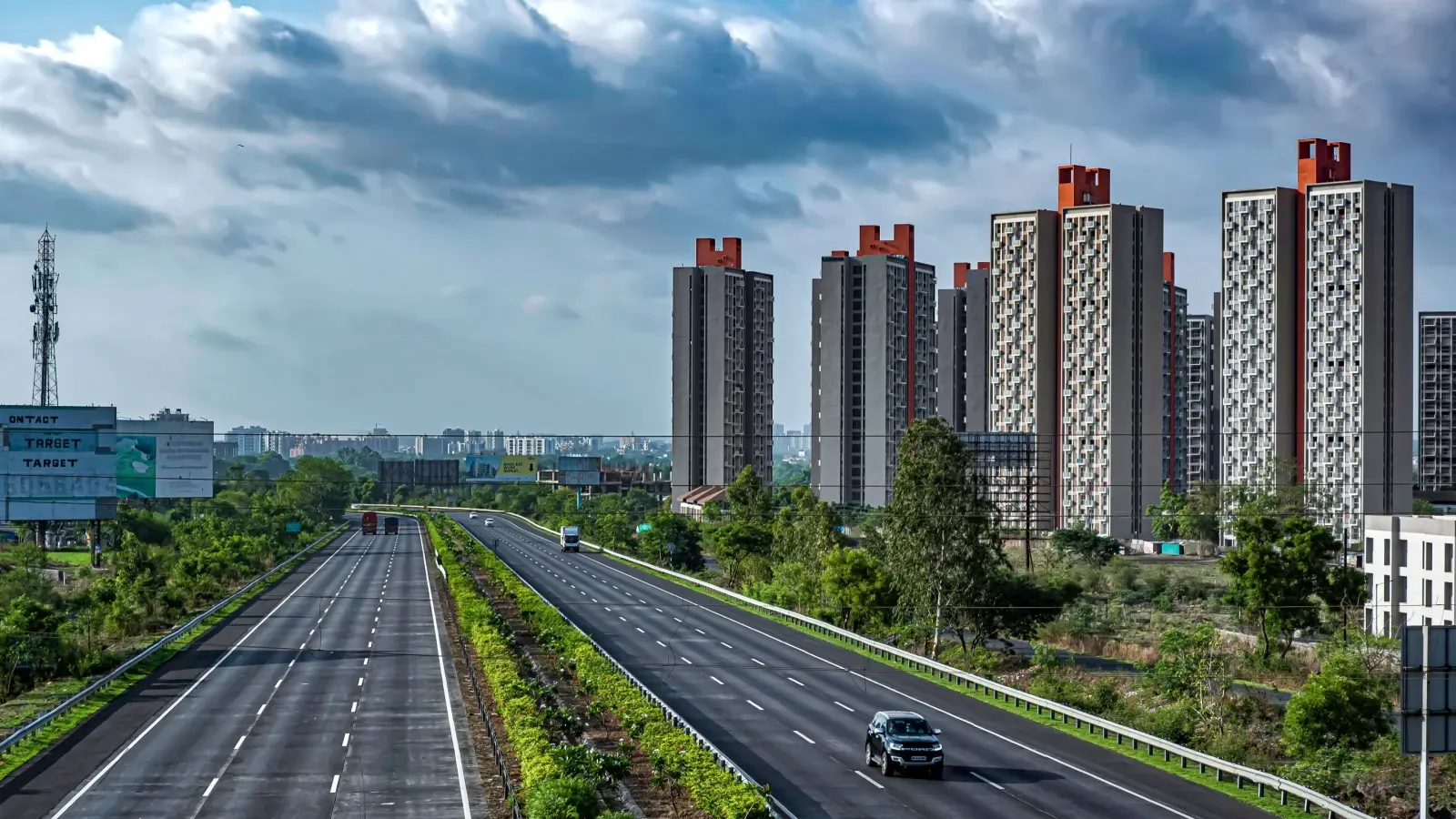
The ratings agency said investments across core infrastructure segments are projected to rise to about ₹23–24 lakh crore over the two fiscals. Image: Shutterstock
Investment in India’s key infrastructure sectors is expected to grow 45–50% through the current and next fiscal years, supported by strong domestic demand and government policy backing, Crisil Ratings said on Tuesday.
The ratings agency said sectors such as renewable energy, roads, real estate and emerging areas like data centres, green hydrogen and battery storage will together drive investments to about ₹23–24 lakh crore over the two fiscals, maintaining the momentum seen over the past two years.
“The key infrastructure sectors… account for around half of India's total infrastructure investments and provide strong support to India’s GDP growth trajectory,” said Krishnan Sitaraman, chief ratings officer at Crisil Ratings.
“While largely insulated from the direct impact of the West Asia conflict, they do face indirect inflationary pressure if the conflict prolongs,” he added.
India’s infrastructure push is being propelled by a mix of clean energy expansion, logistics improvements and digital infrastructure growth, the report said.
Renewable energy will remain a key growth driver, with capacity additions expected at 50–55 gigawatt annually over the two fiscals, backed by a strong project pipeline, policy support for round-the-clock power solutions and rising adoption of rooftop solar.
India’s push towards digitalisation and decarbonisation is also expected to boost investments in new-age segments.
Data centre capacity is projected to grow 35–40% annually through fiscal 2028, driven by rising adoption of artificial intelligence and cloud services.
Green hydrogen and battery storage are also likely to gain traction amid energy transition efforts and evolving policy support.
In the roads sector, a gradual revival in project awarding is expected after a slowdown in recent years, supported by improved budgetary allocations and efforts to ease approval processes.
Asset monetisation is also set to pick up pace, with the National Highways Authority of India estimated to monetise assets worth ₹70,000–80,000 crore.
Residential demand growth may remain flat due to elevated prices, while commercial office space could expand at a steady 6–7% pace, supported by flexible workspaces, BFSI demand and global capability centres.
However, Crisil flagged several risks, including delays in renewable power transmission capacity, slower road project awards, rising residential inventory and weaker IT sector demand for office space.
Emerging sectors such as data centres face pricing pressure, while green hydrogen and battery manufacturing remain dependent on policy support.
“Despite challenges, most players in established sectors are well-positioned to overcome them, given their strong track records and execution capabilities,” said Manish Gupta, deputy chief ratings officer at Crisil Ratings.
The agency said healthy balance sheets, stable cash flows and prudent leverage will support credit profiles across sectors.
About 15–20% of investments are expected to be funded through equity, with mature new-age sectors likely to have better access to capital than nascent ones.
About The Author
Next Story

