
Business News
RBI's early FCNR(B) window closure unlikely to be costly: SBI Research
.png)
5 min read | Updated on August 18, 2026, 10:48 IST


SUMMARY
SBI Research said the RBI’s decision to close the special FCNR(B) deposit window a month early is unlikely to create a significant cost burden and could support the rupee amid global financial and geopolitical risks.
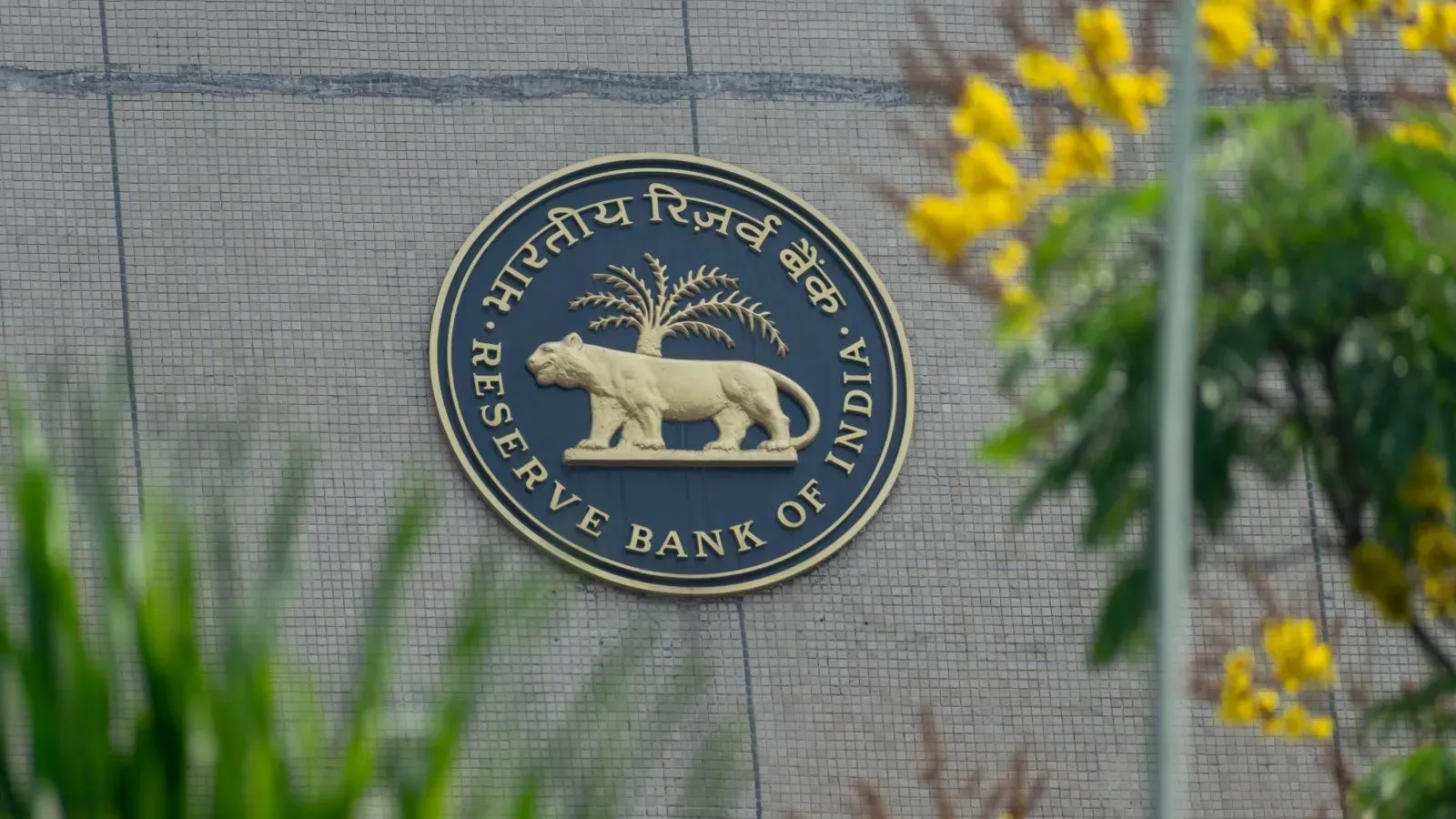
The RBI on August 14 announced that the window for fresh FCNR(B) deposits under its special swap facility would close on August 31.| Image: Shutterstock
The early closure of the special FCNR(B) deposit window is unlikely to pose a major cost burden on the Reserve Bank, SBI Research said, adding that the move could provide support to the rupee amid heightened global financial and geopolitical risks.
The RBI on August 14 announced that the window for fresh FCNR(B) deposits under its special swap facility would close on August 31, a month ahead of the original September 30 deadline.RBI's early FCNR(B) window closure unlikely to be costly: SBI Research
SBI Research said the early closure came as a surprise to market participants, but the most likely reason could be that the mobilisation target had already been achieved.
It estimated total FCNR(B) inflows could reach USD 60-65 billion, while combined inflows including overseas foreign currency bonds (OFCBs) and external commercial borrowings (ECBs) could touch USD 80-85 billion.
"We don't believe that the cost of swap could have been a constraining factor," SBI Research said in its latest Ecowrap report.
Assuming FCNR(B) mobilisation of USD 65-70 billion and an average USD/INR hedging cost of around 3% annually, the annual notional hedging cost would be about USD 2.1 billion on a USD 70-billion corpus.
If the cost remains at 3% over the five-year maturity of the deposits, the cumulative cost would be around USD 10.5 billion, it said.
SBI Research noted that this would amount to only 1.45% of India's current foreign exchange reserves of around USD 700 billion and about 1.27% of a projected reserve stock of USD 800 billion over five years.
"Thus, even under a constant 3% hedging-cost assumption, the notional cost of the FCNR(B) swap remains relatively small compared with the size of the reserve buffer being built," it said.
The research report said the RBI had already recouped USD 31.2 billion of foreign currency assets as of August 7, equivalent to 55% of the amount mobilised.
It suggested the central bank could use part of these funds to invest in US securities, given higher yields.
India's holdings of US securities stood at USD 181 billion in May 2026, down from USD 235 billion a year earlier, it said.
SBI Research said the impact of the FCNR(B) measures on the rupee had so far been "surprisingly minimal".
It pointed to the experience of the 2013 FCNR(B) scheme, when the rupee appreciated from Rs 65.70 per dollar on August 31, 2013 to Rs 62.45 by November 29, a gain of 4.9%, and eventually settled at Rs 59.89, an 8.8% appreciation from the August level.
"In contrast, rupee appreciation currently has been only 0.1% from the opening levels when the FCNR(B) scheme started," the report said.
SBI Research expects the rupee to appreciate to around Rs 95-95.50 per dollar by August 31 and said the currency could strengthen further thereafter if the 2013 experience is used as a guide.
It, however, cautioned that the magnitude of appreciation may differ from 2013 because of the substantially different global and domestic macroeconomic environment.
The report also called for the RBI to consider "activist and surprise intervention strategies" to correct the market perception that the rupee has only a depreciating bias.
SBI Research said a bias towards rupee appreciation would be useful given the possibility of global market upheavals.
It identified three key risks.
First, long-term US Treasury yields have come under pressure following the July FOMC meeting, with the 30-year yield rising to nearly 5.3%, its highest level since 2007.
The rise has come amid concerns over the US fiscal outlook, persistent fiscal deficits and the cost of servicing the country's USD 36 trillion federal debt. The 10-year Treasury yield remains around 4.7%, it said.
Second, SBI Research pointed to the US Treasury's decision to sell euros from its reserves and buy yen after the Japanese currency weakened to around 164 per dollar, its lowest level in four decades.
The intervention pushed the yen towards 156 per dollar before it weakened again towards 159.
The report said Japan's status as the largest foreign holder of US Treasuries, with holdings of more than USD 1 trillion, creates an important link between the yen and US bond markets.
If Japan were to sell US Treasury assets to raise dollars for further yen intervention, it could push Treasury prices lower and yields higher, it said.
SBI Research also drew a parallel with the 1998 Asian financial crisis, when the yen's sharp fall prompted the US Federal Reserve to sell a reported USD 2 billion to halt the decline.
Third, the report warned that Brent crude could rise towards USD 100 a barrel as geopolitical tensions remain elevated and disruptions around the Strait of Hormuz threaten global oil supplies.
Brent crude was around USD 88 a barrel, and a rise beyond USD 100 could put additional pressure on the rupee, it said.
SBI Research also recommended that the RBI continue diversifying its foreign exchange reserves by increasing gold holdings.
The report noted that the RBI purchased 200 tonnes of gold from the IMF in 2009 for around USD 6.7 billion, taking its gold holdings to 557.75 tonnes.
Gold's share in India's reserves has increased in recent years amid geopolitical tensions, inflation risks and uncertainty in global financial markets. It reached 16.70% in FY26 before moderating to 15.38% as of August 7, 2026.
The research house said further diversification could improve the resilience of India's foreign exchange reserve portfolio.
About The Author
Next Story

