
Business News
Know India's forex reserves status amid PM Modi's call to stop gold purchases, adopt fuel-saving measures

3 min read | Updated on May 11, 2026, 09:23 IST


SUMMARY
Prime Minister Narendra Modi has urged citizens to reduce non-essential foreign travel, postpone gold purchases and adopt fuel-saving measures to conserve foreign exchange.
India’s dependence on imported crude oil and gold continues to make both commodities major pressure points for the country’s forex reserves and import bill. Image: Shutterstock
India’s foreign exchange reserves fell by $7.79 billion to $690.69 billion in the week ended May 1, according to the latest data released by the Reserve Bank of India (RBI).
The decline marks one of the sharpest weekly drops in recent months, driven largely by a fall in the value of gold holdings and foreign currency assets.
RBI data showed that foreign currency assets (FCA), the largest component of reserves, stood at $551.83 billion, down by $2.80 billion during the week.
Gold reserves dropped by $5.02 billion to $115.22 billion, reflecting valuation changes due to fluctuations in international bullion prices.
Special Drawing Rights (SDRs) rose by $15 million to $18.79 billion, while India’s reserve position with the International Monetary Fund increased by $8 million to $4.86 billion.
Despite the weekly decline, India’s reserves remain higher by $4.63 billion compared with the same period last year and are largely stable compared with end-March levels.
The latest forex reserve data gains significance amid Prime Minister Narendra Modi’s appeal to postpone overseas vacations and destination weddings, defer gold purchases and revive work-from-home practices to reduce fuel imports and save foreign exchange.
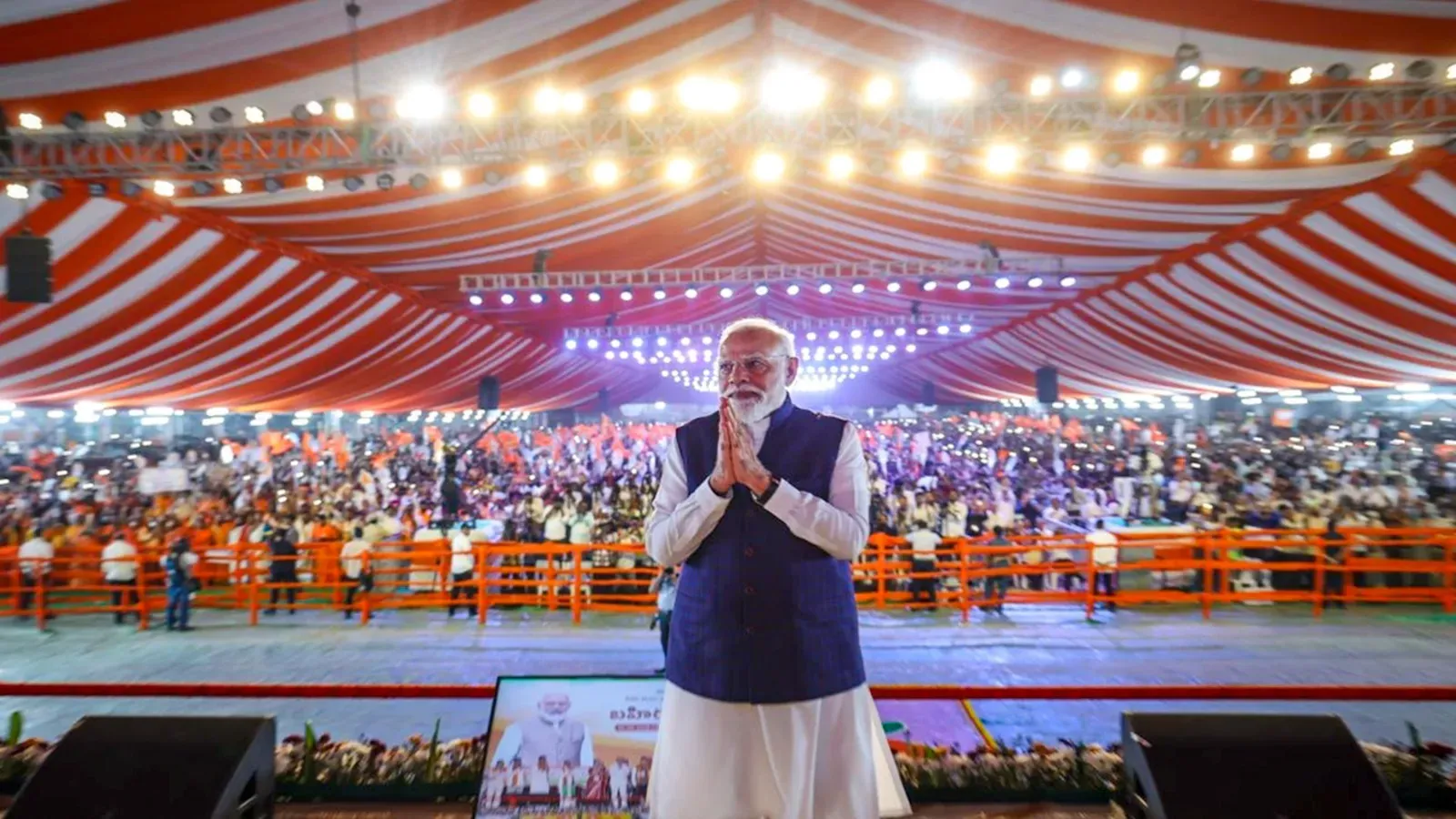
“We should postpone travelling abroad for at least a year,” Modi said at a public meeting in Hyderabad on Sunday, urging citizens to “keep the country above all else” during the ongoing conflict in West Asia.
He also asked people to avoid buying gold during festivals and to use public transport, electric vehicles and carpooling to reduce dependence on imported crude oil.
"Use metros wherever metros are available. Use carpooling to go to places, and use the Railways if you have to transport goods," Modi said. "All of this will reduce dependency on petrol and diesel, and thereby cut the dependence on foreign currency."
India imports more than 85% of its crude oil requirement and is also one of the world’s largest consumers of gold, making both commodities significant contributors to the country’s import bill and pressure points for foreign exchange outflows.
The Prime Minister’s remarks also come as state-owned oil marketing companies — Indian Oil Corporation, Bharat Petroleum Corporation Limited and Hindustan Petroleum Corporation Limited — continue to absorb substantial losses by keeping petrol and diesel prices unchanged despite a sharp rise in global crude prices.
The three companies are incurring combined under-recoveries of ₹1,600-1,700 crore a day, reported PTI, citing two sources with direct knowledge of the matter. Total losses have exceeded ₹1 lakh crore over the period, the report said.
Related News
About The Author
Next Story

