
Business News
US House passes Iran war resolution: What it means and can it really stop Trump?

4 min read | Updated on June 04, 2026, 09:57 IST


SUMMARY
The measure invokes the War Powers Resolution to reassert Congress's authority over military engagements, but its future remains uncertain as it heads to a Republican-controlled Senate.
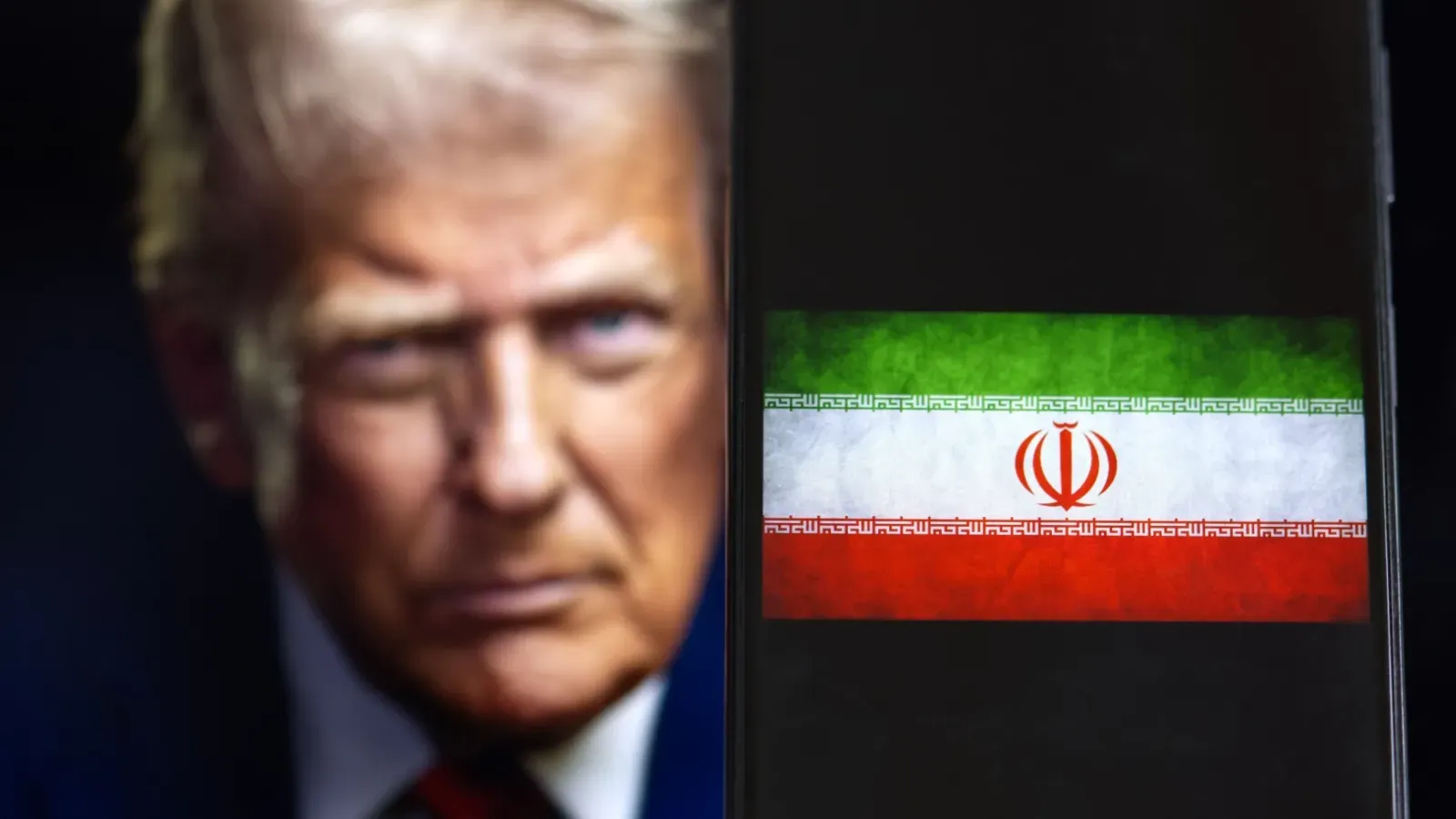
The resolution, introduced by Gregory Meeks, passed 215-208 with support from four Republican lawmakers. Image: Shutterstock
In a major bipartisan rebuke to President Donald Trump's Iran policy, the US House of Representatives on Wednesday approved a war powers resolution directing the President to end military hostilities against Iran.
It was the first time either chamber of Congress has passed such a measure since the conflict began on February 28.
The resolution, introduced by Democratic Congressman Gregory Meeks, was approved by a vote of 215-208, with four Republicans breaking ranks to join Democrats.
Republican Representatives Thomas Massie, Brian Fitzpatrick, Tom Barrett and Warren Davidson voted in favour of the measure.
What the resolution seeks to do
The resolution invokes Section 5(c) of the War Powers Resolution and directs the President to remove US armed forces from hostilities against Iran unless Congress explicitly authorises military action or declares war.
It allows for military action only to defend the United States or its allies from an imminent attack.
"The passage of my War Powers Resolution is a significant bipartisan rebuke of President Trump's illegal and costly war in Iran, and the first step toward ending it once and for all," Meeks said in a statement after the vote.
Meeks argued that the administration had failed to achieve its stated objectives and instead pushed a diplomatic solution to Iran's nuclear program further out of reach.
"Trump's war has failed to accomplish the Trump Administration's stated goals with respect to Iran," he said. "If anything, it has pushed a diplomatic resolution of Iran's nuclear program further away."
Republican resistance weakens
The vote came after House Republican leaders unsuccessfully sought to prevent the measure from reaching passage.
House Speaker Mike Johnson had abruptly shut down floor action two weeks ago when it appeared the resolution had enough support to clear the chamber.
As the conflict has continued, however, support for the resolution grew.
Wednesday's vote followed several previous attempts by Democrats to curb the military campaign.
The most recent effort failed last month in a 212-212 tie.
Each successive vote has drawn additional support as lawmakers from both parties voiced concerns about the costs and consequences of the war.
War fuels debate over presidential powers
Trump had campaigned on reducing US involvement in overseas conflicts and prioritising domestic issues. However, the war with Iran has increasingly dominated his foreign policy agenda and sparked debate within both parties over congressional war powers.
Massie, who has repeatedly criticised the administration for conducting military operations without congressional authorisation, said Americans were increasingly weary of the conflict.
"People are tired of this," Massie said after the vote. "They're tired of $5 gallon gas and $6 gallon diesel, and fertilizer we can't afford to put on our fields in Kentucky."
He added that the vote "sends a good message that the people's House, which represents the people, is tired of this war."
Barrett pointed to frustrations among voters dealing with the economic fallout from the conflict.
"I think that people are frustrated, certainly," he said when asked about the impact the war was having on constituents.
Fitzpatrick framed his support as a matter of congressional responsibility under existing law.
"There's a law on the books," he said, referring to the War Powers Act. "I don't see what's complicated about it. Bring it to Congress, debate it on the merits, and have this vote. That's the way the system is supposed to work."
Senate hurdles remain
The measure now faces an uncertain future in the Senate, where Republicans hold a majority.
“Now the Senate must take up this measure and make clear to the President that enough is enough: if he won’t clean up his own mess, Congress will,” Meeks said.
Last month, a Senate war powers resolution advanced after several Republicans broke with Trump in a rare display of opposition to the president's foreign policy. But subsequent procedural votes are expected to face steeper odds, particularly if all senators are present.
Questions over legal impact
Even if the Senate were to approve the resolution, questions remain about its practical effect.
The measure is a concurrent resolution, meaning it must pass both chambers in identical form but does not go to the president for signature.
According to Senate website, concurrent resolutions generally "do not have the force of law" and are often used to establish congressional procedures or "express the sentiments of both of the houses."
House Democrats, on the other hand, argue the resolution would be binding under the War Powers Resolution
A Democratic aide involved in the effort said legal questions about enforcement would likely be settled if the resolution ultimately cleared Congress, reported CNN.
About The Author
Next Story

