
Personal Finance News
Super senior citizen income tax slabs, rates and benefits ahead of Budget 2026: Check list
.png)
4 min read | Updated on January 26, 2026, 17:17 IST


SUMMARY
Super senior citizens are not required to file an ITR if their source of income is only pension and bank/post office deposits. For this, they need to submit a declaration to the bank in Form 12BBA. Check other details

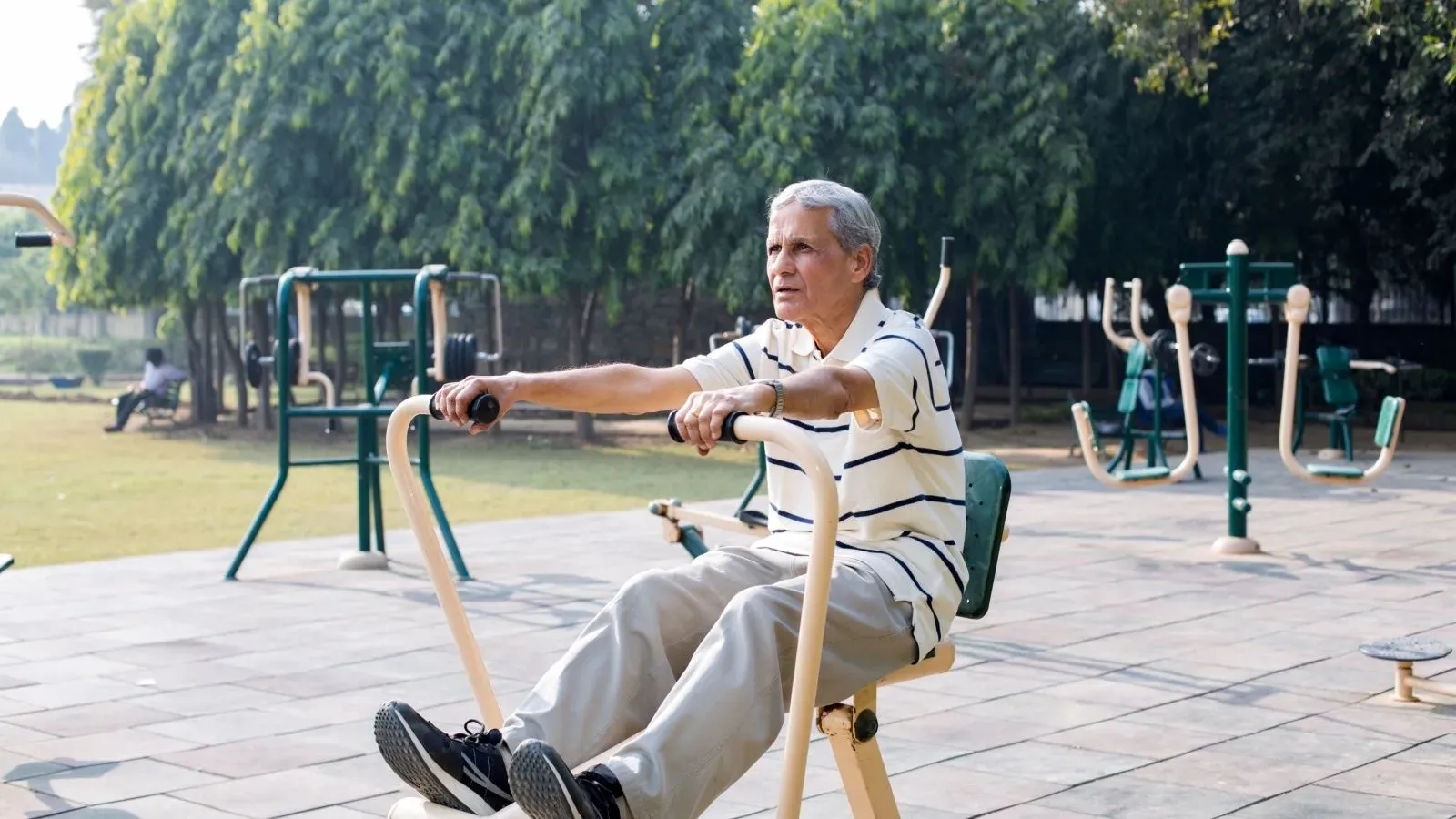
All tax benefits available to non-senior citizens are extended to super senior citizens. | Image source; Shutterstock
An individual resident aged 80 years or above is considered a super senior citizen under income-tax laws. Under the current rules, several benefits are available to super senior citizens that are not extended to senior citizens and other taxpayers.
Ahead of Budget 2026, this article highlights the income-tax slabs & rates, and other tax benefits currently available to senior citizens under both the new tax regime and the old tax regime.
Super senior citizen tax slabs: Old regime
| Income slab | Rate of tax |
|---|---|
| Up to ₹5 lakh | Nil |
| ₹5 lakh to ₹10 lakh | 20% |
| Above ₹10 lakh | 30% |
Super senior citizen tax slabs: new regime
| Income slab | Rate of tax |
|---|---|
| Up to ₹4 lakh | Nil |
| ₹4–8 lakh | 5% |
| ₹8–12 lakh | 10% |
| ₹12–16 lakh | 15% |
| ₹16–20 lakh | 20% |
| ₹20–24 lakh | 25% |
| Above ₹24 lakh | 30% |
List of other tax benefits for super senior citizens
All tax benefits available to non-senior citizens are extended to super senior citizens. Apart from this, they also enjoy the following tax benefits:
-
Basic exemption limit for super senior citizens is ₹5 lakh under the old regime and ₹4 lakh under the new regime.
-
Super senior citizens are not required to pay the advance tax if they do not have any income under the head "Profits and gains of Business or Profession."
-
Super senior citizens can claim a standard deduction of ₹75,000 under the new tax regime if they are receiving pension income. The standard deduction limit under the old tax regime is ₹50,000.
-
Under Section 80D, a deduction of up to ₹50,000 on health insurance premium is allowed. But this deduction can be claimed only under the old tax regime.
-
Under the old tax regime, a super senior citizen taxpayer can avail a deduction of up to ₹1 lakh in respect of self-medical treatment for specified diseases or ailments.
-
Under the old tax regime, an individual or HUF taxpayer can avail a deduction up to ₹1 lakh in respect of treatment of a super senior citizen for specified disease or ailments, provided such super senior citizen is dependent on an individual or a member of HUF.
-
Under Section 80TTB, a super senior citizen can claim a deduction of up to ₹50,000 in respect of interest income earned on savings bank accounts, bank deposits or any deposits with post office or cooperative banks. However, this deduction is available only under the old regime. If such interest income is less than ₹50,000 in a year, then the bank/post office will not deduct any tax from it.
A super senior citizen can use the paper mode of filing for submitting ITR-1 and ITR-4 forms, if their income is above ₹5 lakh or they have a refund claim. E-filing is not mandatory for them. However, they may opt for e-filing also.
A super citizen with 'Nil' estimated tax liability can submit Form 15H in the bank/post office for non-deduction of tax at source.
Super senior citizens do not have to pay tax on capital gains from the transfer of a residential property under the reverse mortgage scheme.
Super senior citizens are not required to file an ITR if their source of income is only pension and bank/post office deposits. For this, they need to submit a declaration to the bank in Form 12BBA.
Related News
About The Author
Next Story



