
Personal Finance News
Old tax regime switch eased for stock traders, freelancers; Form 10‑IEA not required in draft rules

4 min read | Updated on February 20, 2026, 13:41 IST


SUMMARY
The draft Income-tax Rules 2026 have done away with the requirement of mandatory filing of Form 10-EA for switching from the new to the old regime or vice versa.

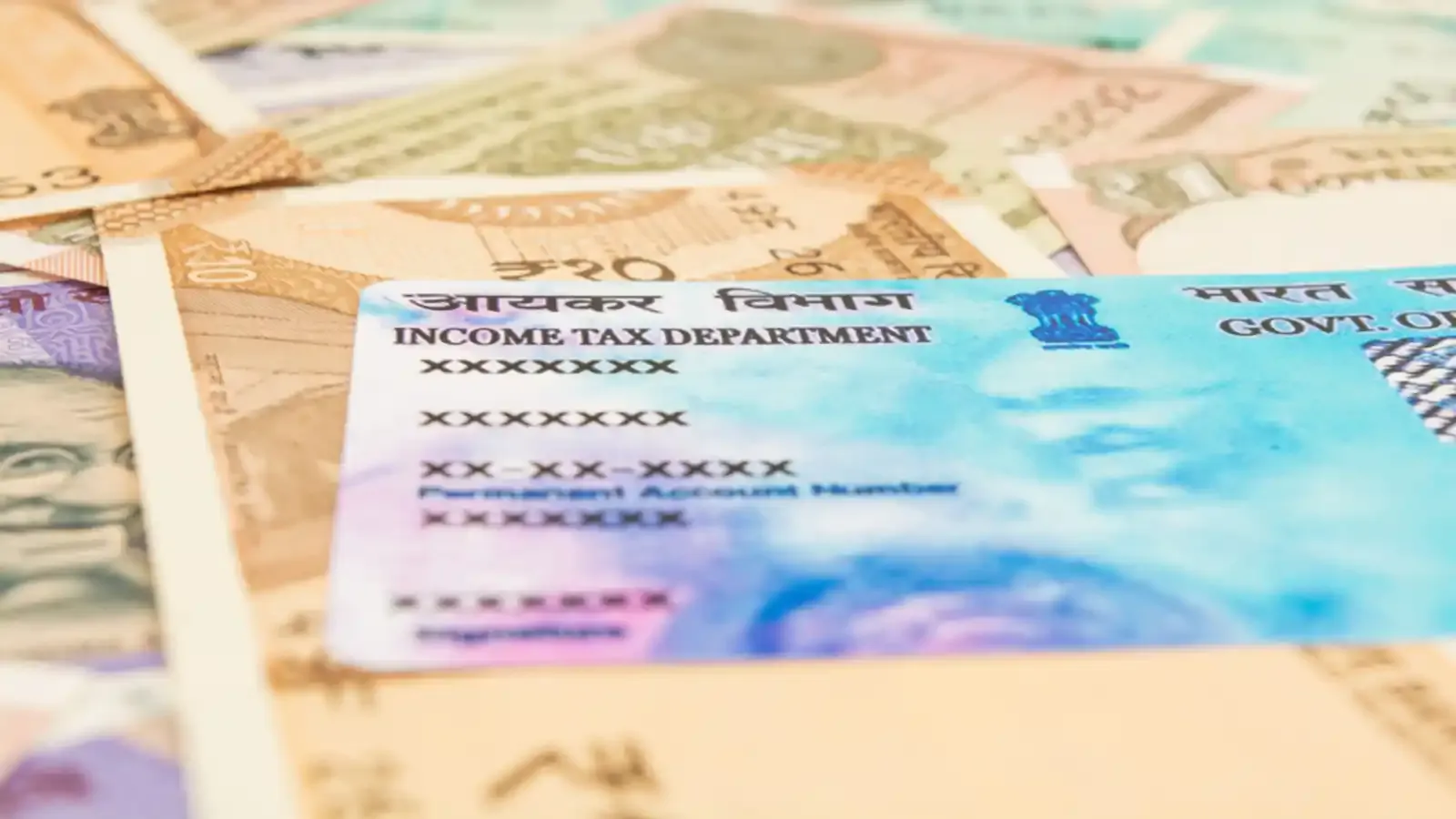
The Draft Rules propose to remove the requirement of filing a separate form. | Image source: Shutterstock
This article explains what the draft rules have proposed to simplify.
Before reading further, please note that the draft rules are currently not applicable. They are likely to become effective after final approval from April 1, 2026. However, they may see some changes before the final implementation.
| Existing rule | Proposed rule |
|---|---|
| Form 10‑IEA required for switching (for business/professional income). | No Form 10‑IEA needed; option chosen directly in ITR. |
| Switching must be done before due date using Form 10‑IEA. | Switching done within the return under Rule 136. |
| Non‑business taxpayers switch directly in ITR. | No change. |
Existing rule
Under Income-tax Rules 1962, taxpayers with business or professional income are required to file Form 10-IEA before the due date to switch their tax regime from the new to old or even when they want to re-enter the new scheme.
With effect from AY 2024-25, the new tax regime is the default regime. If you do not specify your intent to choose the old regime, then the income tax is payable as per the new regime.
Taxpayers without any business or professional income are allowed to opt out of the new tax regime directly at the time of filing income-tax returns.
However, taxpayers having income from business and profession, including individuals and HUFs, are required to file Form 10 IEA electronically under Rule 21AG of Income-tax Rules, 1962, to opt for the old tax regime. They must submit Form 10-IEA before the due date for switching from the new tax regime to the old, or from the old tax regime to the new.
Proposed rule
The draft Income-tax Rules 2026 have done away with the requirement of mandatory filing of Form 10-IEA for switching from the new to the old regime or vice versa.
"The Draft Rules propose to remove the requirement of filing a separate form to claim concessional tax rates under the new tax regime. Instead, taxpayers can simply choose or withdraw this option directly while filing their return of income," RSM India, a tax and accounting firm, said in a news flash.
Under Rule 136 of the draft rules, the provision for exercising or withdrawing the option for the new tax regime is available. It does not mandate filing any Form 10-IEA for this purpose.
However, the following categories of taxpayers are required to exercise the following option.
The draft rules say: "The option to be exercised or withdrawn under the provisions specified in column B of the table below, by a person specified in column C, for any tax year shall be in the return of income to be furnished under section 263(1) for such tax year."
| Provision of the Income-tax Act 2025 | Eligible person |
|---|---|
| 199(3) | Manufacturing domestic company |
| 200(5) | Domestic company |
| 201(2) | New manufacturing domestic company |
| 202(4) | Individual or Hindu undivided family, or an association of persons (other than a co‑operative society) or a body of individuals, whether incorporated or not, or an artificial juridical person |
| 203(5) | Resident co‑operative society |
| 204(2) | New manufacturing co‑operative society |

Related News


About The Author
Next Story



