
Personal Finance News
No tax on voluntary retirement funds under new draft rules; check conditions

3 min read | Updated on February 18, 2026, 19:12 IST


SUMMARY
The deduction for the amount received after voluntary retirement will be allowed only if the scheme of voluntary retirement framed by the authorised employer is in accordance with the prescribed requirements:
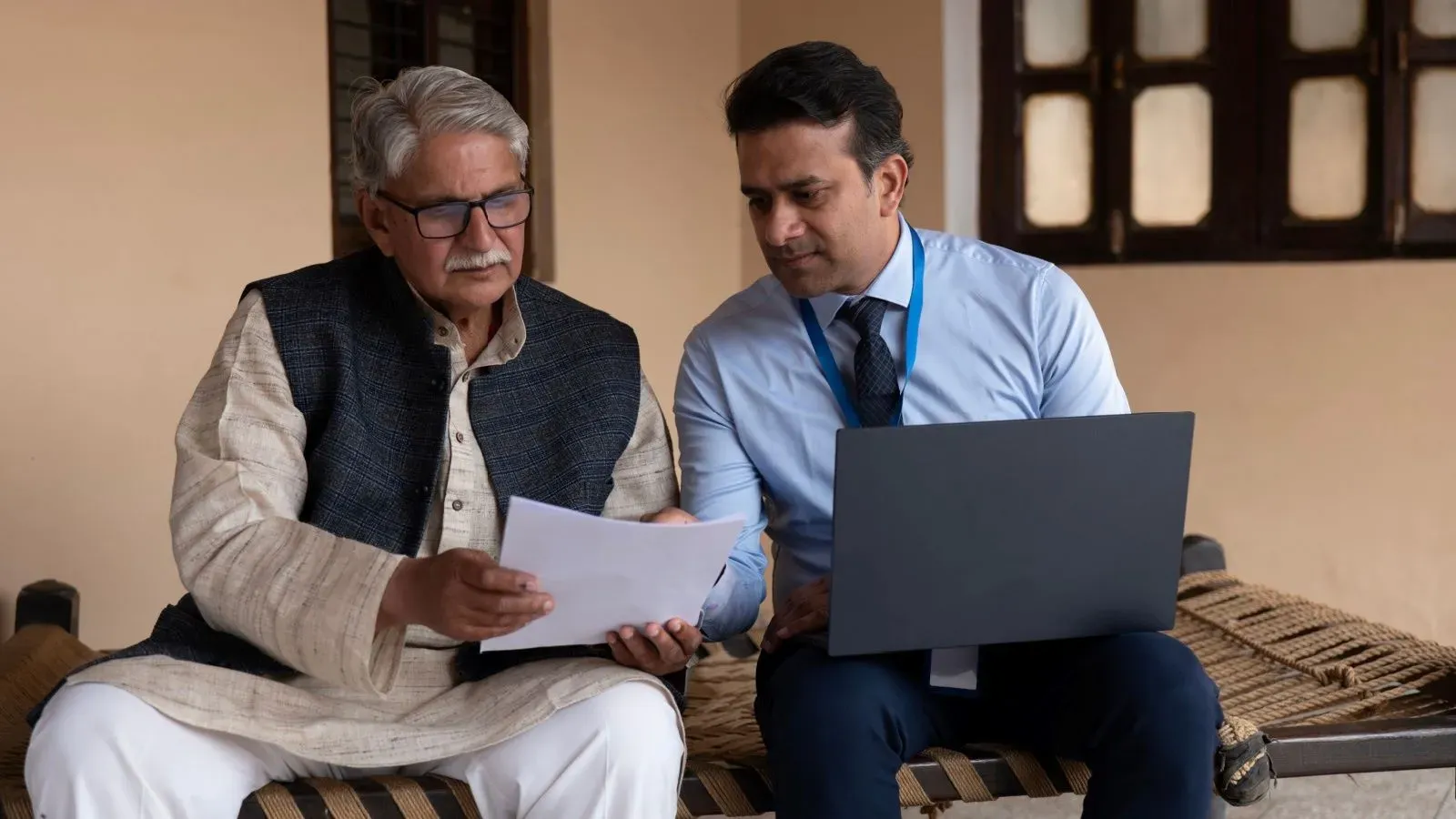
Voluntary retirement funds are tax-free in certain conditions under draft income-tax rules. | Representational image source: Shutterstock
The amount received at the time of voluntary retirement or voluntary separation can be claimed as a deduction by certain employees, according to Rule 20 of the draft Income-tax Rules 2026.
As per the draft rules, the following will be eligible for this deduction.
Employees of
-
a public sector company; or
-
any other company; or
-
an authority established under a Central, State or Provincial Act; or
-
a local authority; or
-
a co-operative society; or
-
a University established or incorporated by or under a Central, State or Provincial Act and an institution declared to be a University under section 3 of the University Grants Commission Act, 1956 (3 of 1956); or
-
an Indian Institute of Technology within the meaning of clause (g) of section 3 of the Institutes of Technology Act, 1961 (59 of 1961); or
-
an institution, having importance throughout India or in any State or States, as the Central Government may, by notification in the Official Gazette, specify in this behalf; or
-
such institute of management as the Central Government may, by notification in the Official Gazette, specify in this behalf; and
The deduction for the amount received after voluntary retirement will be allowed only if the scheme of voluntary retirement framed by the authorised employer is in accordance with the following requirements:
-
The scheme applies to an employee who has completed 10 years of service or completed 40 years of age;
-
The scheme applies to all employees, including workers and executives of a company or of an authority or of a co-operative society, as the case may be, excepting directors of a company or of a co-operative society;
-
The scheme has been drawn to result in overall reduction in the existing strength of the employees;
-
The vacancy caused by the voluntary retirement or voluntary separation is not to be filled up;
-
The retiring employee of a company shall not be employed in another company or concern belonging to the same management;
What should be the voluntary retirement amount?
As per the proposed Rule 20, the amount receivable on account of voluntary retirement or voluntary separation of the employee should not exceed either A or B, where:
A= 3 x N x S
B = M x S
N= Number of completed years of service;
M = Balance months of service left before the date of his retirement on superannuation;
S= Salary at the time of retirement.
In case an amount is received by an employee of a public sector company under the scheme of voluntary separation framed by such public sector company, the above requirement would not be applicable.
For calculating salary, dearness allowance can be included if the terms of employment so provide. However, all other allowances and perquisites would be considered as "salary"
Related News


About The Author
Next Story



