
Personal Finance News
New cash deposit & withdrawal rules: When is PAN needed? Draft Income Tax Rules explain

3 min read | Updated on February 19, 2026, 16:28 IST


SUMMARY
Currently, any cash deposit exceeding ₹50,000 in a single day requires a PAN, a restriction many found cumbersome for routine banking. The draft rules, however, mark a shift in approach.
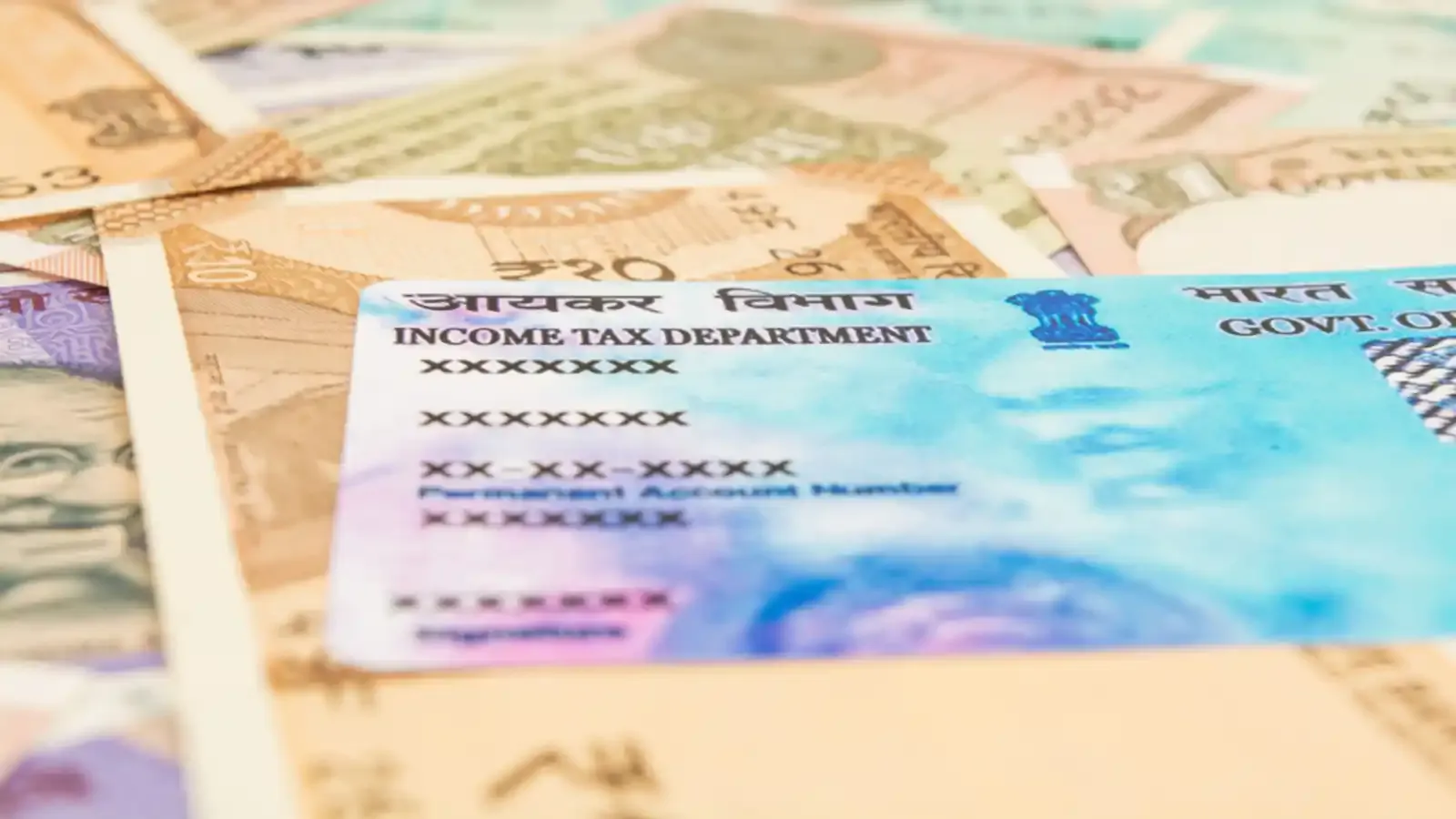
The rules are expected to take effect from April 1, 2026, providing ordinary taxpayers with more flexibility in cash transactions. | Image: Shutterstock.
Currently, any cash deposit exceeding ₹50,000 in a single day requires a PAN, a restriction many found cumbersome for routine banking. The draft rules, however, mark a shift in approach.
Cash deposit: What do the tax draft rules say?
Under Rule 159 of the Draft Income Tax Rules 2026, the government states: “Every person shall quote his Permanent Account Number in all documents pertaining to the transactions specified… Cash deposits aggregating to ₹10 lakh or more in a financial year, in one or more accounts of a person.”
Cash withdrawal: What do the tax draft rules say?
The same threshold applies to withdrawals: “Withdrawal with a banking company or a co-operative bank… or Post Office shall require PAN where aggregate withdrawals reach ₹10 lakh or more in a financial year.”
This effectively means that day-to-day cash activity under ₹10 lakh annually will no longer trigger PAN reporting. Experts say this offers relief from the previous daily limits, while giving the tax department a clearer picture of high-value cash movement.
"However, if the amount crosses ₹10 lakh, PAN will still be required, and large transactions will continue to be monitored. So yes, it offers some procedural relief, but it does not remove tax compliance for high-value transactions," said Abhishek Soni, CEO & Co-founder, Tax2win.
"Earlier, PAN quoting requirements applied at relatively low transaction values. These lower thresholds often resulted in widespread reporting, even for ordinary personal or business transactions, increasing documentation and compliance burdens without necessarily improving tax intelligence. The revised limits seek to rationalise this approach by focusing on aggregated or higher-value transactions that are more indicative of significant economic activity," said Aditya Bhattacharya, Partner, King Stubb & Kasiva, Advocates and Attorneys.
From a taxpayer’s perspective, the immediate impact is a reduction in procedural compliance for day-to-day transactions. Small and mid-value purchases that earlier required PAN disclosure may now fall outside the reporting net, offering greater convenience, particularly to individuals and small businesses.
"Taxpayers should, however, remain cautious and proactive. The revised thresholds do not dilute the obligation to maintain accurate records or comply with other provisions such as TDS, TCS, or reporting under specified financial transactions. It is also critical to ensure that PAN remains valid and operative, including Aadhaar linkage, as non-compliance on this front can have broader tax consequences," said Aditya Bhattacharya.
The rules are expected to take effect from April 1, 2026, providing ordinary taxpayers with more flexibility in cash transactions.
Related News





About The Author
Next Story



