
Personal Finance News
Two NIFTY50 index funds can post very different returns. Here’s the one metric that explains why

5 min read | Updated on February 23, 2026, 15:08 IST


SUMMARY
The key metric that explains this divergence is tracking error. It measures how consistently an index fund follows its benchmark. In simple terms, it is simply the gap between the index return and the fund return.
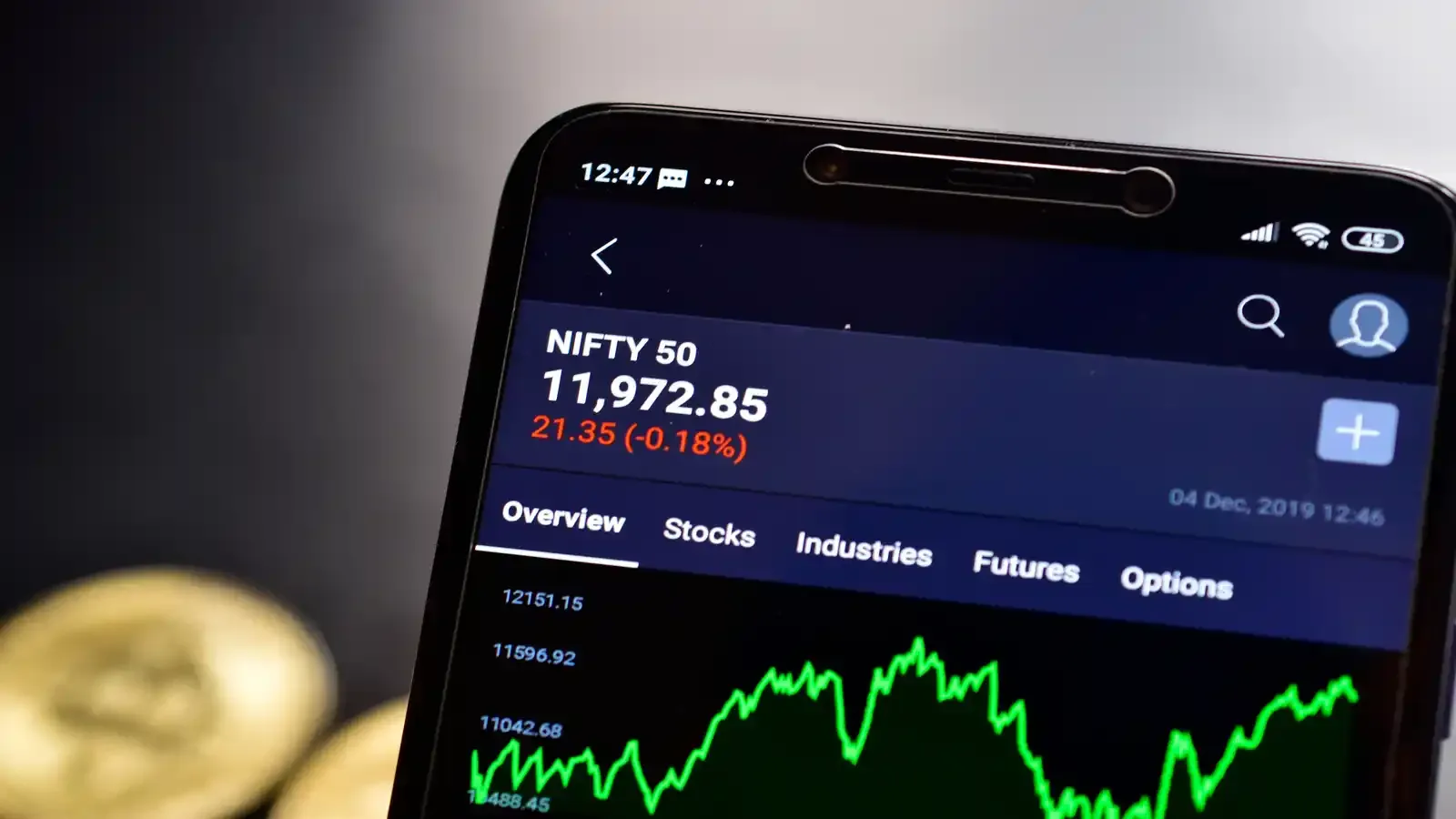
Tracking error measures how consistently an index fund follows its benchmark. | Image: Shutterstock.
Two index funds tracking the same benchmark are expected to deliver nearly identical returns. After all, both aim to replicate the performance of India’s top 50 listed companies.
Yet, in reality, their returns often vary. Over one year, the gap may appear small, but over a three to five-year period, the difference can compound into a meaningful shortfall. The key metric that explains this divergence is tracking error.
An index fund is basically a passive fund and not meant to beat the market. Its purpose is to replicate its benchmark as closely as possible. In practice, no fund can perfectly replicate the index at all times.
In this article, we will take the example of the NIFTY50 index funds.
What is tracking error?
Tracking error measures how consistently an index fund follows its benchmark. In simple terms, it is simply the gap between the index return and the fund return.
If the NIFTY50 delivers 12% in a year and an index fund delivers 11.4%, the tracking difference is 0.6%. But tracking error goes a step further; it captures how much this difference fluctuates over time.
Why does tracking error happen
-
Expense ratio: Fees reduce returns directly.
-
Cash drag: Funds keep some cash for redemptions, which may not earn index-level returns.
-
Rebalancing impact cost: Buying and selling stocks during index changes can create slippage.
Abhishek Bisen, Head-Fixed Income, Kotak Mahindra AMC explains the reasons behind the tracking error.
-
Tracking error arises when a fund’s portfolio is not an exact mirror image of the Nifty 50 due to cash positions, timing differences in buying or selling stocks, or slight deviations during rebalancing.
-
Market volatility further amplifies these differences, especially when the fund receives large inflows or outflows; the manager may need to execute trades quickly, often at prices impacted by liquidity or market depth, leading to what is known as impact cost.
-
Additionally, each index fund has its own expense ratio, and even a small variation in cost affects net returns. Some funds also use full replication, while others may follow a sampling approach, causing temporary divergence from the index. Finally, the timing of index changes and how promptly each fund implements them can create short-term variations.
"Some factors may create this gap, like expenses charged by the fund, cash kept for redemptions or timing of dividend reinvestment, and delays during portfolio rebalancing. Individually, they appear minor, but over the years, they compound into noticeable differences in wealth and may widen or reduce the difference," said Shweta Shastri, certified Financial Planner.
| Scheme | 3Y (Fund) | 3Y (Benchmark) | 5Y (Fund) | 5Y (Benchmark) |
|---|---|---|---|---|
| HDFC Nifty 50 Index Fund – Reg (G) | 13.57% | 14.04% | 12.11% | 12.60% |
| ICICI Pru Nifty 50 Index Fund – Reg (G) | 13.55% | 14.04% | 12.08% | 12.60% |
| Nippon India Index Fund – Nifty 50 Plan (G) | 13.39% | 14.04% | 11.73% | 12.60% |
( Source: ACE MF data)
Over 5 years, the returns were 12.11%, 12.08%, and 11.73%, compared to the benchmark of 12.60%. Although these differences seem small, they can compound significantly over time, highlighting how minor tracking gaps and costs can subtly impact your portfolio’s growth.
Over 5 years, the same investment would have grown to approximately ₹17.03 lakh, ₹17.01 lakh, and ₹16.78 lakh in the three funds, respectively, versus the benchmark of ₹17.20 lakh.
| Scheme | 3Y (Fund) | 3Y (Benchmark) | 5Y (Fund) | 5Y (Benchmark) |
|---|---|---|---|---|
| HDFC Nifty 50 Index Fund – Reg (G) | ₹14.65 | ₹14.83 | ₹17.71 | ₹18.10 |
| ICICI Pru Nifty 50 Index Fund – Reg (G) | ₹14.64 | ₹14.83 | ₹17.69 | ₹18.10 |
| Nippon India Index Fund – Nifty 50 Plan (G) | ₹14.58 | ₹14.83 | ₹17.41 | ₹18.10 |
These numbers highlight how tracking error and fund costs can subtly impact overall portfolio growth.
"One major factor that can actually differentiate the returns of any index funds are total expense ratio (TER). Expense ratio is the basic percentage that the fund charges for managing & operating the fund. Like when we compare two NIFTY 50 Index Funds, then the fund with lower TER will tend to have slightly higher returns (assuming tracking error is the same for both the funds)," said Ronak Morjaria, Partner at ValueCurve Financial Services.
Tracking error vs tracking difference
Investors often mix up tracking difference and tracking error, but they are not the same. Tracking difference is simply the average gap between a fund’s return and its benchmark index return, while tracking error measures how consistently that gap occurs over time
Two funds tracking the same index may look identical on paper, but tracking error is the quiet factor that can decide which one builds more wealth over the long run.
Related News


About The Author
Next Story



