
Personal Finance News
Fund manager insights: Harsh Agarwal of 360 ONE Asset explains SIF lessons for retail investors

4 min read | Updated on April 06, 2026, 17:20 IST


SUMMARY
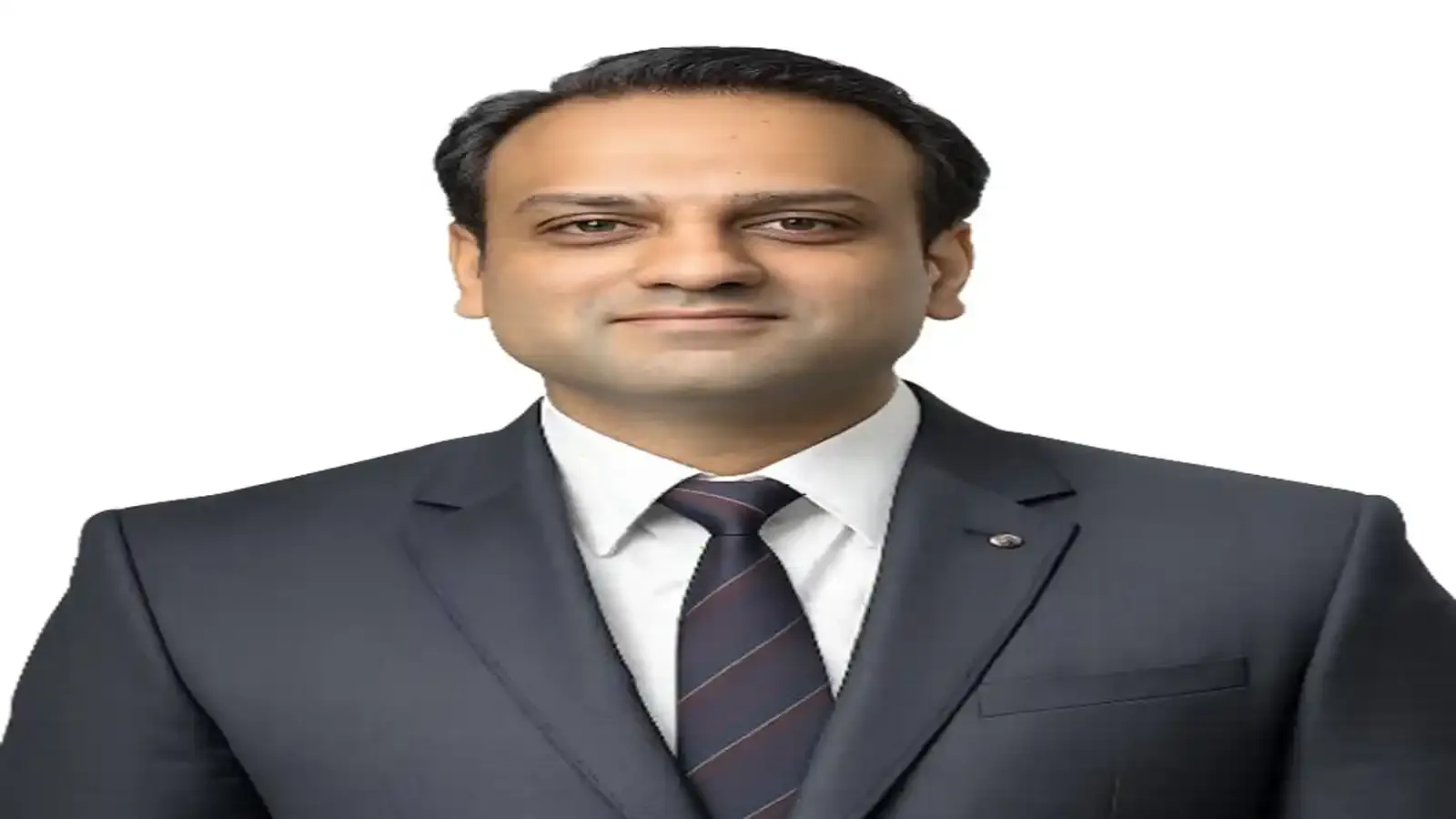
In this interview, Harsh Agarwal, Fund Manager at DynaSIF, 360 ONE Asset Management Ltd, shares insights from SIF investing that ordinary investors can adapt to their own financial journeys.

SIFs require a high minimum investment of ₹10 lakh. | Image: Shutterstock.
Specialised Investment Funds (SIFs) operate with strategies that often seem out of reach for everyday investors. Yet, there are principles from these funds that can guide retail investors in managing risk, navigating market volatility, and structuring portfolios for long-term growth.
Retail investors are generally better served by keeping their investment strategies simple and leaving derivatives-based approaches to professional fund managers of SIF investment strategies.
That said, there is one important principle worth observing. SIFs are not permitted to use leverage, meaning that even when derivatives are employed, the combined exposure of long and short positions cannot exceed 1x capital.
Retail investors would do well to internalise this, particularly if they ever venture into derivatives themselves.
Beyond that, studying how SIFs construct their portfolios, including how they balance long and short positions, when they increase or reduce equity exposure, and how they think about hedging, can give retail investors a more risk-conscious framework for managing their own allocations. The philosophy is transferable, even if the instruments are not.
The structure of SIF strategies offers an insight into how volatility can be managed differently from traditional equity investing. The key takeaway for investors is that unlevered long-short strategies may be better cushioned against market swings.
They tend to exhibit lower volatility and, crucially, smaller drawdowns when markets are falling. That is a meaningful structural advantage worth understanding.
Discipline is the foundation of good investing. Plan your cash flows carefully, stick to your investing process regardless of market noise, and always maintain a cash buffer for rainy days. Markets will always have their ups
Honestly, retail investors are unlikely to develop the depth of understanding of market and economic developments that drives active sector and stock concentration in SIF portfolios.
Rather than attempting to replicate that, the more prudent approach is to diversify their investments in various asset classes. Concentration is a tool best wielded with significant expertise and resources behind it.
Investing through mutual funds could be an effective route, given their relatively favourable tax treatment for long-term investors. Moderate-churn AIF or PMS schemes serve a similar purpose.
For those who prefer building their own equity portfolios, the key is to focus on stocks with favourable cyclicality and durable long-term moats. In summary, businesses you are comfortable holding through cycles, rather than trading frequently.
Yes, and the most accessible way is to study how SIFs construct their portfolios. Pay attention to how allocations are split between longs and shorts, and what drives those decisions.
Over time, this helps to build an intuition for managing equity exposure in a risk-conscious manner, which includes knowing when to increase or reduce allocations and when to hedge.
For an investor with less than ₹10 lakh, MFs are the only viable and diversified option.
Disclaimer: This article is written purely for informational purposes and should not be considered investment advice from Upstox. Investors should do their own research or consult a registered financial advisor before making investment decisions.
Related News


About The Author
Next Story



