
Personal Finance News
RBI’s gold loan guidelines: Govt recommends relief for small borrowers, rollout from January 2026
.png)
3 min read | Updated on May 30, 2025, 13:42 IST


SUMMARY
The Finance Ministry has asked the Reserve Bank of India (RBI) to ensure that the central bank's gold loan draft rules don't harm the small-ticket borrowers. It has also recommended that the new rules must be implemented from January 1, 2026, to give the ministry enough time to make the necessary changes at the operational level.
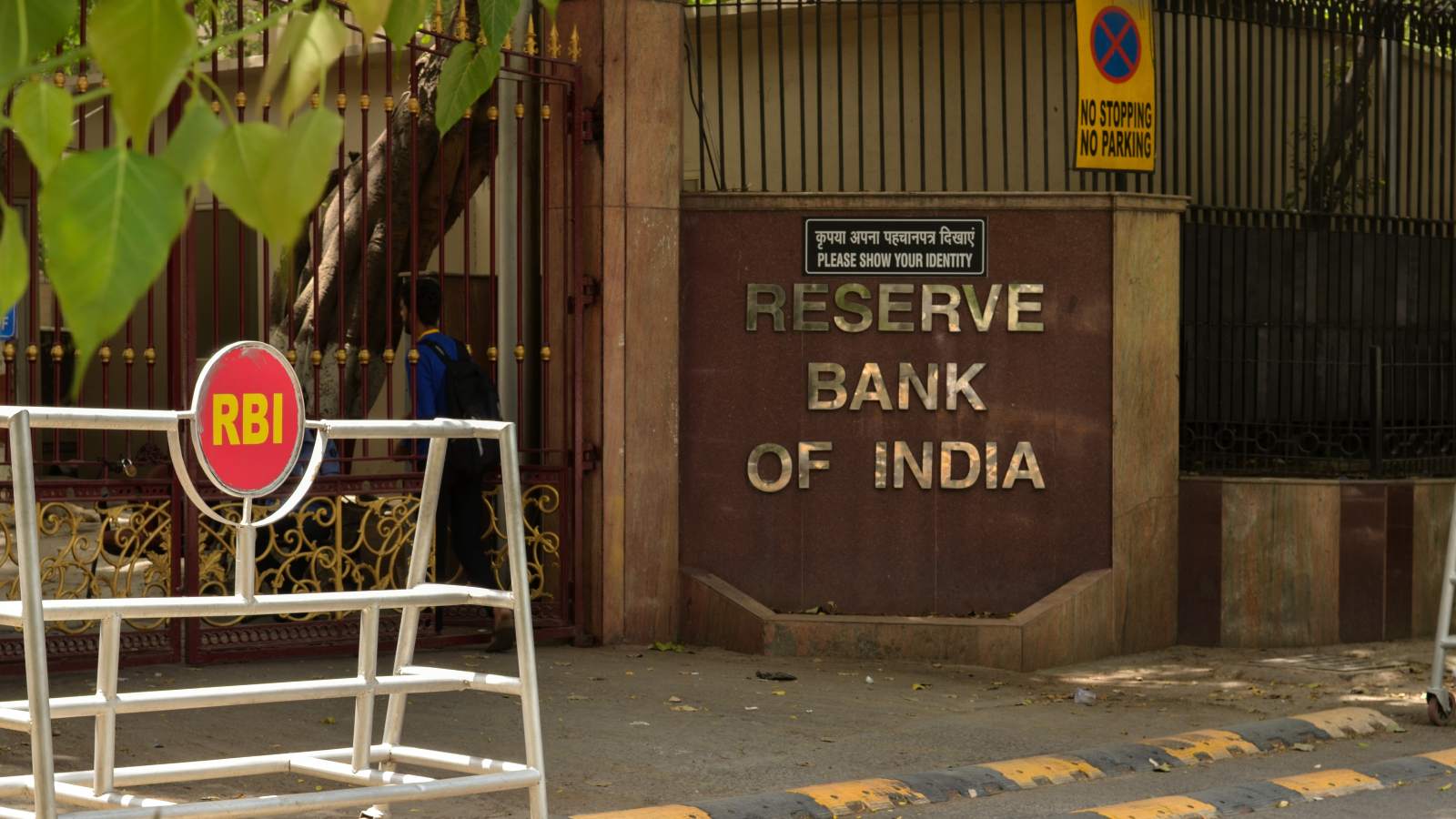
The suggestions have been sent to the RBI, which is reviewing the feedback given by the finance ministry.
The Department of Financial Services (DFS), under the Ministry of Finance, has given suggestions to the Reserve Bank of India (RBI) on the central bank's Draft Directions on Lending Against Gold Collateral, asking the RBI to ensure that small gold loan borrowers are not adversely affected by the new rules.
“Draft Directions on Lending Against Gold Collateral issued by the @RBI have been examined by @DFS_India under the guidance of Union Minister for Finance and Corporate Affairs Smt. @nsitharaman. @DFS_India has given suggestions to the @RBI to ensure that the requirements of the small gold loan borrowers are not adversely affected,” the Finance Ministry said in a social media post on X on Friday, May 30, 2025.
The finance ministry has suggested the exclusion of small borrowers with up to ₹2 lakh from the provisions of the proposed norms. This will ensure quick disbursement of loans for small gold loan borrowers. Further, it has also suggested that it would be suitable for the guidelines to come into effect from January 1, 2026, as the ministry needs time to implement them at the field level.
“@DFS_India has also stated that such guidelines will need time to implement at the field level and hence may be suitable for implementation from 1st January 2026 only. Further, @DFS_India has suggested that small ticket borrowers below ₹2 lakh may be excluded from the requirements of these proposed directions to ensure timely and speedy disbursement of loans for such small ticket borrowers,” the post said.
The suggestions have been sent to the RBI, which is reviewing the feedback given by the finance ministry, the post stated.
“It is expected that concerns raised by various stakeholders, as well as the feedback received from the public, will be duly considered by the @RBI before finalising the Directions on the same,” it added.
What are the RBI draft guidelines?
The RBI’s proposed guidelines on gold loans are focused on enhancing underwriting, improving collateral management, and monitoring the end-use of funds.
It is proposed that all loans classified against gold must have a loan-to-value (LTV) ratio of less than 75% of the value of gold during the entire tenure of the loan, including the accrued interest. This could result in a reduction of loan disbursements under bullet repayment structures from 65–68% to around 55–60% of the gold value.
In the bullet repayment structure, the borrower repays the full principal and interest at the end of the loan term instead of monthly installments. Currently, banks (lenders) give 65–68% of the gold's value as the loan amount, which will be reduced to 55–60% when these regulations are implemented. This can harm the small-ticket borrowers.
Further, the guidelines direct lenders to cap the share of gold loans in their portfolios. The upper limit would be reviewed periodically on the basis of recovery performance, portfolio concentration, and capital adequacy.
About The Author
Next Story



