
Personal Finance News
How a ₹30 crore scam targeted wealthy retirees. 6 red flags to protect your savings from digital arrest

4 min read | Updated on March 13, 2026, 13:12 IST


SUMMARY
Digital arrest scams are targeting wealthy retirees in India. Here’s how two retired professionals lost nearly ₹30 crore and the warning signs to watch out for.
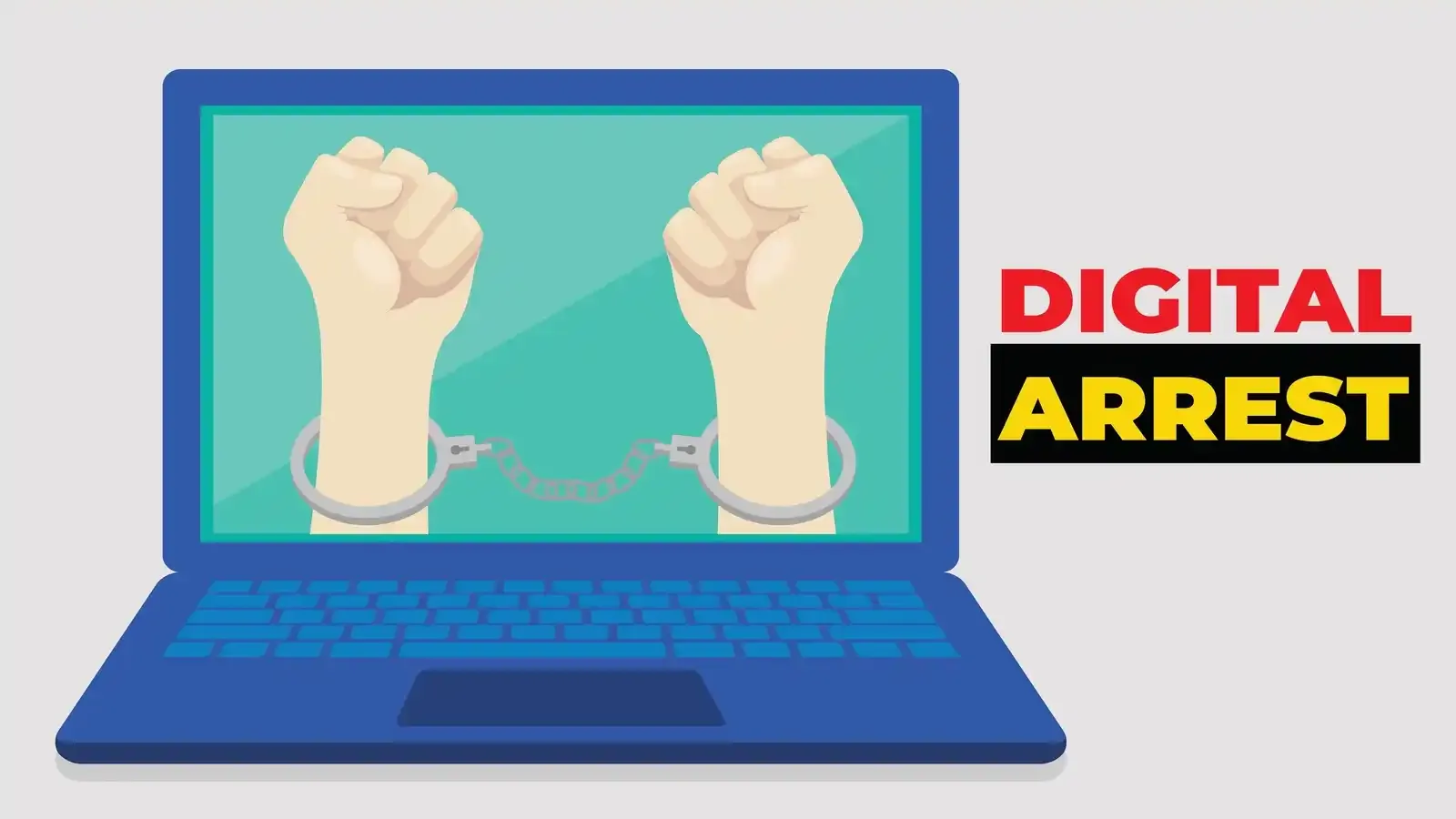
Digital arrest is a cyber fraud technique where criminals pose as police officers, investigators or government officials. | Image: Shutterstock.
A new cyber fraud tactic called digital arrest is emerging as a serious threat to wealthy retirees in India.
The cases are now being investigated by the Central Bureau of Investigation (CBI).
What is digital arrest?
Digital arrest is a cyber fraud technique where criminals pose as police officers, investigators or government officials and falsely claim that the victim is involved in a criminal case.
The scammers then force the victim to remain on continuous phone or video calls, sometimes for days or even weeks. They claim the person is under 'digital arrest' and warn them not to disconnect the call or speak to anyone else.
During this period, victims are often told that their bank accounts are being investigated and are asked to transfer money for “verification” or “security checks”.
How the Gujarat victims were trapped
The call was then transferred to people posing as police officers. They reportedly kept the victim and her husband under what they described as "digital arrest” and instructed them not to contact anyone while the investigation was ongoing.
Over 82 days, the scammers allegedly convinced the couple to transfer more than ₹11 crore in multiple transactions for supposed verification.
In another case cited in the report, a retired gynaecologist from Gandhinagar was reportedly kept under similar “digital custody” for nearly 123 days, during which cyber criminals siphoned off more than ₹19.24 crore in instalments.
6 red flags of a ‘digital arrest’ scam
Scammers posing as TRAI and law enforcement authorities contacted the victims.
Fraudsters kept the victims in "digital custody" and said they were being investigated.
Claiming that money was required to validate bank accounts, scammers demanded money.
According to the report, the victims were instructed not to tell anyone about the investigation's specifics.
For 82 and 123 days, the scam persisted.
Financial losses can be avoided by early reporting.
In both cases, the fraudsters used fear, authority and prolonged psychological pressure to convince the victims that they were under official investigation.
Related News



About The Author
Next Story



