
Personal Finance News
Gold loans surge 71%: How interest on pledged gold is calculated
.png)
3 min read | Updated on February 11, 2026, 15:38 IST


SUMMARY
According to data cited by the Government in the Rajya Sabha, based on Reserve Bank of India (RBI) figures, gold loans under the personal loan segment increased by ₹71,858 crore between December 2023 and December 2024.

The high increase in gold loans has brought attention to how families are using their gold holdings as leverage in changing economic environment. | Image: Shutterstock
With loans against gold jewellery rising 71.3 per cent year-on-year in December 2024, attention has turned to how these loans are priced and whether the rapid growth signals financial stress.
According to data cited by the Government in the Rajya Sabha, based on Reserve Bank of India (RBI) figures, gold loans under the personal loan segment increased by ₹71,858 crore between December 2023 and December 2024. However, the Government clarified that this rise accounted for only 4.06 per cent of the overall incremental non-food credit of ₹17,67,929 crore during the same period.
How interest on gold loans is calculated
Interest is calculated on the full principal for the loan tenure.
For example, if a borrower takes a ₹1 lakh loan at 12 per cent annual interest for six months, the interest payable would be ₹6,000. The borrower would repay ₹1.06 lakh at maturity.
Under this structure, interest is charged only on the outstanding loan amount. The principal reduces with each EMI.
Gold loan interest rate 2026
Gold loan interest rates in India range from 8.05% to 27% p.a. Interest rates generally vary depending on the lender, loan amount, loan-to-value (LTV) ratio, gold purity, tenure, and whether you choose a bank or NBFC. Major banks like SBI, HDFC, ICICI, and Canara Bank offer gold loans starting at 8.75% to 9.30% per annum.
Amid sharp volatility in gold prices, the RBI has stated that it sees no systemic risk from the asset class.
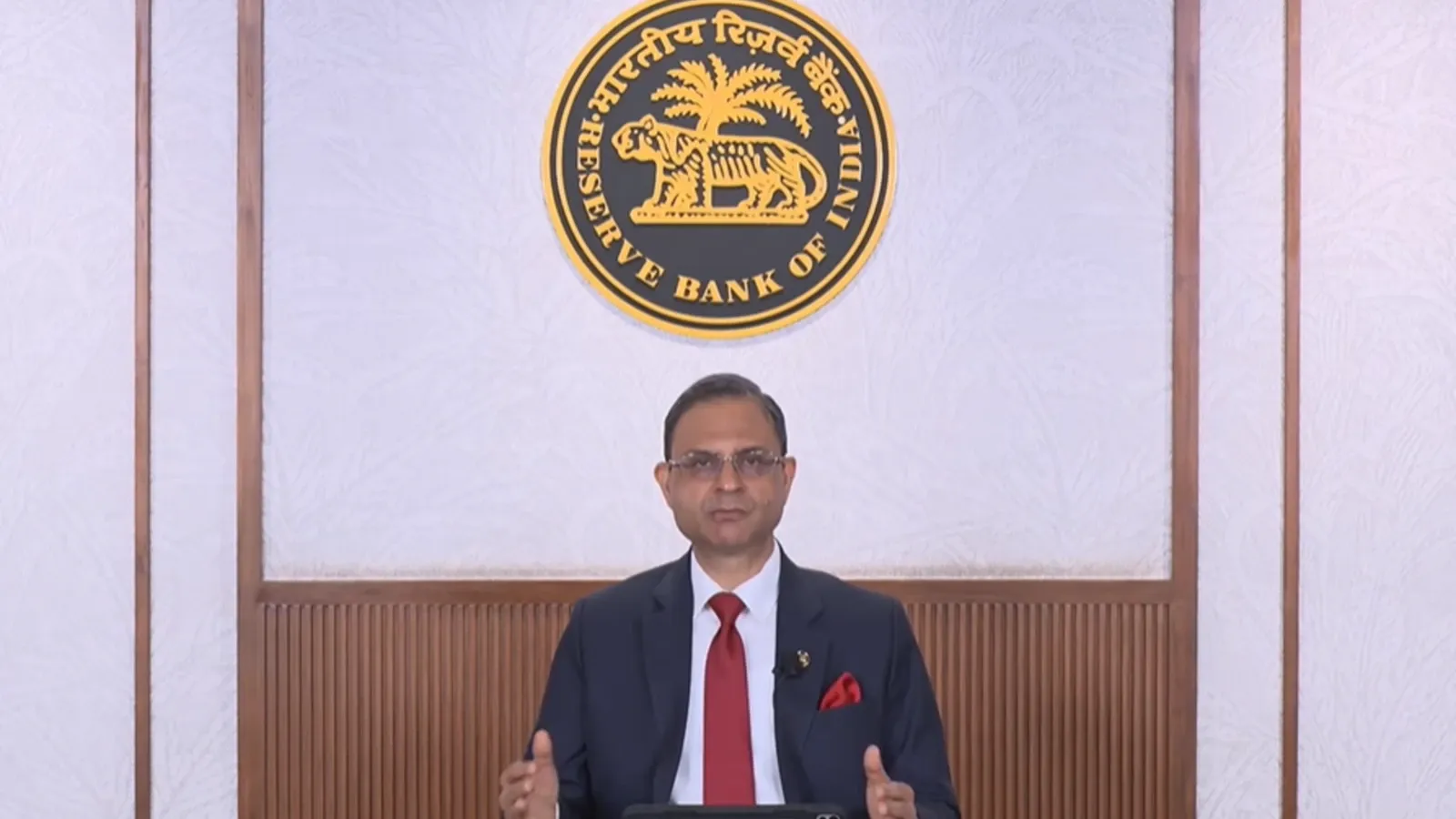
“…on the gold loans, we are very comfortable,” Malhotra told reporters, adding that there is “no cause for concern” regarding the outstandings against the precious metal in the financial system.
Data shared by the Government shows a steady rise in outstanding gold loans:
Scheduled Commercial Banks (excluding RRBs and Payment Banks)
| Year (March) | Amount (₹ Crore) |
|---|---|
| 2023 | ₹6,15,341 crore |
| 2024 | ₹7,73,248 crore |
| 2025 | ₹9,83,716 crore |
(Source: RBI)
NBFCs (Upper and Middle Layer)
| Year (March) | Amount (₹ Crore) |
|---|---|
| 2021 | ₹1,12,428 crore |
| 2022 | ₹1,18,971 crore |
| 2023 | ₹1,29,787 crore |
| 2024 | ₹1,54,315 crore |
| 2025 | ₹2,08,481 crore |
(Source:RBI)
The RBI has informed that it does not maintain gold loan data categorised by borrower demography or loan size.
In its response in Parliament, the Government stated that gold loans have been instrumental in promoting financial inclusion, particularly for rural households, MSMEs and underserved segments. It added that such lending helps protect borrowers from unorganised channels that may charge usurious rates.
Understanding how interest is computed, whether on a simple or decreasing basis, and the LTV ratio that lenders use can have a big impact on borrowers' total borrowing costs.
Related News

About The Author
Next Story

