
Personal Finance News
From petrol to LPG to airfares and gold: How the Iran war could hit your wallet. 9 points

5 min read | Updated on March 12, 2026, 11:47 IST


SUMMARY
Oil, LPG, airfares, and gold prices show how the Iran war could impact your wallet, increasing costs for households and travel.

As tensions persist, the ripple effects are unlikely to ease anytime soon. The effects may be seen in your expenses and investments. | Image: Shutterstock.
You may not see missiles flying over your sky, but the escalating conflict between Iran, Israel, and the United States (US) is already affecting your wallet.
Growing geopolitical tensions have the potential to increase the cost of crude oil, devalue the rupee, and cause stock market volatility. Increased fuel prices, inflation, and changes in investment portfolios can all result from this. However, safe-haven assets like gold often gain during such periods.
Here is a closer look at what is changing and why Indian households might feel the pinch on their wallet.
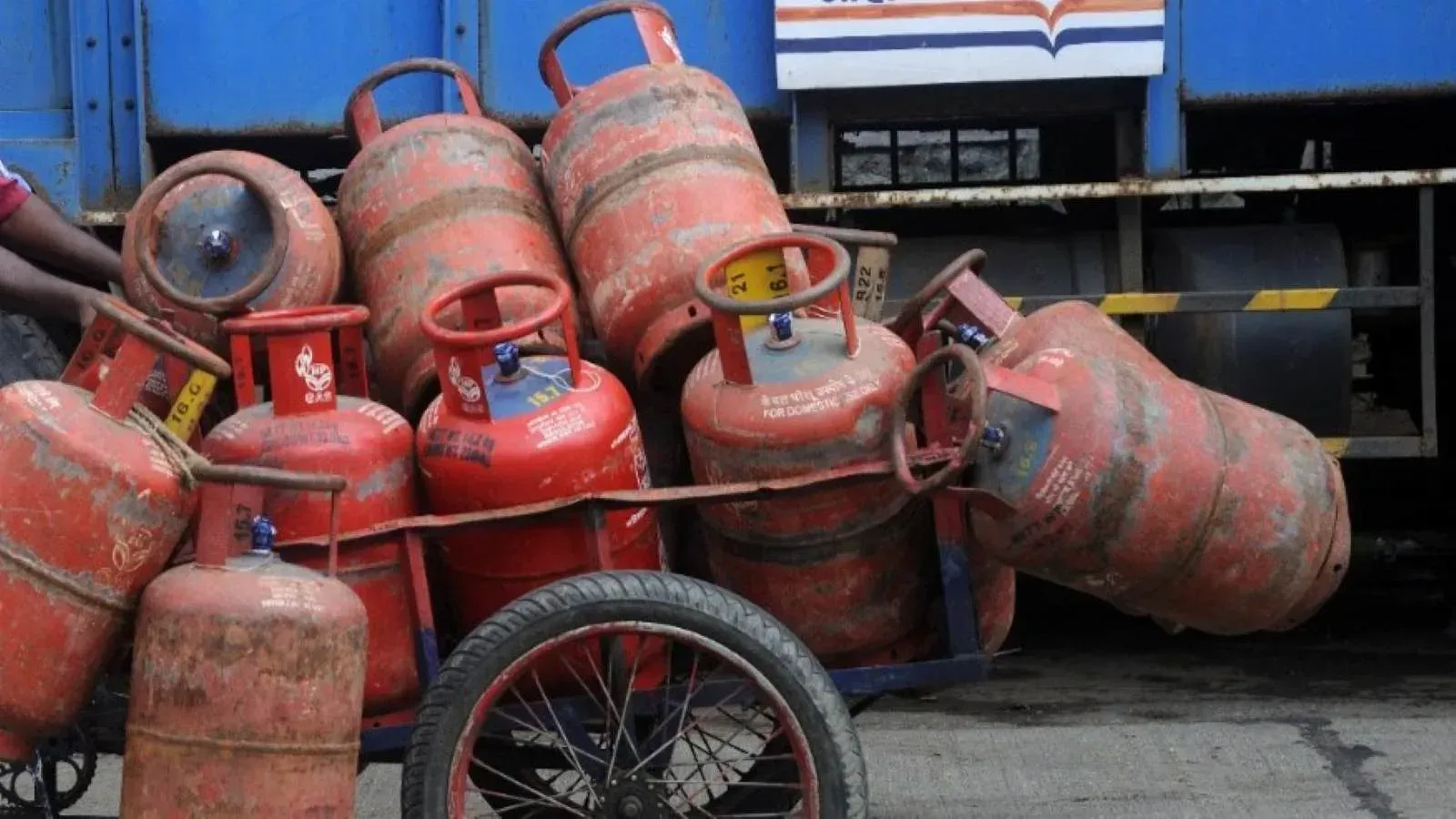
1. Domestic cooking gas gets costlier
The Centre on Wednesday advised all states and Union territories to monitor LPG supplies daily, take strict action against violators, curb rumours, and maintain law and order amid public concerns over a potential shortage of LPG cylinders due to the widening crisis in West Asia, officials said.
Despite these directives, cases of hoarding and black-marketing continue. “Today, I was asked ₹4,000 for a single gas cylinder,” said my cook, reflecting the anxiety and frustration felt by ordinary households facing inflated prices.
2. Petrol and diesel prices
Crude oil has surged since the US-Iran conflict escalated, crossing $100 per barrel for Brent crude. India imports 88% of its oil, much of it from the Middle East, and about 2.5–2.7 million barrels per day pass through the Strait of Hormuz, making it vulnerable to any supply disruption.
If the war continues and fuel prices rise, higher costs for petrol, diesel, and transportation will drive up food logistics expenses, putting upward pressure on the cost of everyday goods.
Since April 2022, prices of petrol and diesel have been frozen, with companies absorbing losses when crude oil is expensive and benefiting when prices fall.
3. Stock market and investments
Geopolitical tensions trigger stock market volatility. One of my friends wanted to quit his job recently. I kept telling him, “Keep an emergency fund, man.” He never really listened, thinking stocks and mutual funds were enough. Now he needs money, and his portfolio is bleeding. Wars and crises can eat into investments.
"I used to think my stocks and mutual funds were enough. Now I see an emergency fund is what really keeps you safe when crises hit," said Ghaziabad-based Santosh Rai.
4. Airline tickets are getting costlier
Rising jet fuel prices have forced airlines like Air India and Air India Express to levy new fuel surcharges. Domestic tickets now have a ₹399 fuel surcharge, and SAARC flights are seeing similar charges.
International fares are also going up: West Asia USD 10, Africa USD 90, Southeast Asia USD 60.
From March 18, surcharges rise again: Europe USD 125, North America and Australia USD 200.
Air India says these steps are needed to cover operating costs and avoid cancellations. Other carriers, IndiGo, SpiceJet, and Akasa Air, haven’t announced any changes yet.
5. Commercial LPG
Commercial gas prices for hotels and food services have risen, adding to operational costs, which can translate into pricier meals for customers.
Restaurants and cafes may raise pricing due to increased LPG and transportation expenses, making eating out more costly.
6. Inflation in daily goods
Rising fuel prices increase the costs of transportation, logistics, and manufacturing, which in turn drives up prices for groceries, dry fruits, and many everyday items.
7. Pressure on the Rupee
The Indian rupee may lose value as a result of rising oil import prices, which would raise the price of international travel and foreign investments.
As fuel prices rise, long-distance or imported goods are also likely to become more expensive due to increased transportation and logistical expenses.
8. Gold prices
Gold prices dipped modestly on Thursday, March 12, while silver inched higher after monthly US inflation data tempered expectations of Federal Reserve interest rate cuts, even as unrest continues in West Asia.
9. Wedding costs climb
Wedding season is in full swing, but celebrations are starting to pinch wallets. Gold, food, and decor are already quite costly. Prices may rise even more if the dispute persists, making it more expensive.
As tensions persist, the ripple effects are unlikely to ease anytime soon. The effects may be seen in your expenses, investments, and celebrations.
Related News

About The Author
Next Story



