
Personal Finance News
8th Pay Commission: What will minimum salary be if real hike matches 7th CPC? Check calculation
.png)
4 min read | Updated on February 23, 2026, 15:58 IST


SUMMARY
The dearness allowance as of January 1, 2026, is expected to be 60% of basic pay. If the 8th CPC merges this DA with basic pay using the same method as the 7th CPC, then the inflation component of the fitment factor would be:

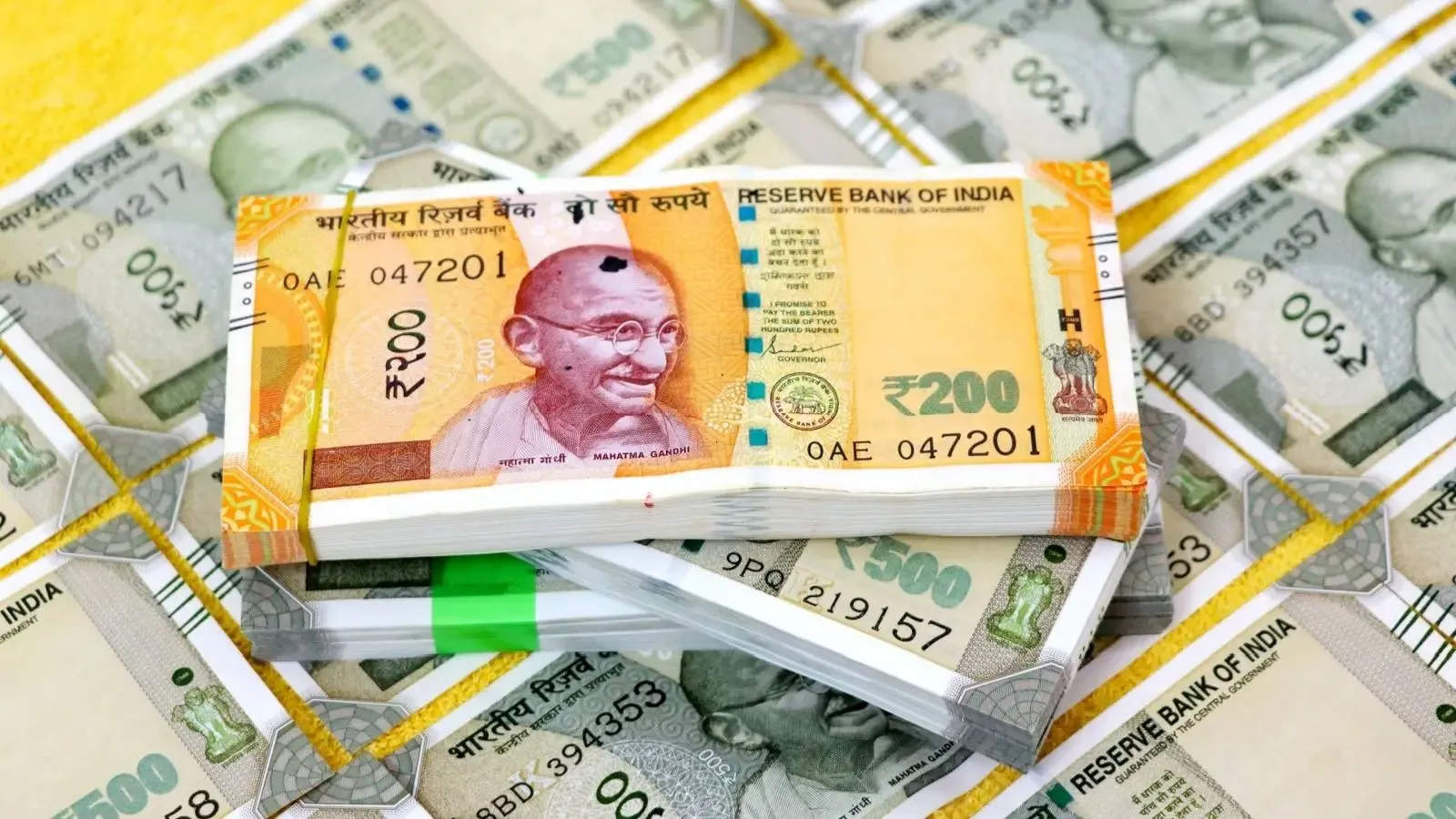
The 7th CPC recommended a real pay hike of 14.2%. | Image source: Shutterstock
As conversations around the 8th Central Pay Commission (CPC) salary hike gather momentum, this article looks at what the minimum salary for central government employees would look like if the real pay hike under the new pay commission matches the one recommended by the 7th CPC.
Please note that this exercise is only for informational purposes and not meant to speculate about the expected pay hike, which will be decided solely by the 8th CPC.
However, this article may help you understand how the real pay and nominal pay hike announced by a central pay panel can differ significantly.
First, let's see what happened in the 7th CPC.
The 7th CPC recommended a fitment factor of 2.57, raising the minimum salary from ₹7000 to ₹18,000. While this is about 157% jump in minimum salary, the real pay hike was only around 14%. This is because the fitment factor had two components:
-
The inflation component of 2.25 on account of merger of dearness allowance (DA) with basic pay
-
The real pay hike component of 0.32
The 7th CPC first calculated what was needed to merge the existing DA as on January 1, 2016, with the employees' basic salary. This became the inflation component, on top of which the commission added a sweetener, or what you can call the 'real pay' hike component.
The 7th CPC assumed DA at 125% as on January 1, 2016, because DA under the 6th CPC had reached that level by this date.
The existing DA was merged into the basic pay. This was done so that the new basic pay could reflect the current cost of living as of January 1, 2016.
Here's how the merger worked:
-
Old basic pay: 100% (represented as 1.00)
-
DA to be merged: 125% (representation as 1.25
-
Total inflation-adjusted new base: 1.00+1.25 = 2.25
On the inflation component of 2.25, the 7th CPC added a real hike of 14.22% to determine the fitment factor of 2.57. In other words:
Real hike factor = 2.57/2.25 = 1.1422
Real pay increase = 14.22%
What if the 8th CPC matches the real pay hike of the 7th CPC?
1.00+0.60 = 1.60.
To recommend a 14.22% real pay hike like the 7th CPC, the 8th CPC would need to apply the same real increase multiplier of 1.422. Thus, the fitment factor following the 7th CPC method would be:
1.60 x 1.1422 = 1.8275.
If the 8th CPC recommends this fitment factor, then the current minimum pay of ₹18,000 would increase by a factor of 1.83:
₹18,000 x 1.83 = ₹32, 940
To exceed the minimum salary of the 7th CPC, the 8th CPC would need to recommend a fitment factor higher than 1.83.
Calculation summary: 7th CPC vs 8th CPC (If real hike matches 7th CPC)
| Component | 7th CPC | 8th CPC (hypothetical, if real hike = 14.22%) |
|---|---|---|
| Old minimum basic pay | ₹7,000 | ₹18,000 (current) |
| DA at implementation date | 125% | 60% (expected) |
| DA‑merger factor | 2.25 | 1.60 |
| Real hike factor | 1.1422 | 1.1422 |
| Fitment factor | 2.57 | 1.83 (1.60 × 1.1422) |
| New minimum pay | ₹18,000 | ₹32,940 (₹18,000 × 1.83) |
Related News

About The Author
Next Story



