
Personal Finance News
7th Pay Commission's tenure ends on December 31: Highlights of recommendations that shaped 10 years
.png)
4 min read | Updated on December 23, 2025, 09:51 IST


SUMMARY
Here is a look at the key highlights of the Seventh Central Pay Commission, which has shaped the pay, allowances and pension structure of Central Government employees since 2016.
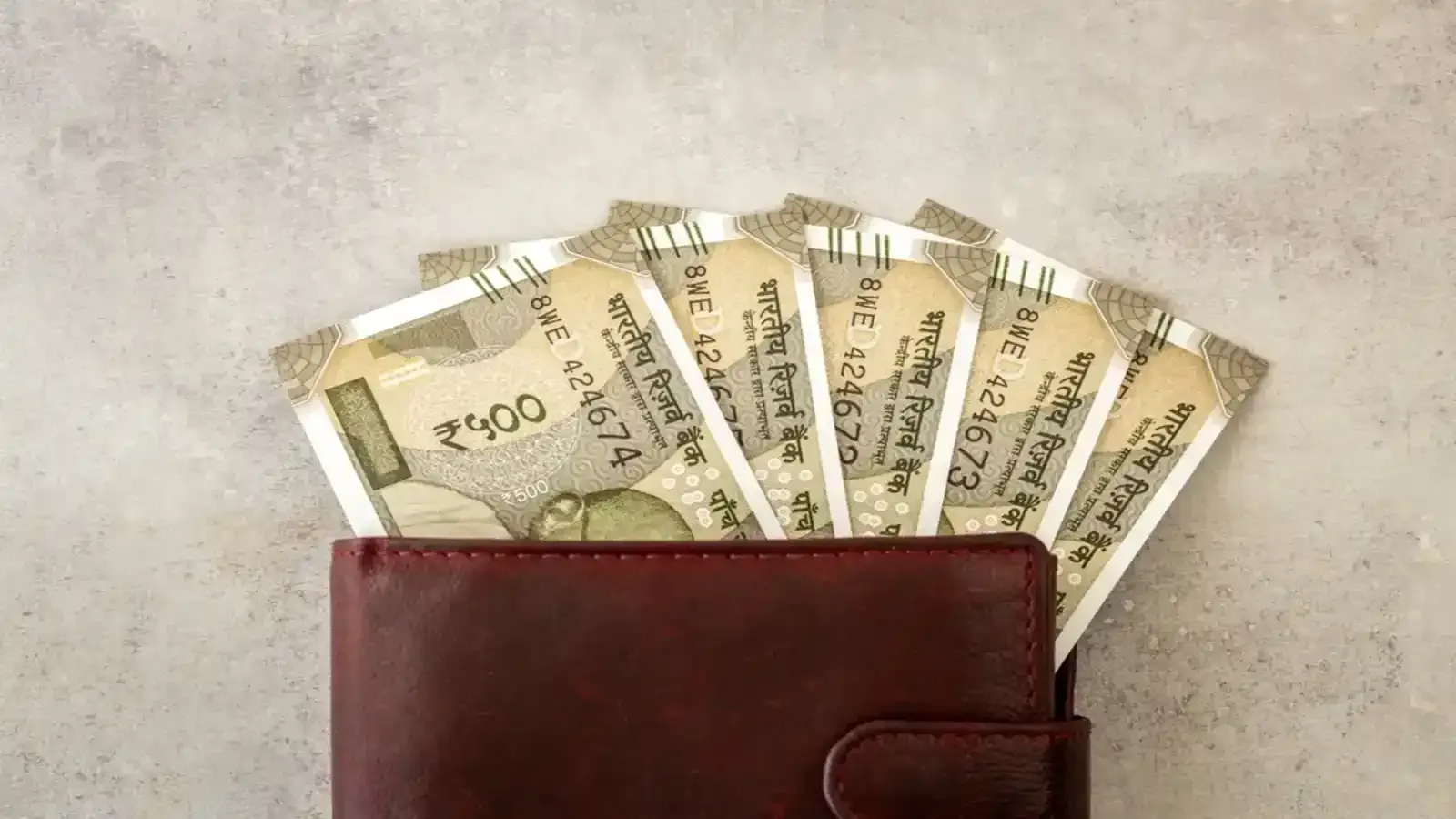
7th Pay Commission: The recommendations came into effect from 1 January 2016. | Image: Shutterstock
Highlights of 7th Pay Commission recommendations that shaped 10 years
-
Date of implementation: The recommendations came into effect from 1 January 2016.
-
Minimum pay: Based on the Aykroyd formula, the minimum pay in government had been set at ₹18,000 per month.
-
Maximum pay: The maximum pay had been fixed at ₹2,25,000 per month for the Apex Scale and ₹2,50,000 per month for the Cabinet Secretary and others at the same pay level.
-
New pay structure: The previous system of pay bands and grade pay was replaced with a new pay matrix, with Grade Pay subsumed. Employee status, earlier determined by grade pay, was now determined by the level in the pay matrix.
-
Fitment: A uniform fitment factor of 2.57 had been applied for all employees.
-
Annual increment: The rate of annual increment remained at 3 per cent.
-
Modified Assured Career Progression (MACP)
a. Performance benchmarks were raised from “good” to “very good.”
b. Annual increments were not granted to employees who did not meet benchmarks for MACP or regular promotions within the first 20 years of service.
c. No other changes to MACP were made.
-
Allowances: 52 allowances were abolished, and 36 were merged into existing/new allowances. Risk and hardship allowances were governed by a nine-cell risk and hardship matrix.
-
House rent allowance: HRA was revised to 24%, 16%, and 8% of basic pay for Class X, Y, and Z cities, with further adjustments as DA crossed 50% and 100%. Coverage extended to all PBORs of the Defence, CAPFs, and Coast Guard.
-
Advances: All non-interest-bearing advances abolished; only the Personal Computer Advance and House Building Advance (HBA) retained. HBA ceiling increased from ₹7.5 lakh to ₹25 lakh.
-
Central Government Employees Group Insurance Scheme (CGEGIS): Contribution rates and insurance coverage enhanced.
-
Medical facilities: Health insurance scheme introduced; CGHS coverage expanded for pensioners outside CGHS areas and postal pensioners.
-
Pension: Revised formulation implemented for civil, CAPF, and Defence personnel retired before 01.01.2016.
-
Gratuity: Ceiling raised from ₹10 lakh to ₹20 lakh. The ceiling on gratuity may be raised by 25 per cent whenever DA rises by 50 per cent.
-
Disability pension for armed forces: Returned to a slab-based system.
-
Ex gratia compensation: Lump sum revised for next of kin in duty-related deaths.
-
New Pension System: The Commission received many grievances relating to NPS. It has recommended a number of steps to improve the functioning of NPS. It has also recommended the establishment of a strong grievance redressal mechanism.
-
Regulatory bodies: Consolidated pay packages recommended for Chairpersons and Members; pension not deducted from consolidated pay. The Commission has recommended a consolidated pay package of ₹4,50,000 and ₹4,00,000 per month for Chairpersons and Members, respectively, of select Regulatory bodies. The consolidated pay package will be raised by 25 per cent as and when Dearness Allowance goes up by 50 per cent
-
Performance-related pay: PRP introduced, subsuming existing bonus schemes.
Will the 8th CPC become effective from January 1, 2026?
Responding to a query, he clarified that no confirmation has been made on rolling it out from January 1, 2026. The decision is likely to be taken after the commission submits its report, which could take up to 18 months from notification.
Related News


About The Author
Next Story



