
Personal Finance News
West Asia crisis: How new, floating and fixed loan borrowers may be impacted?

3 min read | Updated on March 27, 2026, 16:44 IST


SUMMARY
SBI Research noted that due to exchange rate fluctuation and supply chain disruption, imported inflation is already at 5.7% for February 2026. This is 245 basis points higher than the headline inflation and is expected to increase considerably further.

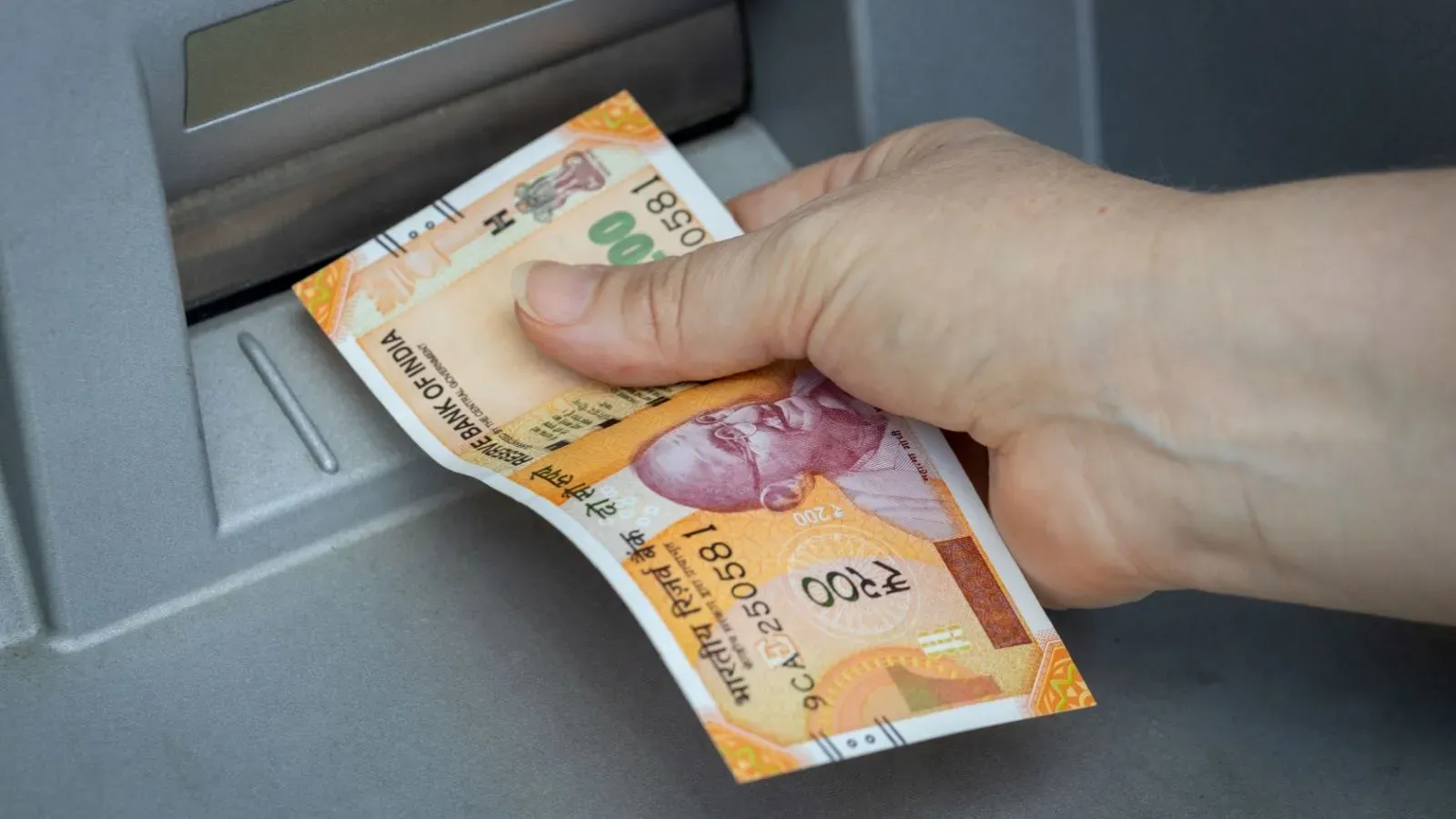
Your borrowings are also likely to see an impact if the crisis continues. | Image: Shutterstock.
The continuing West Asia crisis has weighed heavily on global markets. While the impact on your investments is evident with a sharp decline in equity returns and bullion prices, your borrowings are also likely to see an impact if the crisis continues.
Wondering how your existing loans, whether fixed, floating, or new, could be affected amid the geo-political tensions due to the US-Israel vs Iran war, here is a lowdown on the situation and what borrowers should brace for.
West Asia crisis and its economic impact
With the escalation of the war and the blockage of the crucial Strait of Hormuz, the energy supply has been disrupted, and with it, there is a high likelihood of an inflationary shock. This is owing to a rise in crude oil prices, which has a direct bearing on global and domestic interest rates.
How are crude prices, inflation, and interest rates related?
Highlighting the correlation among crude price, inflation, and interest rates, Sourav Choudhary, MD, Raghunath Capital, an asset manager, said a sustained rise in crude prices could increase fuel, logistics, and input costs, which would result in higher inflation. And in its wake, central banks may delay rate cuts or even hike rates.
Also, as the rupee has plummeted to a historic low and Brent crude is hovering around $100 amid the crisis, imported inflation is already seeing an increase. In a report in early March, SBI Research noted that due to exchange rate fluctuation and supply chain disruption, imported inflation is already at 5.7% for February 2026. This is 245 basis points higher than the headline inflation and is expected to increase considerably further.
So, the external crude supply shock is already showing its impact on the inflationary front, and sooner or later, it may reflect on interest rates too.
Can inflationary fear push the RBI to hike interest rates?
Choudhary noted that because of the country’s heavy reliance on crude imports, the Reserve Bank of India may delay rate cuts and stay hawkish. He further said that rate hikes are even possible if inflation rises sharply.
Interest rate trajectory and likely impact on loans
According to the expert, new loans may result in higher borrowing costs for customers. Likewise, in the case of fixed loans, while the existing borrowers will remain protected, new fixed loans may turn costly. Similarly, in the case of floating loans, the EMIs shall stay high or may increase further.
Strategy borrowers can resort to and what they should brace for
Choudhary advises existing borrowers to consider partial prepayment, while new borrowers should opt for shorter tenure or fixed/ hybrid rates.
Concluding, the expert said, the rate cuts will likely be delayed. However, if crude spikes further, rate hikes are possible. So, borrowers should prepare themselves for a higher-for-longer rate environment.
Related News
About The Author
Next Story



