Market News
Predicability vs panic: Here is how markets navigated through the previous three geopolitical conflicts

4 min read | Updated on March 05, 2026, 13:57 IST


SUMMARY
Markets across the globe are trading in green as the West Asia crisis entered its sixth day. The US markets rallied nearly 1%, and the South Korean benchmark index recouped partial losses by rallying 12% in a single day. Have global markets made a "panic bottom" or is the worst yet to come? Here is what an analysis of the recent three geopolitical conflicts suggests.
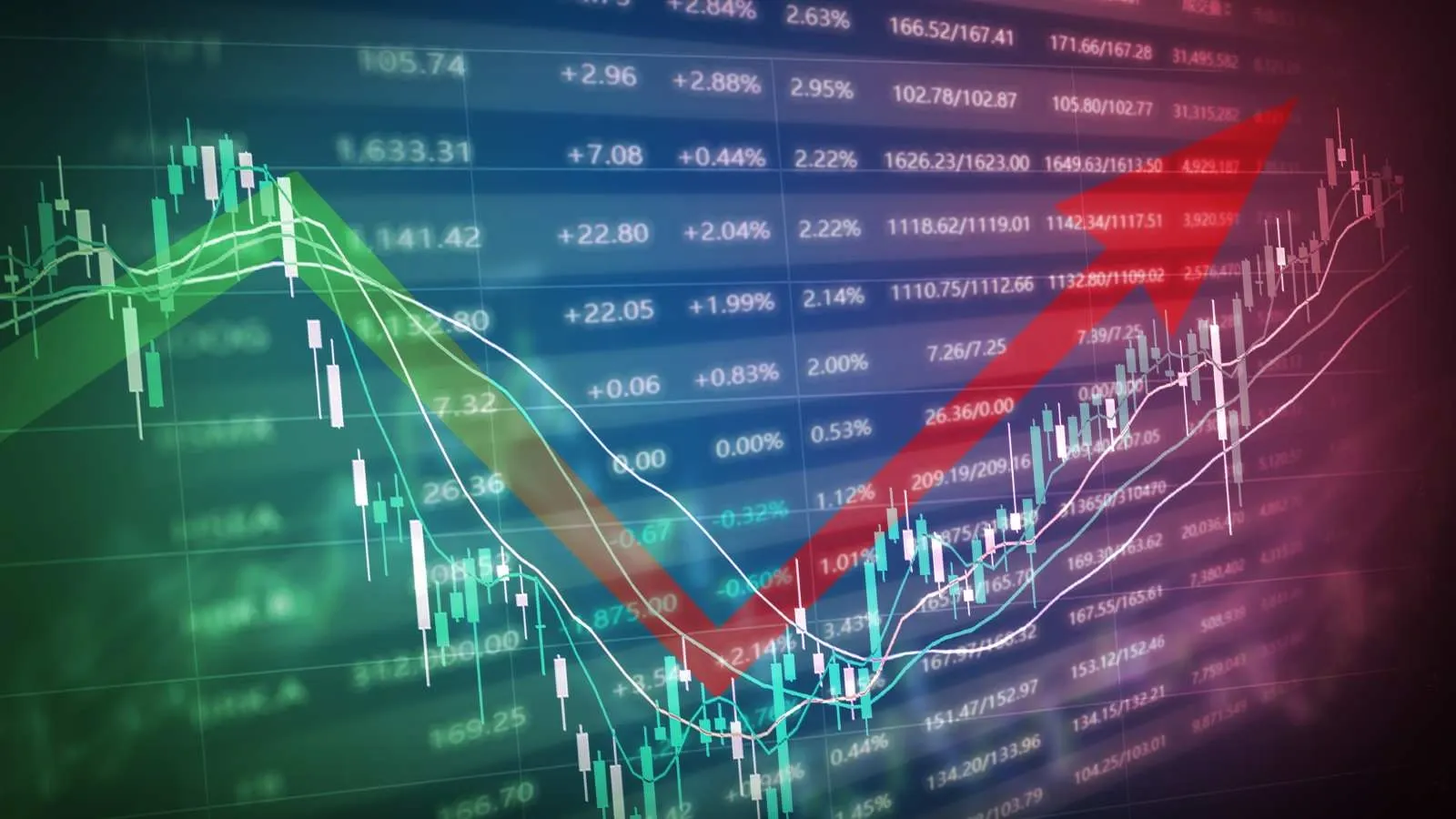
NIFTY50 and SENSEX have fared much better in the recent crisis in comparison to its Asian peers.
Indian benchmark indices traded in green across the board on Thursday afternoon as investors reassessed the impact of the West Asia crisis. The bounce back from the lower levels is a sign of revival, or it's just a knee-jerk reaction to stabilising oil prices, would be very premature to ascertain at this level, as things continued to evolve faster than anticipated.
The current war is not just fought on the battlefields, but also in everyone’s mind with mass misinformation tactics. As an investor, it is very important analyse every piece of information with a pinch of salt and utilise it for investment decision-making. Still, it is difficult to tread through these turbulent times and look back in history to get a better assessment of events happening around us. Whether markets will bounce back from here or they will continue to fall, here is what the previous few crises have taught us.
Russia-Ukraine war
After Covid-19 market crash, the Russia-Ukraine war in 2022 proved to be a major sentiment driver for the markets across the globe. On February 24, 2022, on the day ofthe Russian invasion of Ukraine, the NIFTY50 tanked over 800 points or 4.15% to close at 16,247. In the subsequent two weeks, markets fell by over ~11%, NIFTY50 dropped to 15,671. The panic was set as the crude oil prices jumped to almost $140 per barrel, igniting inflation fears across the globe. Similar to what we are witnessing today.
However, the index recouped almost all the losses by April 2022 to touch back to 18,000 levels. The rally came despite the uncertainty that persisted as investors assessed the conflict to be limited to the region.
US, Israel - Iran war in 2025
The 12-day war, which started on June 12 after Israel attacked Iran with a barrage of missiles at its key nuclear facilities in Isfahan and Natanz. Iran too retaliated with ~300 missiles, which aggravated the situation and pushed the oil prices to $90 per barrel. During the crisis, the NIFTY50 fell 3.5% until the crisis was evolving after the US intermediated for a ceasefire, and the energy prices dropped. Unlike the Russia-Ukraine war, the index went through a ‘time correction’ rather than a ‘price correction’. In the subsequent three months, the NIFTY50 rallied nearly 7%, reaching record high levels.
India-Pakistan war in 2025 (Operation Sindoor)
In the regional conflict between India and Pakistan, India attacked terror bases in response to Pakistan after the Pahalgam terror attack in May 2025. The markets showed a knee-jerk reaction to the attacks as the NIFTY50 opened ~150 points lower and recouped all the intraday losses on the day of the attack on May 7. In the next two trading sessions, markets made a panic bottom at 24,000 levels and bounced back and jumped 5% in the three sessions after. The skirmish continued in a small manner after that, but that didn't bother the market and investors much.
Key takeaway
The key takeaway from the above three crises is that markets are non-accommodating to uncertainty. When the predictive mechanisms of the market are not able to see beyond a certain point, the markets react to it in the most volatile ways. As soon as predictability comes, the markets start to stabilise. In all the above three scenarios, the markets posted a knee-jerk reaction to the events unfolding and later stabilised as predictability came into the picture.
What lies ahead?
Looking at today’s market reaction across the globe, it would be very early to say that the current crisis is going towards becoming a regional conflict involving Iran, Israel, and other nearby nations. The higher energy prices and revival in inflation could be major contributing factors to the markets, if the situation remains as it is and stabalises here after. However, considering the events unfolding in crisis, it's harder to tell when the predictability will come into play.
About The Author
Next Story