Market News
Gold and silver prices correct, despite global turmoil; here is why

3 min read | Updated on March 04, 2026, 15:03 IST


SUMMARY
The gold and silver prices initially surged to few week high levels, but later corrected by over 10% in the previous two trading sessions. Investors witnessed a paradoxical situation, where the precious metal prices retreated despite the worsening situation in the Middle East.
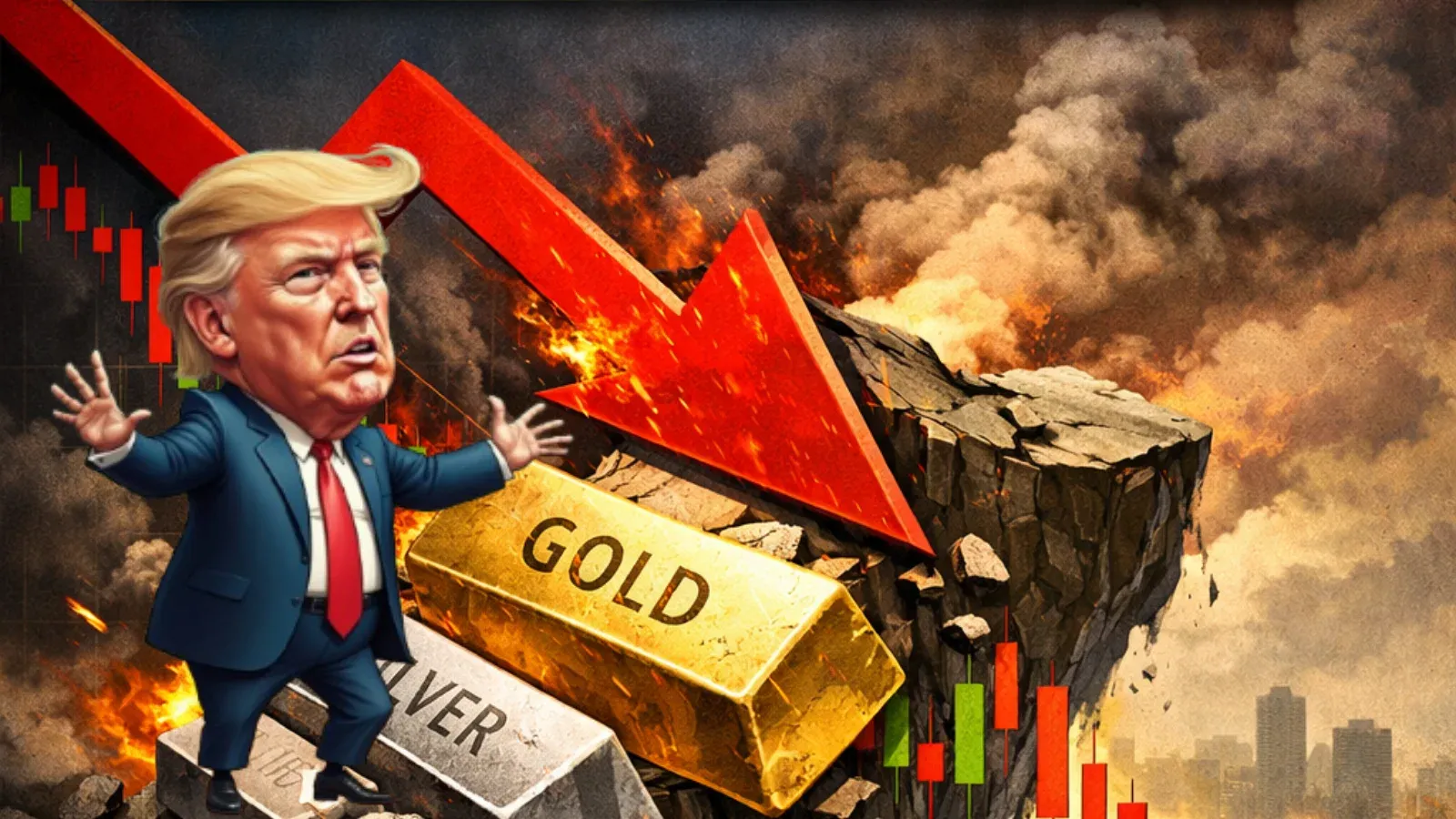
Gold and silver prices dropped 5% and 13% respectively on Monday and Tuesday. Image: Shutterstock.
Capital markets are bleeding across the globe, and so are the precious metals, as the crisis in West Asia is escalating faster than anticipated. Investors are looking for shelter amid the intense selling pressure and are finding no respite, as precious metals also experienced a sharp plunge since the crisis broke out in the previous week. Investors are witnessing a dichotomy from conventional investing wisdom of parking money in gold and silver during crisis times like these.
Gold and silver prices have already been on top of everyone’s mind in 2025, with the spectacular returns they delivered. Considering the gloomy outlook amid the current crisis for the global economy, investors expect haven metals to outperform. However, the prices of gold and silver have corrected over 10% since the crisis broke out in Iran, Israel and the rest of the Middle East. Here is why
Inflation returns?
The answer to the divergence between how the gold and silver prices are behaving in the crisis vs conventionally how they should, is not straightforward. Gold and silver prices today are influenced by multiple factors, such as global economic conditions, liquidity, currency fluctuations and demand-supply metrics. Most of the 2024-25 rally was primarily driven by worries around the US economic stability, demand-supply gap, among others. In the current scenario, inflation fears are influencing the gold and silver prices indirectly.
The West-Asia crisis has led to a sharp surge in energy prices, reviving inflation fears. A higher inflation rate would lead to global tightening of liquidity if the energy prices stay elevated persistently. The higher inflation could lead to higher interest rates and a tighter liquidity scenario across major economies.
Higher interest rates
As central banks raise interest rates to tackle inflation, the excess liquidity in the markets would go back to safe-haven assets like bonds. Here, one might expect the flight of money to be gold and silver as well. However, as money moves back to US treasuries, it makes the dollar stronger and metals weaker.
Consequently, we have seen a sharp fall in equities across the globe, especially in South Korea and Japan, where the populist measures led to a sharp rally in equities, and are now witnessing sharp declines as well. On the other hand, the dollar index surged 2% in a similar period, underscoring the fact that money is moving back to US treasuries. Gold and dollar have an inverse relationship since gold is denominated in dollar The US 10Y traded at 4.05%, jumping from 3.98% in two trading sessions.
What lies ahead?
Is this the end of the gold and silver rally? Again, the answer is not straightforward ‘yes’ or ‘no’. The gold and silver prices are trading at multi-year high prices, making them a riskier bet in comparison to the treasury yields. Secondly, the gold and silver prices may see higher volatility in crisis times like today, and the institutional capital would want a stable and low-risk avenue to park the capital until the crisis ends.

About The Author
Next Story