Market News
HDFC Bank declines after foreign investors cut 2.43% stake in September quarter; shares down 29% YTD

3 min read | Updated on October 08, 2026, 10:59 IST


SUMMARY
HDFC Bank shares declined on October 8, as the latest shareholding pattern data showed that foreign investors cut their stakeholding in the private sector lender.
Stock list
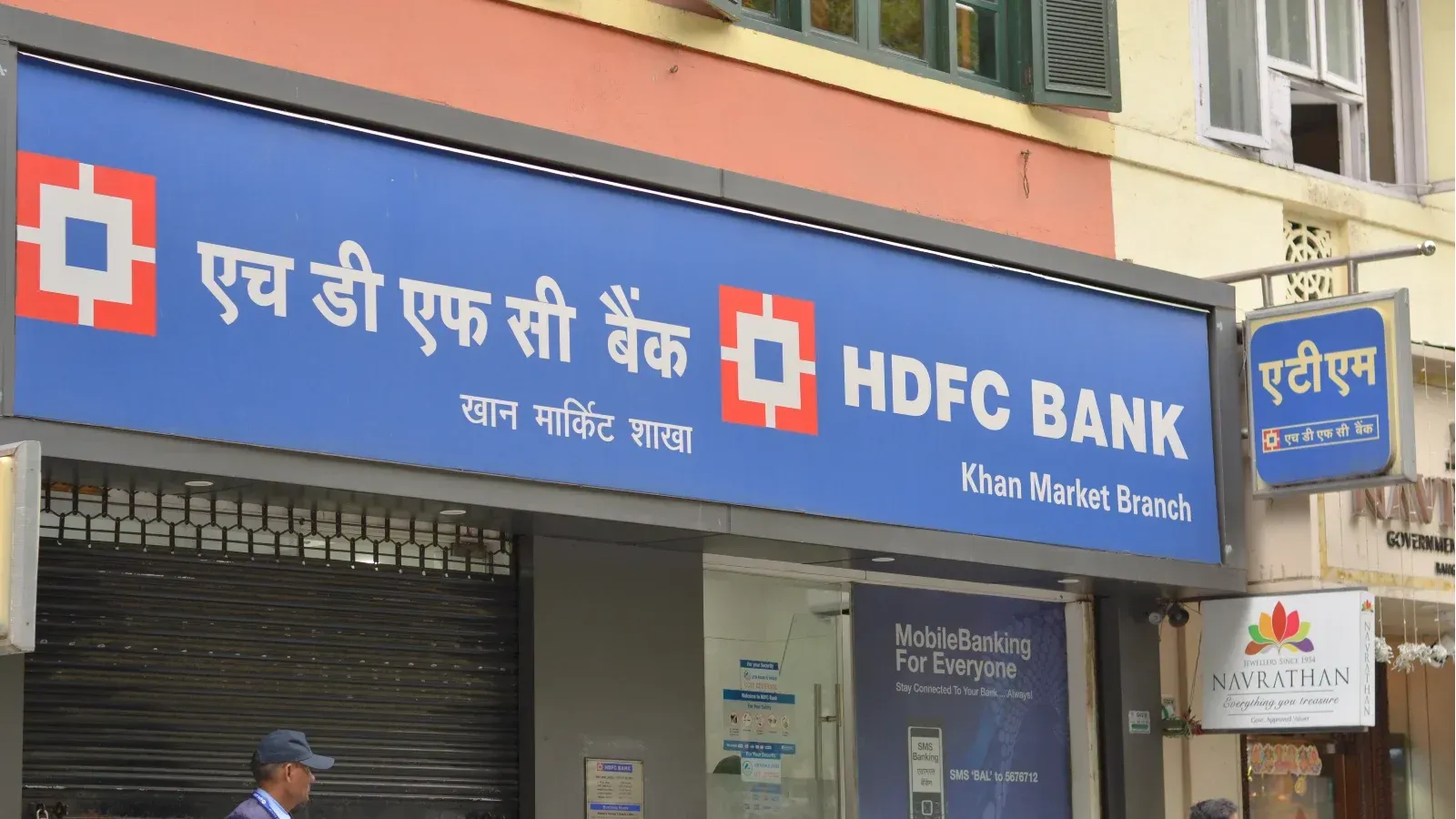
Foreign investors cut a total of 2.43% stake in HDFC Bank in the July to September quarter of FY2026-27.
India’s largest private sector lender, HDFC Bank, shares declined on Thursday, October 8, after foreign institutional investors reduced their stakeholding by 2.43% in the July to September quarter of FY27.
After the opening bell, HDFC Bank’s stock declined 0.58% to hit an early market low of ₹698.65 apiece on Wednesday’s market, in comparison to ₹702.75 apiece at the previous equity market close, as per NSE data.
Trading activity surpassed 3.6 million equity shares as of the morning deals across both NSE and BSE combined, as investors focused on dented sentiment after the FII stake sale move in the latest shareholding data release.
During the pre-market hours on NSE, HDFC Bank share price was trading on a mixed note ahead of the opening bell on October 8.
The exchange data showed that foreign investors reduced their overall stake in HDFC Bank by 243 basis points to a 39.40% stakeholding in the July to September quarter of FY27, from earlier 41.83% levels back at the end of the April to June quarter of the current fiscal year.
HDFC Bank shares closed 1.22% lower at ₹702.75 apiece after Wednesday’s trading session, in comparison to ₹711.45 apiece at the previous market close, as per the exchange data.
HDFC Bank’s shareholding pattern
The latest shareholder pattern data as of the quarter ended September 2026 showed that the 2.43% stake which was sold by the foreign investors was largely picked up by the domestic institutional investors along with other public shareholders.
Domestic institutional investors' stakeholding increased to 43.63% as of Q2 FY27, from earlier 41.92% levels as of the end of the June quarter of FY27.
The shareholding by other public shareholders also increased to 16.97% as of the end of the September quarter, in comparison to a 16.25% stakeholding in the quarter ended June 2026.
| List of Shareholders | Q2 FY27 | Q1 FY27 |
|---|---|---|
| Domestic Institutional Investors | 43.63% | 41.92% |
| Foreign Institutional Investors | 39.40% | 41.83% |
| Government + Other Public Shareholders | 16.97% | 16.25% |
Stock down 29% YTD
NSE data showed that HDFC Bank shares have lost 29% of their value on a year-to-date (YTD) basis in 2026 and have largely given flat returns in the last one-month period. The banking stock was down 2.5% in the last five market sessions.
On a longer-term basis, HDFC Bank stock price has lost 12.3% in the last five years, and has declined more than 8% in the last three-year period. The exchange data also showed that the company’s stock was down 28% in the past one year.
Shares of the private sector lender surged to its 52-week high of ₹1,020.50 apiece on October 23, 2025, while the 52-week low was at ₹681.90 apiece on September 11, 2026.
HDFC Bank’s market capitalisation (m-cap) was at over ₹10.83 lakh crore as of the stock market close on Wednesday, October 7, 2026.
Related News

About The Author
Next Story