
Market News
CG Power, Kaynes, Moschip Tech: Chip stocks rally as PM bets big on India’s semiconductor push

5 min read | Updated on August 17, 2026, 18:07 IST


SUMMARY
Prime Minister Narendra Modi on Saturday, August 15, said India has already begun production at three semiconductor plants, and five to eight more plants are expected to come up in the coming years.
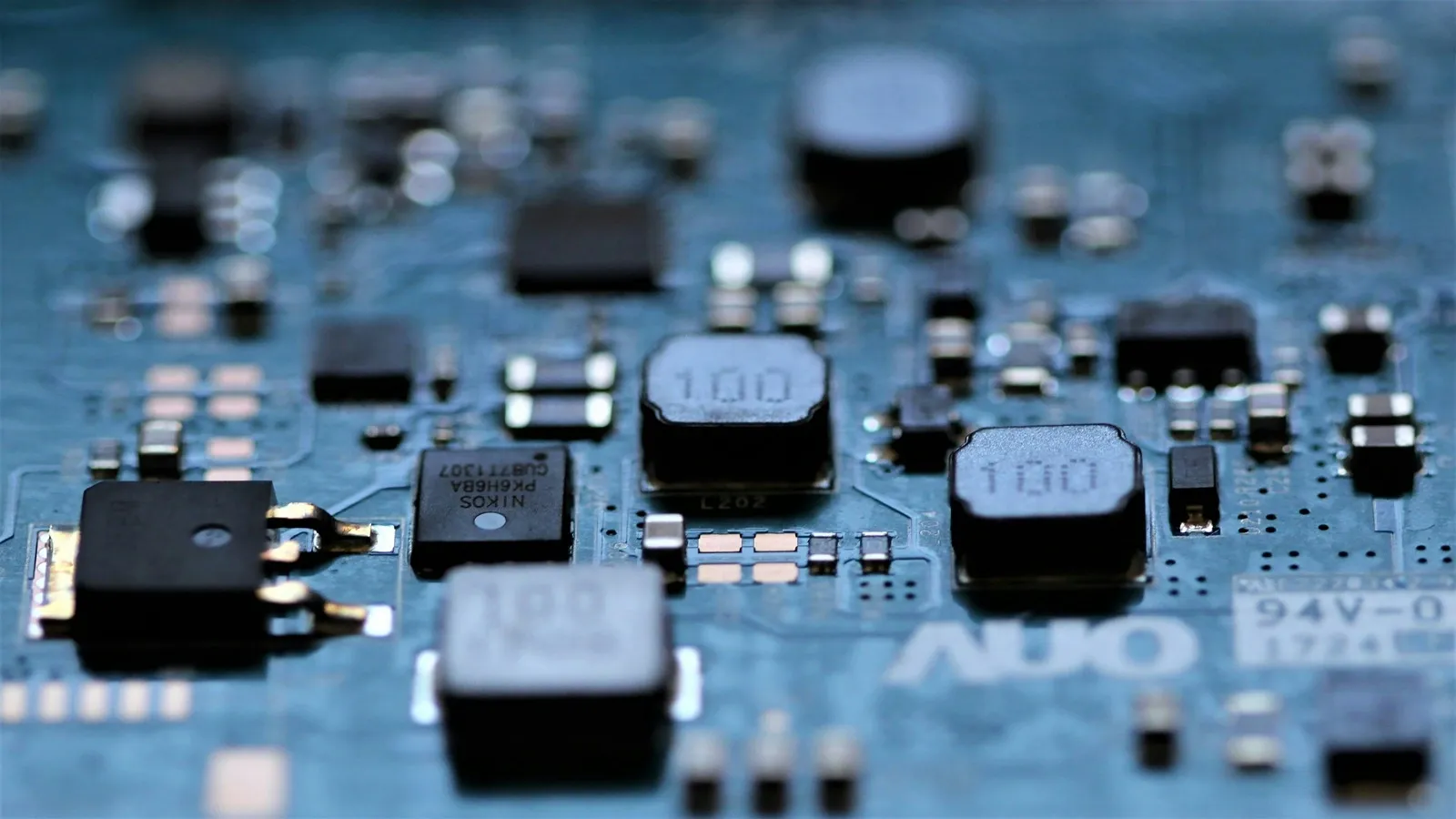
Semiconductor chips are essential to electronics, healthcare, transport and virtually every modern technology. Image: Unsplash
Semiconductor stocks such as CG Power, Kaynes Technology India, Dixon Technologies, Tata Elxsi, and Moschip Technologies were trading with gains on Monday, August 17. This is because Prime Minister Narendra Modi on Saturday, August 15, said India has already begun production at three semiconductor plants, and five to eight more plants are expected to come up in the coming years.
Addressing the nation from the ramparts of the historic Red Fort on the 80th Independence Day, the prime minister said India's semiconductor journey reflects its growing technological self-reliance.
"Three semiconductor plants have started. I have been told that exports have started from the production that has commenced there. I want to tell citizens, in the coming seven to eight years, 5 to 8 more are going to start," Modi said.
The government rolled out the Semicon India Programme (Semicon 1.0), which was approved in December 2021 with an outlay of ₹76,000 crore.
It was launched to build a domestic semiconductor and display manufacturing ecosystem. Building on it, Semicon 2.0 has been approved in July, 2026, with a total outlay of ₹1,27,500 crore.
As many as 12 semiconductor projects have been approved across six states under Semicon 1.0, with investment commitments exceeding ₹ 1.64 lakh crore.
Of the 12 approved proposals, three companies -- Micron, Kaynes, and CG Semi -- have already started commercial production. One more company is expected to begin operations in 2026, further strengthening India's semiconductor manufacturing base.
Semiconductor chips are essential to electronics, healthcare, transport and virtually every modern technology, the prime minister said.
Stocks in focus
Following Prime Minister Narendra Modi's announcement that India will add 5–8 more semiconductor plants over the next 7–8 years, these semiconductor-linked stocks are likely to remain in focus as investors track beneficiaries of the domestic chip manufacturing ecosystem.
How stocks were faring in morning trade
At 10:26 AM, Moschip Technologies shares were trading 1.48% higher at ₹211.39 apiece on the NSE, while CG Power and Industrial Solutions was up 0.43% at ₹894.
Dixon Technologies (India) was up 0.3% at ₹14,172 on the NSE, and Kaynes Technology India was up 1% at ₹3,697.20.
What the PM said
PM Modi noted that for years, the country discussed semiconductors, but lacked large-scale semiconductor manufacturing facilities.
Recognising the strategic importance of chips, the prime minister said India has taken decisive steps towards self-reliance in semiconductors.
The government's ₹ 1.27 lakh-crore Semicon 2.0 programme aims at supporting semiconductor IP, chip and system designs to strengthen India's position as a global semiconductor design hub.
The prime minister said that electronic manufacturing has increased sevenfold, mobile phone production has increased 33-fold, internet users have increased four times, and digital transactions have increased 100 times.
PLI scheme for Large Scale Electronic Manufacturing (LSEM) -- meant to boost mobile phone manufacturing -- has attracted around ₹96,000 crore in the segment. Global majors like Apple, Google, and Foxconn have started mobile phone production in the country.
Key details
According to official data, smartphones became India's top individual exported commodity in FY 2025-26, surpassing petroleum, gems and jewellery.
In July, the government approved a mobile phone manufacturing scheme, considered an extension of the LSEM scheme, with a ₹62,500 crore budget. It focuses on boosting production, domestic value addition, supply chain resilience and global competitiveness.
The prime minister stressed on the need for quality manufacturing and the need for India to emerge as a trusted partner for the global supply chain.
He said that new areas of quantum computing, artificial intelligence, space, and data centres have emerged in the present time.
The government has put in place the IndiaAI Mission with an outlay of about ₹10,372 crore.
As of June 2026, the IndiaAI Mission has expanded shared computer capacity to over 45,000 Graphics Processing Units (GPUs) -- the fastest category of computer required to support development and expansion of AI technology.
By August this year, 237 projects had accessed subsidised AI computing, covering 93.18 lakh GPU hours to provide affordable high-performance computing for AI model development, training, testing and research, lowering entry barriers for Indian researchers, startups and innovators.
As of July 2026, the Indian government approved 13 responsible AI projects under the safe and trusted AI pillar of the IndiaAI Mission.
Related News


About The Author
Next Story

