Market News
Union Budget 2026: Agri leaders urge technology push and climate-resilient infrastructure; check full list
.png)
4 min read | Updated on January 23, 2026, 12:40 IST


SUMMARY
Budget 2026: With agriculture and allied sectors supporting about 45% of India's workforce while contributing only around 18% to the gross value added, industry voices say Budget 2026-27 presents a critical opportunity to reposition the sector as an engine of economic growth rather than just a welfare concern.
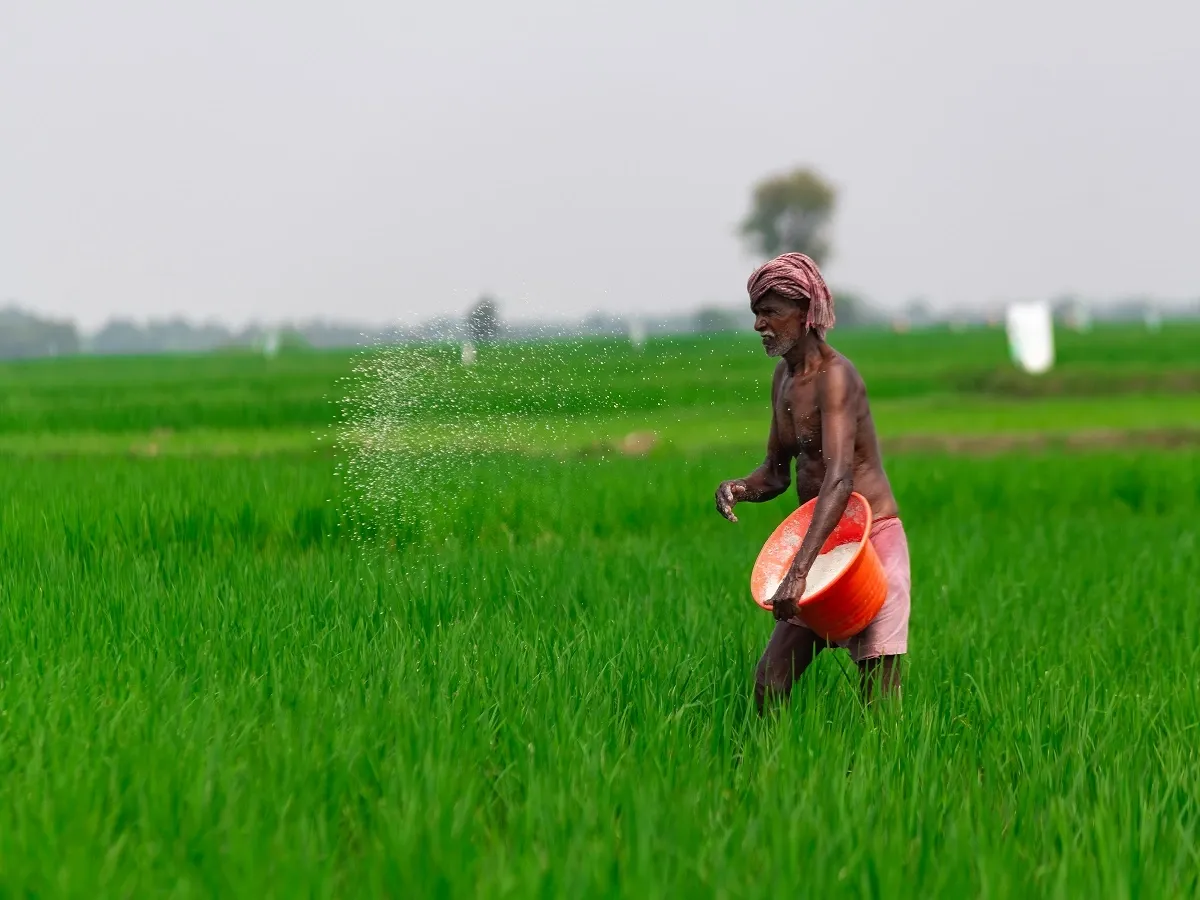
Investments in agritech adoption, supply chain efficiency, and rural credit access could help stabilise farm incomes, say experts. | Image: Shutterstock
Union Budget 2026 (FY27) will be presented on Sunday, February 1, by Finance Minister Nirmala Sitharaman.
Agri Sector in India: Key details
With agriculture and allied sectors supporting about 45% of India's workforce while contributing only around 18% to the gross value added, industry voices say Budget 2026-27 presents a critical opportunity to reposition the sector as an engine of economic growth rather than just a welfare concern.
"Agriculture is increasingly being recognised not merely as a welfare sector, but as a credible engine of economic growth -- one that can drive productivity, employment, rural demand and resilience," said Amit Vatsyayan, Leader, GPS-Agriculture, Livelihood, Social and Skills at EY India.
Dairy sector: Key demands
Heritage Foods Ltd Executive Director Brahmani Nara pointed to favourable conditions created by the September 2025 GST rationalisation, which has accelerated consumer preference for high-protein, health-focused products like paneer, cheese, ghee, and butter in the organised dairy segment.
With government initiatives like the Rashtriya Gokul Mission and National Digital Livestock Mission integrating over 3,00,000 farmers into the organised ecosystem, Nara outlined three key budget requests. They are as below:
-
subsidised access to quality feed and chromosome-sorted semen to boost animal productivity;
-
expanding veterinary college capacity to bridge the gap between India's 68,000 registered veterinarians and the requirement of 110,000-120,000; and
-
increased capital subsidies for mini-dairy units, particularly for women entrepreneurs.
Green infrastructure and tech adoption are key
Vatsyayan emphasised the need for scaling green infrastructure and climate-resilient irrigation through investments in micro-irrigation, watershed management, aquifer recharge and renewable-powered agri assets.
"From a growth lens, these interventions also act as strong multipliers -- stimulating rural demand, stabilising farm incomes and strengthening food security," he said in a statement.
He also called for expanding public-private partnerships in storage, logistics and agri R&D to reduce post-harvest losses and focused investments in seed systems to achieve self-reliance in pulses and other nutrition-sensitive commodities.
Drawing from international experience, particularly Japan's farmer school model, Vatsyayan suggested adapting to cluster-based farmer schools anchored in FPOs and Krishi Vigyan Kendras to accelerate technology adoption.
Digital infrastructure push
MapMyCrop Founder and CEO Swapnil Jadhav urged the government to champion digital infrastructure and seamless credit linkages to propel precision agriculture at scale.
"Agri-drones, IoT sensors, and AI-driven analytics hold transformative potential to elevate yields, optimise water and fertiliser use, and fortify climate resilience for 140 million farm holdings," he said.
Jadhav called for targeted subsidies, robust PPPs and R&D tax incentives to fast-track integration with national platforms like AGMARK-NET and e-NAM, helping India pivot from input-heavy subsidies to a tech-powered agriculture ecosystem.
Structural reforms needed
BDO India Partner for Agriculture Soumyak Biswas highlighted persistent structural challenges, including small and fragmented landholdings, inadequate investment in allied sectors, high post-harvest losses, and underfunded research.
He outlined priorities including scaling climate-smart agriculture by increasing funding for DARE, strengthening allied sectors like livestock and fisheries, empowering FPOs through market-linked strategies and credit guarantees, and incentivising diversification into horticulture, pulses and oilseeds to reduce overdependence on water-intensive crops.
Vatsyayan said the effective roll-out of AGRISTACK as a digital public good could serve as the backbone of this transformation.
"By integrating farmer data, land records, credit, insurance, extension and market platforms, AGRISTACK can enable precision targeting, reduce transaction costs and crowd in private investment," Vatsyayan added.
What market experts say
Sonam Srivastava, founder and fund manager at Wright Research PMS, says that the focus should shift from price support to productivity. Incremental allocations toward irrigation, agri-infrastructure, warehousing, and crop insurance reforms would be far more impactful than higher MSPs alone.
Investments in agritech adoption, supply chain efficiency, and rural credit access could help stabilise farm incomes without distorting markets, which would be structurally positive for rural consumption over the medium term.
Related News

About The Author
Next Story