Market News
Budget 2026-27: MMTC-PAMP seeks duty parity for metal refining sector; check details
.png)
3 min read | Updated on January 27, 2026, 19:49 IST


SUMMARY
To boost India's global standing in refining and increase the number of London Bullion Market Association-accredited refiners, the government needs to provide input-related benefits through duty differentials, either via the FTA route or by widening the existing differential, the MMTC-PAMP Managing Director and CEO said.
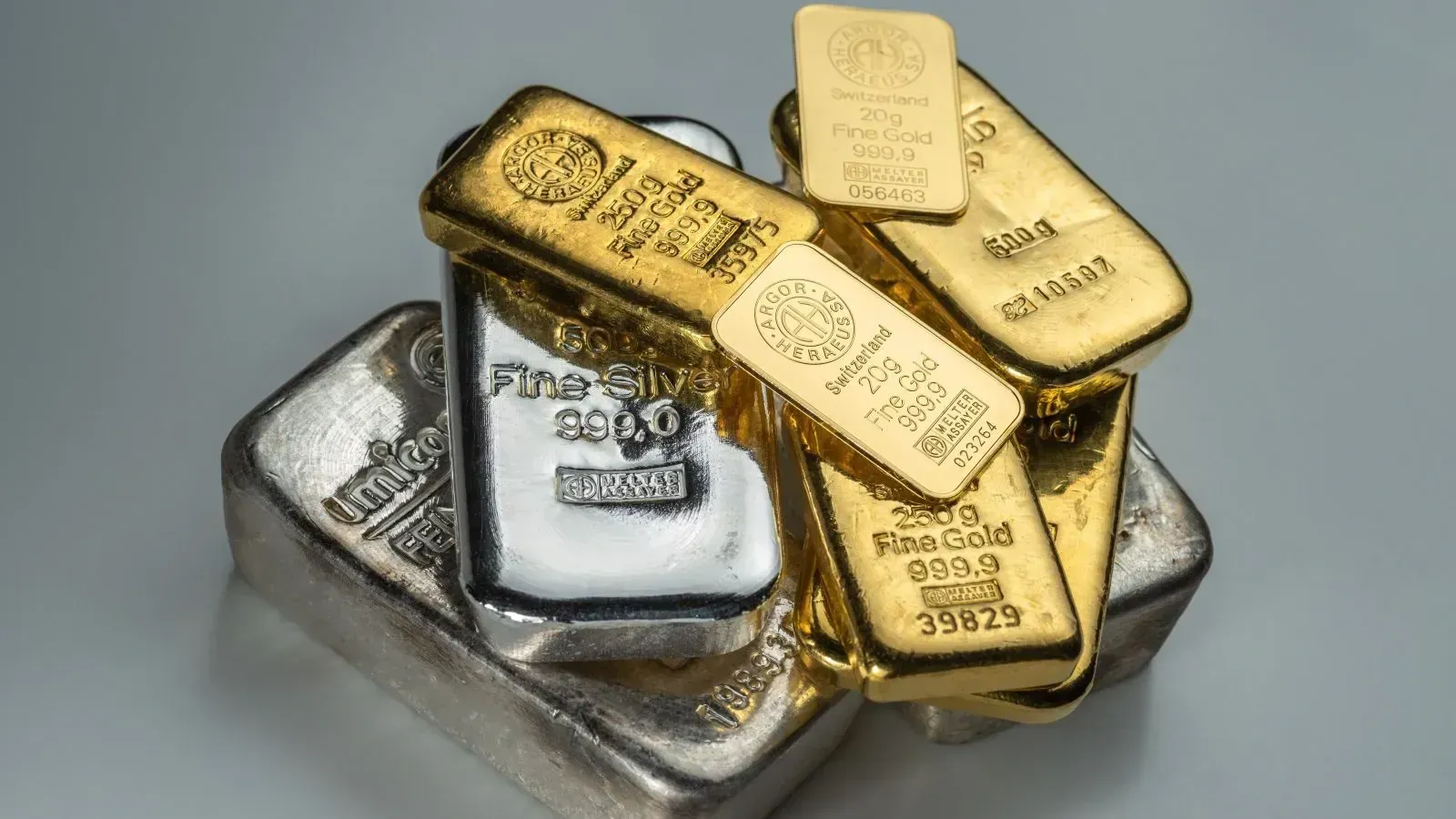
MMTC-PAMP primarily imports gold in dore form as a refiner, with gold-silver imports historically in a 1:1 ratio. | Image: Shutterstock
Budget 2026-27: The global precious metal refining market's value stood at $5.2 billion in 2025 and is projected to reach $7.8 billion by 2035. It is projected to grow at a compound annual growth rate (CAGR) of 4.3% in the 2026-35 forecast period, according to a report by Global Research Consulting.
In particular, the gold refining segment holds the largest share globally due to its widespread applications across jewelry, electronics, investment bullion, and industrial uses. Its high demand in emerging and developed economies, particularly in Asia-Pacific countries such as China and India, where cultural and investment preferences favor gold, ensures consistent market expansion, the report adds.
The precious metal refining sector expects the government to address duty disparities that put domestic refiners at a disadvantage compared to imports through free trade agreements, Samit Guha, MMTC-PAMP Managing Director and CEO, said.
"One of the expectations we've had as not just MMTC-PAMP, but as the whole precious metal refining sector has seen this disparity, which is there in duty, especially through the SEPA route between what we get as Dore versus what refined bullion is imported at," Guha stated.
The duty gap puts refiners at a significant disadvantage, though the government appears to be aware of the issue, he said.
FTAs signed after the Single Euro Payments Area (SEPA) have excluded bullion, and the industry hopes future trade agreements follow the same approach by not including gold and silver in lower duty structures.
To boost India's global standing in refining and increase the number of London Bullion Market Association-accredited refiners, the government needs to provide input-related benefits through duty differentials, either via the FTA route or by widening the existing differential, Guha said.
"We would request the government to see what they can do in terms of either input-related benefits, in terms of duty differentials...which will really encourage local refiners to invest in the refinery and get ROIs and up their refining capacity and capability to a global level," he added.
MMTC-PAMP is ready to support the government or ministry from a technical standpoint, given its expertise in running an LBMA refinery, he added.
Currently, dore duty stands at 6% for both gold and silver, with refiners getting a 0.65% duty differential, making the effective rate 5.35%.
MMTC-PAMP primarily imports gold in dore form as a refiner, with gold-silver imports historically in a 1:1 ratio. The company imported around 40 tonnes of gold and 50 tonnes of silver in fiscal 2024-25.
During April-December of the current fiscal year, imports totalled 36 tonnes of gold and 60 tonnes of silver, reflecting overwhelming silver demand, Guha said.

About The Author
Next Story