Market News
After surging 142% since 2023, gold price surge is consistent with bubble-like behaviour, says RBI

5 min read | Updated on April 09, 2026, 15:00 IST


SUMMARY
The Reserve Bank of India, in its recent policy report, said that the surge in gold price is consistent with a bubble-like behaviour in the market, with evidence suggesting that the rates have entered a significant price escalation phase since 2025.
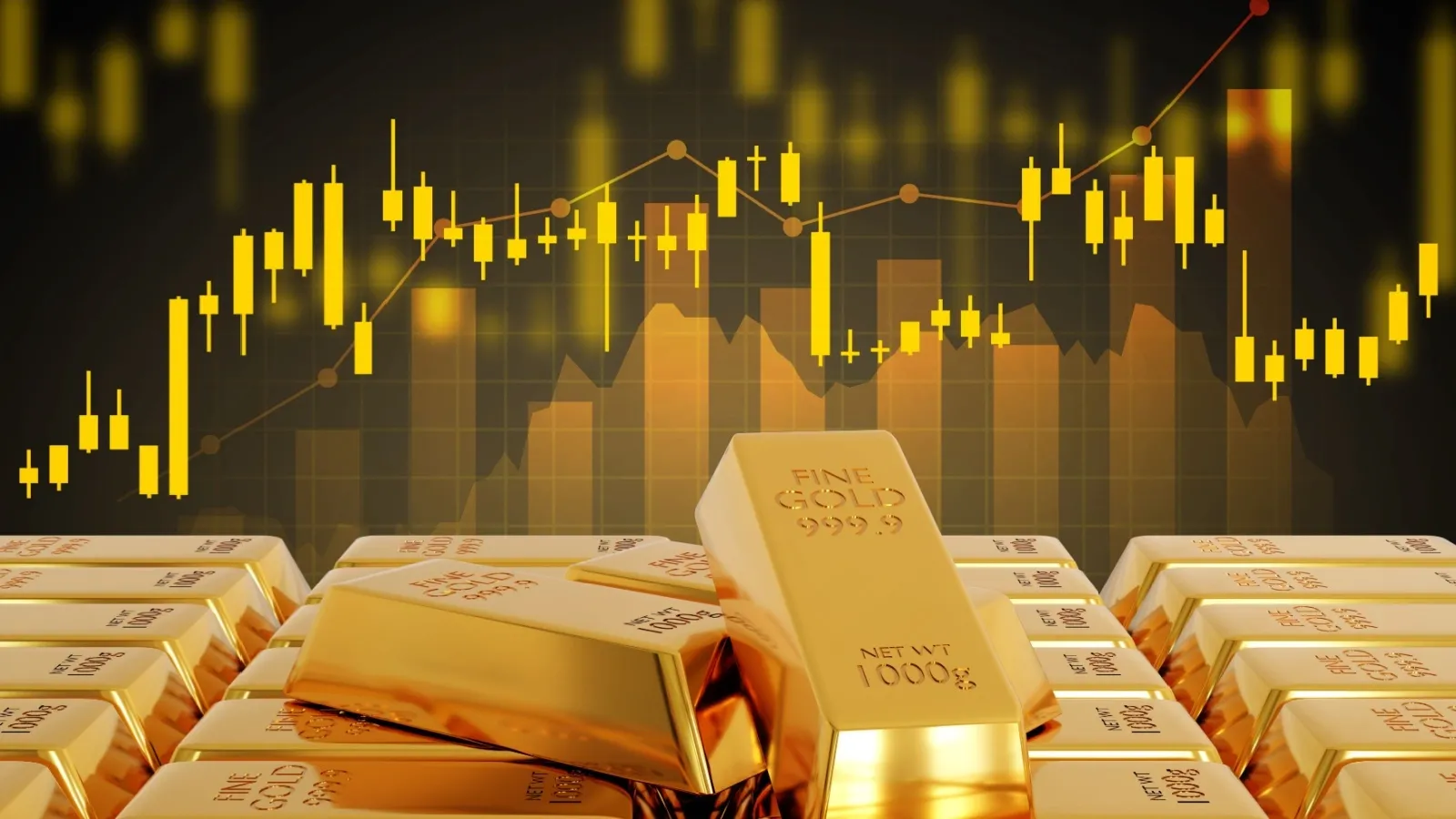
MCX gold was trading 0.2% or ₹311 per 10 grams higher at ₹151,465 per 10 grams as of 1:24 pm on Thursday, April 9.
Gold has been rallying over the last two years, surging more than 142% from its level seen at the end of 2023. With a strong rally in the yellow metal, investors often question whether the yellow metal has formed a bubble.
The Reserve Bank of India (RBI), in its latest monetary policy report released on April 8, 2026, highlighted that the precious yellow metal gold prices have built up to a bubble-like position over the past year, with evidence suggesting that the rates have entered a significant price escalation phase.
Rally in gold prices
Gold prices have witnessed a significant rally since the end of the calendar year 2023, with central banks across the world, like those of China, India, and Brazil, among others, buying high volumes of the precious metal to hold as reserves.
The escalating geopolitical tensions, like conflict in West Asia, Israel’s attack on Gaza, the Houthis' attacks in Yemen, a weakening benchmark US dollar, and the increasing expectations of monetary policy easing, contributed to the factors fuelling the rally in gold to its record high levels earlier this year.
Along with these factors, the US Federal Reserve's shifting its monetary policy stance in 2025, switching to an easing cycle, resulted in propelling the demand for non-interest-yielding assets like gold.
Commodity market data showed that the global gold prices surged from $2,060 per ounce at the end of 2023 to over $5,000 per ounce by February 2026, with the latest catalyst being fear looming over investors of a supply disruption in the Strait of Hormuz.
“While part of this increase reflects strong safe-haven demand and heightened uncertainty, the pace and persistence of the rise suggest the possibility of the build-up of bubble-like dynamics during 2025,” according to RBI’s monetary policy report.
Gold prices snapshot
On April 9, the New York Mercantile Exchange-based COMEX gold prices were down 0.83% at $4,737 per ounce, compared to $4,777.20 per ounce at the previous market close, according to the official data.
In India, the gold prices on the Multi-Commodity Exchange (MCX) were trading 0.2% or ₹311 per 10 grams higher at ₹151,465 per 10 grams as of 1:24 pm on Thursday, compared to ₹151,776 per 10 grams at the previous market close, according to the official data.
Data collected from the Bloomberg US dollar spot index showed that the greenback was trading 0.06% lower at 99.076 as of 3:48 am (EDT) on April 9, compared to 99.133 at the previous currency market close.
The gold prices are volatile in the commodity market due to the impact of the dynamic rates of the US dollar amid US President Donald Trump’s two-week ceasefire announcement with Iran on April 8.
Since the beginning of the US-Iran conflict on February 28, the gold prices have lost more than 8% or ₹13,883 per 10 grams, dropping to ₹151,776 per 10 grams as of the commodity market close on April 8. The gold prices were at ₹165,659 per 10 grams as of the market close on Friday, February 27.
Although the precious metal has lost major value since the beginning of the conflict, the renewed demand for the safe-haven asset is being driven by the inverse relationship with the US dollar rates. Traders are fuelling the demand for gold due to the lower dollar rate in the market, as they will be able to purchase more of the precious metal at a lower price.
Are gold prices in a bubble?
RBI explained that a “bubble” refers to a rapid, explosive rise in prices, which is followed by a sharp correction in the market. However, the central bank also acknowledged that detecting a bubble in the market is tricky, considering there is no conclusive evidence that, post‑surge, there comes a crash.
However, the report mentioned that gold prices entered a significant phase of price escalation in 2025, which RBI termed as consistent with bubble-like behaviour, in which a sharp and persistent price surge points to a potential increase in underlying risks for the asset.
“The evidence suggests that gold prices entered a significant phase of price escalation in 2025, consistent with bubble-like behaviour, with the sharp and persistent price surge pointing to pronounced market exuberance and a possible increase in underlying risks,” said RBI in its monetary policy report.
The central bank also cited results using the Right-tailed Augmented Dickey-Fuller (RADF) tool, which indicated a move above the 95% critical threshold level in 2025. This move signals a period of statistically significant explosive dynamics in gold prices.
The RADF is an econometric tool based on statistics, which is used to test and detect asset price bubbles in the market in case of an ‘explosive’ rise in prices. The tool looks at monthly data from the year 1960 onwards, searching for explosive behaviour in gold prices.
Although this method is not a conclusive test for bubbles in the market, it suggests that the explosive behaviour is driven by shifts in fundamentals, structural breaks or volatility clustering.
“A sharp correction in gold prices can trigger margin calls and liquidation of leveraged positions, forcing investors to sell other financial assets and imparting volatility across markets,” said the RBI in its report.
As the gold prices remain highly volatile, if a bubble is found, the repercussions of the same will also re-evaluate other asset classes like equities, bonds, and currencies.
Related News
About The Author
Next Story