Market News
NSE IPO: Will STT hike in F&O impact the bourse's public offer? Check what Ashish Kumar Chauhan says
.png)
3 min read | Updated on February 02, 2026, 09:47 IST


SUMMARY
NSE IPO: The hike in STT is aimed squarely at high-volume derivative trading, rather than the cash equity market, and is expected to meaningfully increase transaction costs for active and short-term trading strategies.
Stock list
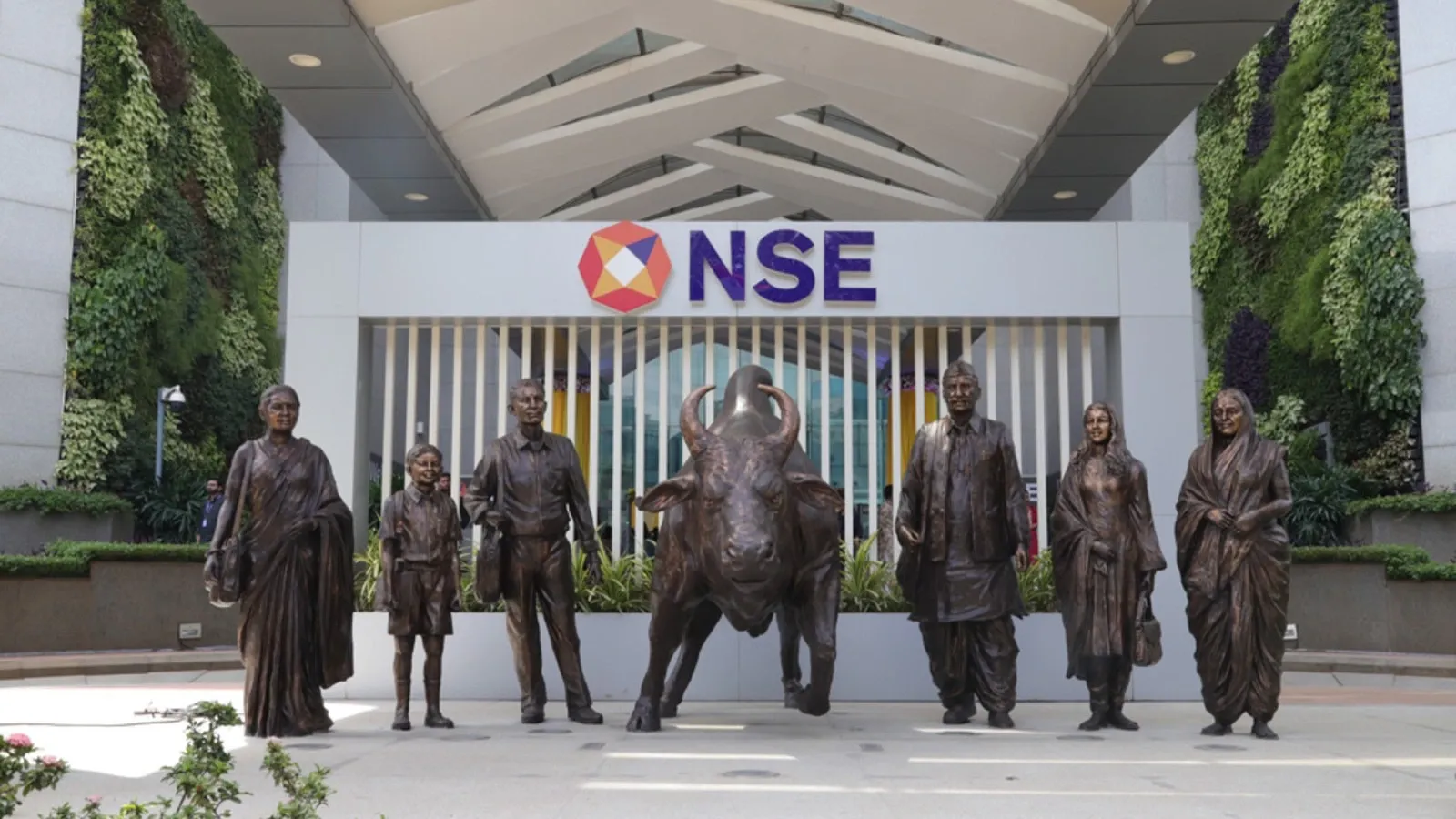
Market experts believe the move could help curb excessive speculative activity and encourage a more balanced market structure. | Iamge: Shutterstock
In her Budget speech for 2026-27, FM Sitharaman said the STT on futures contracts would be raised to 0.05% from 0.02%.
"STT on options premium and exercise of options are both proposed to be raised to 0.15% from the present rate of 0.1% and 0.125%, respectively," she said.
Additionally, the government will tax buyback proceeds for all types of shareholders as capital gains, Sitharaman said.
The hike in STT is aimed squarely at high-volume derivative trading, rather than the cash equity market, and is expected to meaningfully increase transaction costs for active and short-term trading strategies.
What leading stock exchanges said
Markets are used to tweaks in taxation, and the adverse impact of the steep hike in securities transaction tax (STT) will not last long, leading bourses said on Sunday.
However, as regards its long-awaited initial public offering (IPO), NSE, the largest stock exchange, feels that the move to curb volumes will not have any impact on its upcoming IPO plans, its Managing Director and Chief Executive Ashish Kumar Chauhan said.
"What has been raised is the STT has been increased in a minor way. Broadly, markets are used to having STT on options, and this time it has also been increased on futures, but broadly, I do not see any large impact on the IPO of NSE or otherwise on asset valuations in the stock market going forward," Chauhan told PTI.
Rival BSE's Managing Director and Chief Executive S Ramamurthy said markets react in a "bit adverse" way whenever any such changes are proposed by the government and exuded confidence that gradually things will settle down.
"This is not the first time that STT has increased. When any such move is announced, the market reaction is a bit adverse to start with, and then it stabilises," Ramamurthy said.
Impact on FPIs
Market experts believe the move could help curb excessive speculative activity and encourage a more balanced market structure. However, some warn that it may dampen foreign portfolio investor (FPI) participation in the near term.
Analysts point out that FPIs have already remained cautious, with equity outflows exceeding ₹41,000 crore in January 2026 amid a global risk-off environment, elevated US bond yields, and currency-related pressures. Against this backdrop, a higher STT further compresses post-tax returns, reducing India’s appeal for short-term and derivative-focused foreign investors.
That said, the impact on long-only, fundamentally driven FPIs is expected to be limited. Their investment decisions are more closely tied to earnings visibility, currency stability, and policy predictability.
Even so, at the margin, higher transaction costs could prompt some global investors to tilt allocations toward other Asian markets, particularly as capital flows increasingly favour the US, Taiwan, and South Korea amid AI-led investment themes.
Related News

About The Author
Next Story