Market News
Crude oil prices jump to near $100/bbl over Hormuz Strait attacks amid IEA’s reserve release; Brent up 7%

3 min read | Updated on March 12, 2026, 08:07 IST


SUMMARY
Oil prices touched nearly $100 per bbl on early Thursday, as tensions loomed over the recent attacks in the Hormuz Strait. This comes amid the IEA's largest-ever emergency 400 million barrel oil reserve release.
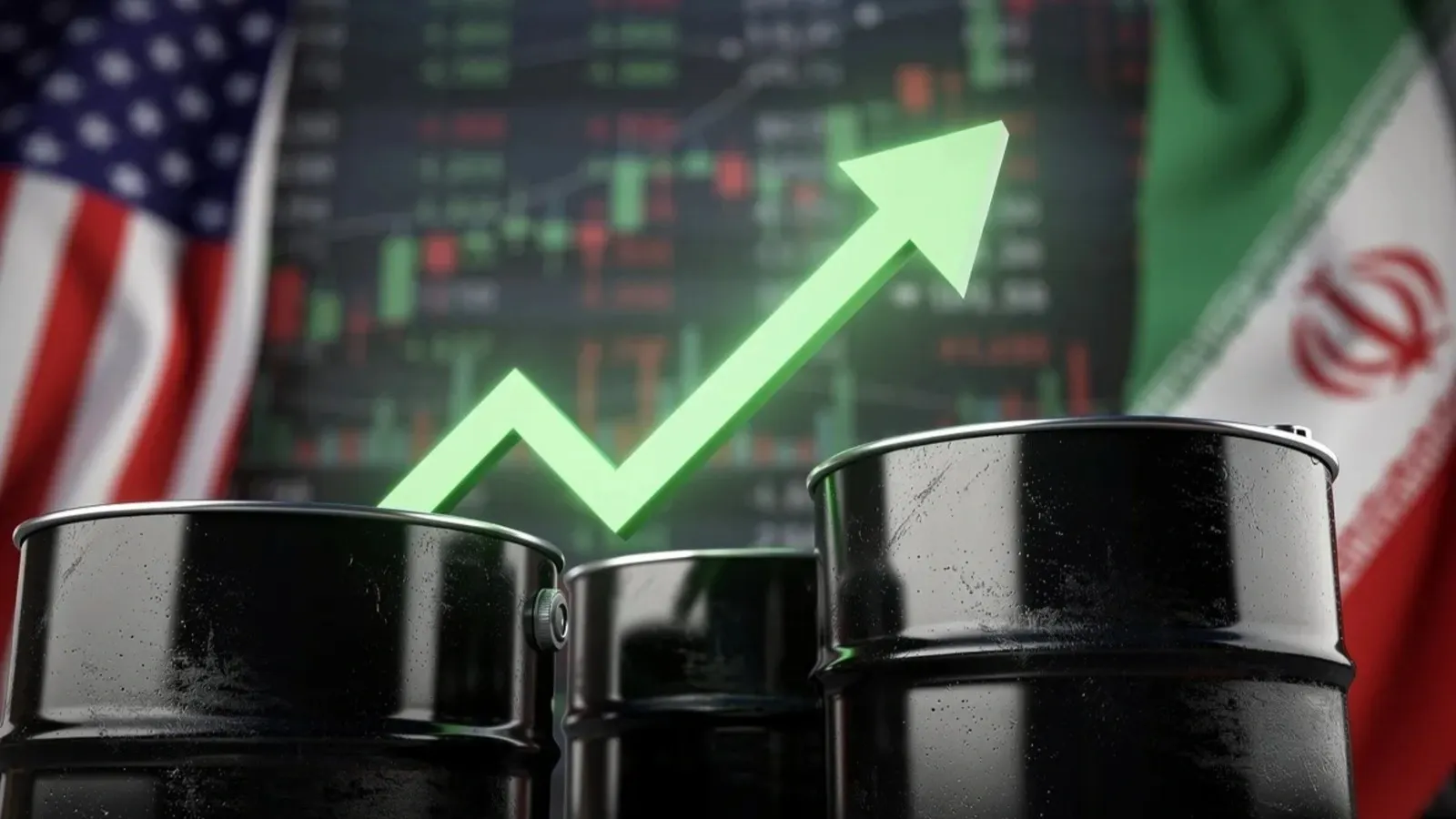
Crude oil prices in the global market jumped to near a $100 per barrel (bbl) level in the early trading session on Thursday, March 12, 2026.
Crude oil prices in the global market jumped to near a $100 per barrel (bbl) level in the early trading session on Thursday, March 12, 2026, as tensions loomed over the recent attacks in the Hormuz Strait, while investors weighed the impact of the International Energy Agency’s (IEA) largest-ever emergency oil reserve release.
After a brief cooldown in the energy prices, the rates surged during the early trading hours on March 12 as Brent crude oil futures jumped 6.9% to $99.5 per bbl, compared to $93 per bbl at the previous market close amid the rising tensions.
The West Texas Intermediate (WTI) crude oil also surged by 8.1% to $94.36 per bbl at 5:00 a.m. (IST), compared to the previous commodity market close level of $87.25 per bbl, according to the data collected from Investorgain.com.
Oil prices today
Investing.com data showed that Brent crude futures were trading 7.16% higher at $98.55 per bbl at 7:40 a.m. (IST), compared to the previous market close level of $91.98 during Thursday’s morning market session.
While the WTI crude futures were trading 7.3% higher at $93.70 per bbl at 7:45 a.m. (IST). compared to the previous market close of $87.25 per bbl, according to the data.
Why are oil prices rising today?
According to a WSJ report citing the UK Maritime Authority, three commercial ships were attacked in the Strait of Hormuz sometime on Wednesday. While a Reuters report also confirmed that two fuel tankers in Iraqi waters have been attacked by an explosive-laden Iranian boat.
This series of reported attacks comes after United States President Donald Trump’s intervention to destroy 10 inactive mine-laying boats near the Hormuz Strait after his threat to Iran.
On Wednesday, March 11, 2026, IEA announced that its member countries are releasing their largest emergency oil reserves of 400 million barrels from their strategic reserves amid the supply crunch due to the raging US-Iran conflict in West Asia.
Despite the update on the mega oil reserve release, the tensions have flared up again in the commodity market, as the recent attacks have the potential to further destabilise the geopolitical dynamics between the United States and Iran, further intensifying the conflict.
Although earlier this week, Trump gave investors a moment of relief announcing that the conflict with Iran is likely to be over “very soon” which cooled down oil prices over the last two days, the attack on Wednesday, along with further reports of Iran allegedly placing mines across the key trade passage of Strait of Hormuz are indicating a different situation now.
Iran exercises strategic control over this key trade route as geographically the waterbody is accessible by the nation which has been affecting the flow of trade through the Strait.
The Strait of Hormuz serves as a key global maritime trade chokepoint which is located in the Persian Gulf. This strategic location serves as one of the biggest trade routes for ships carrying oil from West Asian countries to the Eastern Hemisphere.
Related News

About The Author
Next Story