
Business News
Why your evening electricity is becoming India's biggest power challenge

3 min read | Updated on July 08, 2026, 23:50 IST


SUMMARY
A working paper by the Economic Advisory Council to the Prime Minister (EAC-PM) says India's power sector challenge has shifted from generating enough electricity to storing and supplying it after sunset.
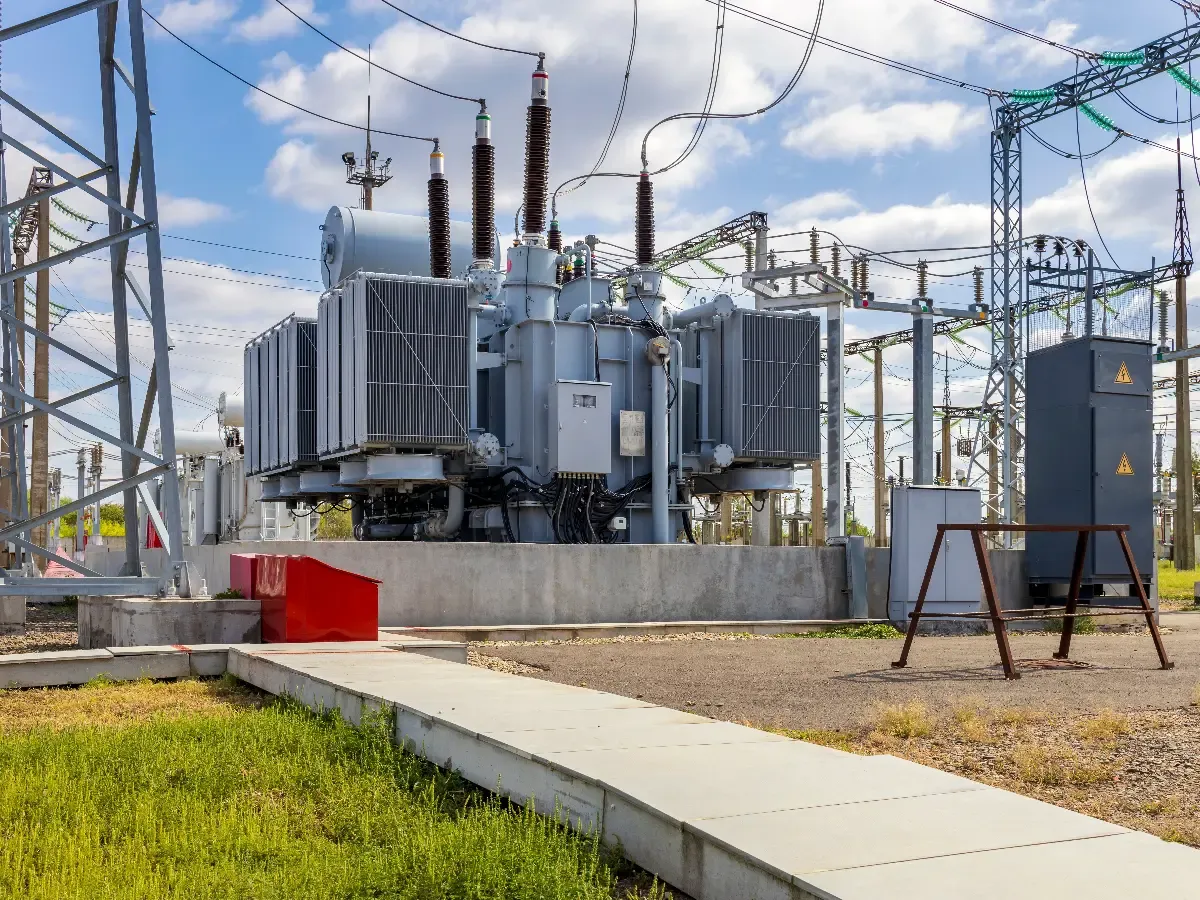
Across April and May, the grid failed to meet demand during evening peak hours on 36 of 61 days, compared with just six days during peak solar hours.
India's electricity challenge is undergoing a fundamental shift. The question is no longer whether the country can generate enough power, but whether it can supply enough electricity after sunset, when solar generation disappears just as households switch on lights, fans and air-conditioners.
A new working paper by the Economic Advisory Council to the Prime Minister (EAC-PM) says "the active constraint for the grid has shifted from generation capacity to flexibility", arguing that India's next big energy challenge is storing daytime solar power for use in the evening.
On May 21, a unit of power scheduled for delivery at 1:00 pm cleared at just ₹1.56 on the Indian Energy Exchange's day-ahead market. The same electricity, scheduled for 6:30 pm delivery, touched the exchange's ₹10 per unit price ceiling.
"The price did not hit its ceiling until 6:30 pm, once solar had faded. Peak demand and peak price often fall at different hours of the day," the paper noted, illustrating how the country's electricity stress has moved from the afternoon to the evening.
The report explained that as solar capacity has expanded rapidly, conventional power plants are increasingly required to perform a balancing act. They must sharply reduce output every morning as solar generation floods the grid and then ramp up equally quickly once the sun goes down.
"The whole of the country's night-time appetite falls on the conventional plants," it said, adding that solar "pushes the midday demand on conventional plants very low, but it does nothing for the evening peak".
The result is "a deep midday dip followed by a steep evening climb".
The paper describes this as the "duck curve" -- a term used by grid operators worldwide to depict the sharp fall in conventional electricity demand during the day followed by a steep evening rise.
That curve has become markedly steeper in India.
Between May 2023 and May 2026, the evening increase in electricity that conventional power plants had to supply almost doubled, rising from around 36 GW to nearly 74 GW. On the other hand, the morning reduction in output almost tripled as more solar power entered the system.
"The grid is being asked to work harder every year outside the solar hours," the authors write, warning that in both directions "the grid is being asked to swing harder and faster every year".
According to the report, "the market is signaling, in unambiguous terms, that the system already has more solar generation at midday than it knows what to do with".
That surplus is increasingly being wasted.
The paper said about 24 GWh of solar electricity was curtailed every day during May, equivalent to more than one-fourth of Delhi's average daily electricity consumption.
Calling the situation "the absurdity of solar curtailment", it said the grid is throwing away clean electricity during the afternoon "only hours before straining to meet its evening peak".
Data on power shortages tell a similar story.
Across April and May, the grid failed to meet demand during evening peak hours on 36 of 61 days, compared with just six days during peak solar hours.
"India is not running short of electricity in the middle of the day. Instead, the stress on the grid emerges when the sun is not shining. And the stress is increasing every year," the paper says.
The obvious solution, according to the authors, is storage.
"Store electricity when it is abundant and release it when it is scarce," the paper said, arguing that battery storage, pumped hydro, demand response and time-of-day tariffs will be essential if India is to continue expanding renewable energy without worsening evening grid stress.
About The Author
Next Story

