Business News
Why Iran cannot afford disruptions at South Pars gas field, and why the world is watching closely
.png)
3 min read | Updated on March 19, 2026, 13:15 IST


SUMMARY
South Pars gas field: The disruption to the world’s largest gas reserve—shared by Iran and Qatar—has raised concerns over global supply, pushing up gas prices.
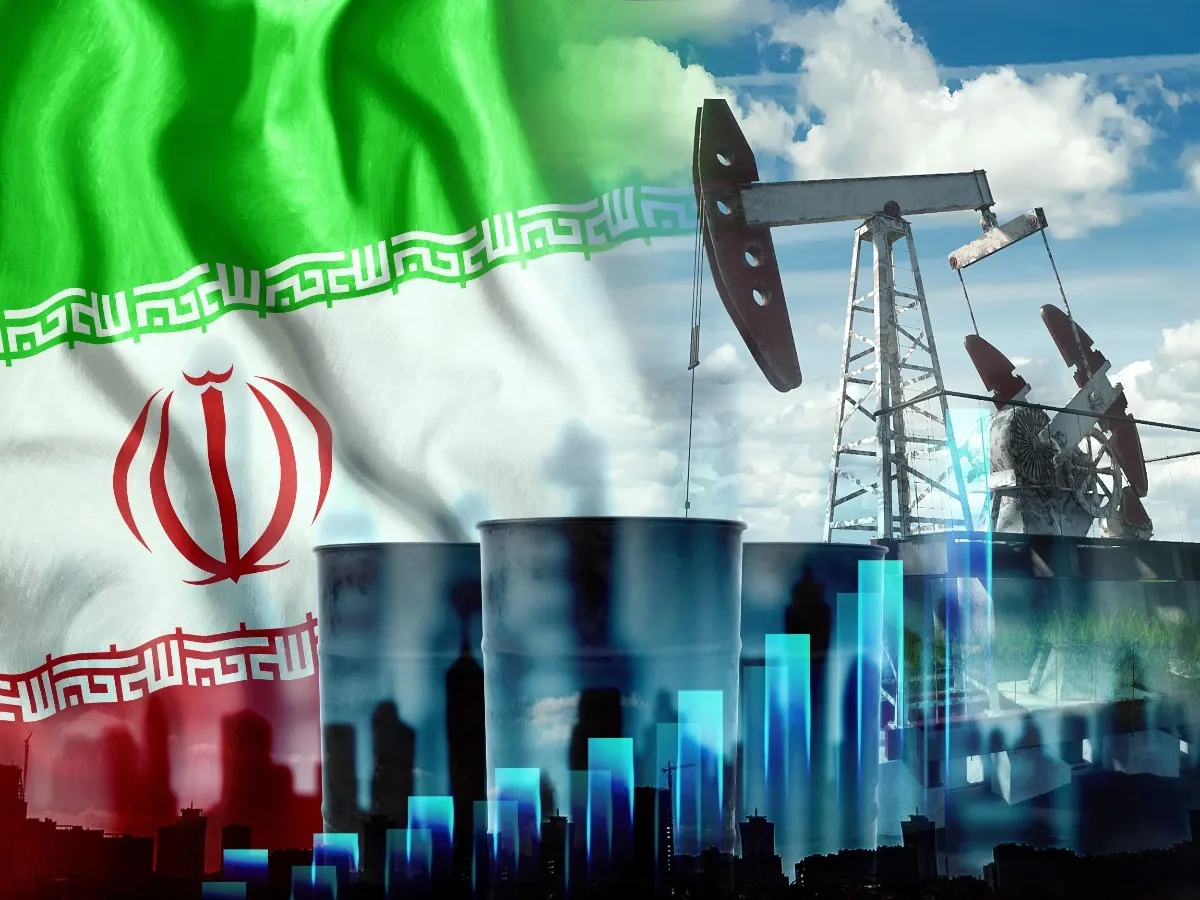
The Middle East conflict escalated sharply after an Israeli strike on Iran’s South Pars natural gas field triggered retaliatory attacks on Gulf energy infrastructure. Image: Shutterstock
The ongoing war in the Middle East escalated quickly on Thursday after an Israeli strike on Iran’s South Pars natural gas field prompted strong retaliatory attacks on Gulf Arab neighbours’ energy infrastructure.
Iran set ablaze Qatari liquified natural gas (LNG) facilities, sending global fuel prices soaring.
QatarEnergy confirmed missile strikes on the site, saying emergency teams contained the blaze and no casualties were reported, though “extensive damage” was caused.
The Gulf Cooperation Council condemned the attack as a “flagrant violation” of international law and warned it threatens global energy security.
GCC Secretary General Jasem Mohamed Albudaiwi pointed out that such actions pose a direct threat to regional and global energy supply security.
He called upon the international community to “fulfill its responsibilities to halt these repeated Iranian attacks and put an immediate end to irresponsible actions that compromise regional and international peace and security.”
Trump distances US from strikes
US President Donald Trump claimed that the United States “knew nothing” about the strike on the Iranian gas field, while warning of massive retaliation if Iran targets Qatar.
In a post on Truth Social, Trump said Israel had carried out the strike on the South Pars field “out of anger” over developments in the Middle East, but insisted that Washington had no prior knowledge and that Qatar “was in no way” involved.
"Unfortunately, Iran did not know this, or any of the pertinent facts pertaining to the South Pars attack, and unjustifiably and unfairly attacked a portion of Qatar’s LNG Gas facility," Trump said.
Why South Pars is critical for Iran
The South Pars field, the world’s largest natural gas reserve shared by Iran and Qatar, is a critical source of energy for Iran.
While Qatar calls its portion the North Field and has transformed it into a global LNG powerhouse, Iran’s side plays a far more domestic role, making it indispensable to the country’s economy and daily life.
Despite having a much smaller economy than major energy consumers, Iran ranks as the fourth-largest consumer of natural gas in the world, behind the US, China and Russia.
Years of international sanctions and underinvestment have limited Iran’s ability to build LNG infrastructure and access global markets. Most of the gas extracted from South Pars is funnelled into domestic pipelines, supporting everything from household heating to electricity generation and industrial production.
Any disruption risks widespread power shortages, heating crises and industrial slowdowns inside Iran.
Domino effect on global prices
Qatar, on the other hand, has used the same reservoir to dominate global LNG trade.
Its Ras Laffan facilities chill gas into liquid form for export, primarily to Asian markets, including India.
Iran's state media has identified Qatar’s Ras Laffan refinery and Mesaieed petrochemical complex and holding company, Saudi Arabia’s Samref refinery and Jubail petrochemical complex and the UAE’s al-Hosn gas field as "legitimate targets" for the regime after strike on South Pars.
“These centres have become direct and legitimate targets and will be targeted in the coming hours. Therefore, all citizens, residents, and employees are requested to immediately leave these areas and move to a safe distance without any delay,” it said.
The shutdown following Iran’s strike has threatened global supply, pushing up gas prices in Europe by increasing competition for available cargoes that can be redirected across regions.
About The Author
Next Story