Business News
Why did Centre oppose PIL in Delhi HC seeking lower GST on air purifiers?
.png)
3 min read | Updated on December 26, 2025, 17:03 IST


SUMMARY
The government told the court that GST rates are decided collectively by the GST Council and cannot be altered unilaterally.
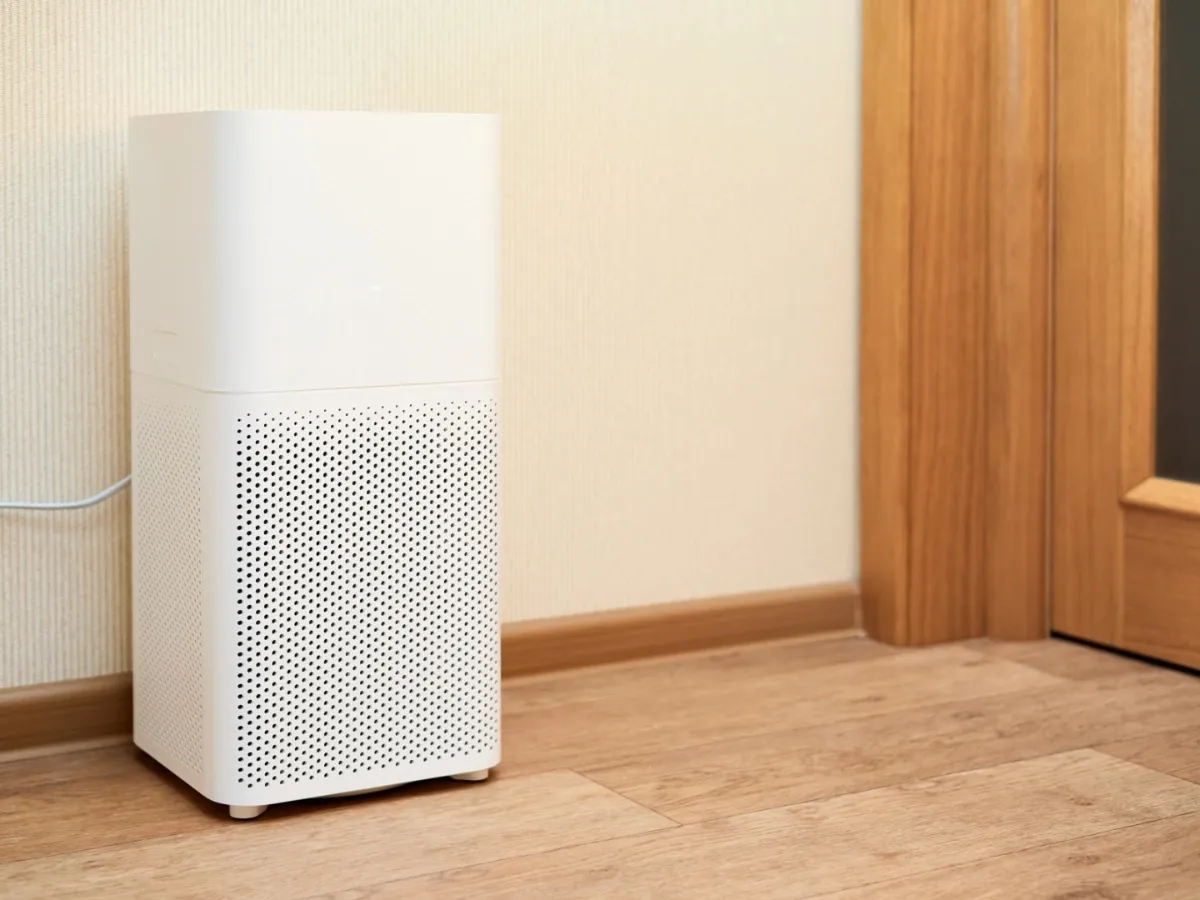
While the court expressed concern over the affordability of air purifiers amid severe air pollution in Delhi-NCR, it granted the Centre 10 days to file its response.
The Centre on Friday opposed a public interest litigation in the Delhi High Court seeking a reduction in goods and services tax (GST) on air purifiers, arguing that the plea was “loaded” and could open a “pandora’s box”.
The submission came as the high court questioned why GST on air purifiers could not be reduced from the current 18% to 5% to make the devices affordable amid worsening air quality in the national capital and surrounding areas.
Appearing for the Centre, Additional Solicitor General N Venkataraman said GST is a federal levy decided collectively by the GST Council, which comprises representatives of all states and Union Territories and is chaired by the Union finance minister.
Any change in rates requires consensus and a formal meeting of the Council, he said, adding that voting cannot be done through video conferencing.
A vacation bench of Justices Vikas Mahajan and Vinod Kumar granted the Centre 10 days to file its reply and posted the matter for further hearing on January 9.
The court, however, expressed concern over the affordability of air purifiers.
“But the court's concern was that, having regard to the situation in Delhi and surrounding areas, why the goods and services tax (GST) should not be reduced from 18 percent to 5 percent,” the bench said.
“Whatever way you want to do you, may do that and find a way out. The price range is starting from Rs 10-12,000 and goes up to Rs 60,000, it is beyond the reach of common man. Why not bring it down to a reasonable level which is in the reach of a common man.”
The PIL, filed by advocate Kapil Madan, seeks directions to classify air purifiers as “medical devices” and tax them at the 5% GST slab applicable to medical equipment.
The petition contends that treating air purifiers as luxury items is arbitrary in the face of severe pollution and that access to clean indoor air has become indispensable for health and survival.
The ASG flagged concerns about possible commercial interests behind the litigation and pointed out that a parliamentary standing committee had only recently recommended examining the issue, which was still under consideration.
“Two prayers have nothing to do with GST. Health Ministry is not a party to the petition and a prayer is sought regarding it,” the ASG submitted.
“Somebody wants a monopoly in air purifiers, we don't know. We are really concerned about it. Only on December 12, 2025, the parliamentary standing committee passed the proposal to look into the matter of GST but MoEF is not a party. Standing committee is a constitutional arm under the legislature and there is a process involved and how can the process be scuttled.”
The petitioner, however, argued that a February 2020 notification extending the regulatory framework under the Drugs and Cosmetics Act to all medical devices could cover air purifiers as “breathing devices”, warranting a lower tax rate.
Earlier, the high court had directed the GST Council to consider lowering or abolishing GST on air purifiers at the earliest, even suggesting a temporary exemption in view of the “emergency situation” caused by very poor air quality. The Centre reiterated that such policy decisions must follow the constitutional process through the GST Council.
By signing up you agree to Upstox’s Terms & Conditions

About The Author
Next Story