Business News
When Manmohan Singh quietly wrote a cheque for gains from 1991 rupee devaluation
.png)
3 min read | Updated on December 27, 2024, 20:00 IST


SUMMARY
Following the Narasimha Rao government's decision to devalue the Indian rupee, which increased the rupee value of his overseas savings, Manmohan Singh donated the incremental gains to the Prime Minister’s National Relief Fund.
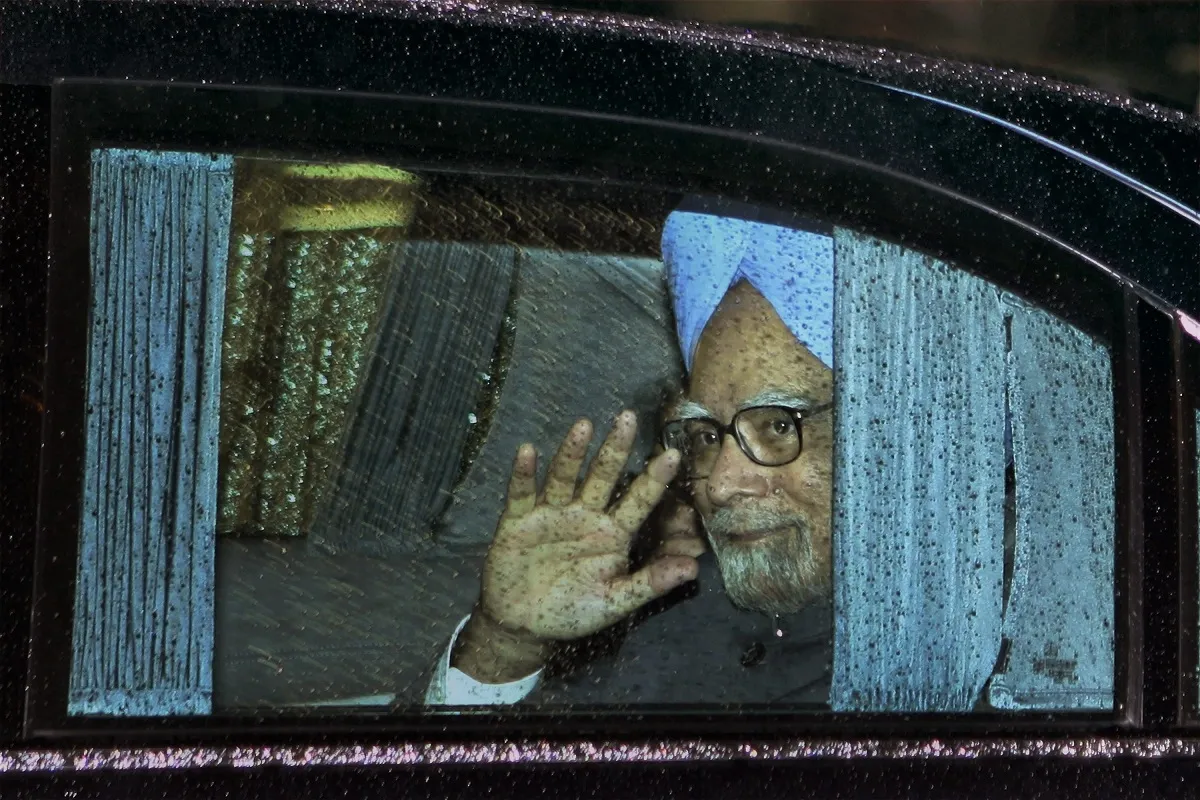
In this Oct. 24, 2010 file photo, then Prime Minister Manmohan Singh, in Tokyo, Japan. Singh passed away on Thursday, Dec. 26, 2024, at the age of 92. (PTI Photo)
Manmohan Singh held an overseas bank account that had earnings from his time working abroad. Following the July 1991 decision by the government to devalue the Indian currency, the value of his savings, in rupee terms, went up.
Instead of pocketing the gains, Singh, who was the finance minister in the PV Narasimha Rao government, just wrote a cheque for the incremental gains and had it deposited in the Prime Minister's National Relief Fund, according to a PTI report.
Recounting the incident, Ramu Damodaran, who served as Private Secretary to then Prime Minister Narasimha Rao, said Singh visited the PM's office "maybe a couple of days" after the devaluation decision.
"He came for a meeting (with PM), and on the way out, he handed over a small envelope to me and asked me to deposit it in the PM's National Relief Fund," PTI quoted Damodaran as saying.
Though Damodaran, currently posted in New York as Permanent Observer for the University for Peace to the United Nations, could not recall the exact figure, he said the envelope contained a cheque for "a huge amount".
Damodaran explained that Singh had held an overseas bank account during his stint abroad.
The former prime minister, who died on Thursday at the age of 92, served as Secretary General of the South Commission, an independent economic policy think tank headquartered in Geneva, Switzerland, between 1987 and 1990.
As finance minister, Singh oversaw the government’s decision to devalue the rupee by 9% on July 1, 1991, followed by another 11% devaluation on July 3, 1991. The move was aimed at averting a financial crisis as India grappled with depleting foreign exchange reserves, which were insufficient for essential imports like oil and fertilisers, while exports had declined.
The devaluation meant that every US dollar or any other foreign currency and overseas assets when converted into Indian rupees would get more value.
"He (Singh) did not publicise it, just quietly deposited what he thought was the difference in rupee value of his assets abroad consequent upon devaluation," Damodaran said. "I am sure he would have told Prime Minister Rao later, but he just did not make a big deal about it ever."
Manmohan Singh studied at Cambridge University before heading to Oxford, where he earned a doctorate with a thesis on the role of exports and free trade in India's economy. He served as Reserve Bank of India (RBI) governor (1982-85) and an economic advisor to the government before being made the finance minister in 1991.
By signing up you agree to Upstox’s Terms & Conditions

About The Author
Next Story