Business News
When does US Iran blockade begin? Will ships still pass through Strait of Hormuz?

3 min read | Updated on April 13, 2026, 09:56 IST


SUMMARY
The move comes after 21-hour negotiations failed to yield an agreement, with JD Vance stating that Iran rejected Washington’s “final and best offer.”
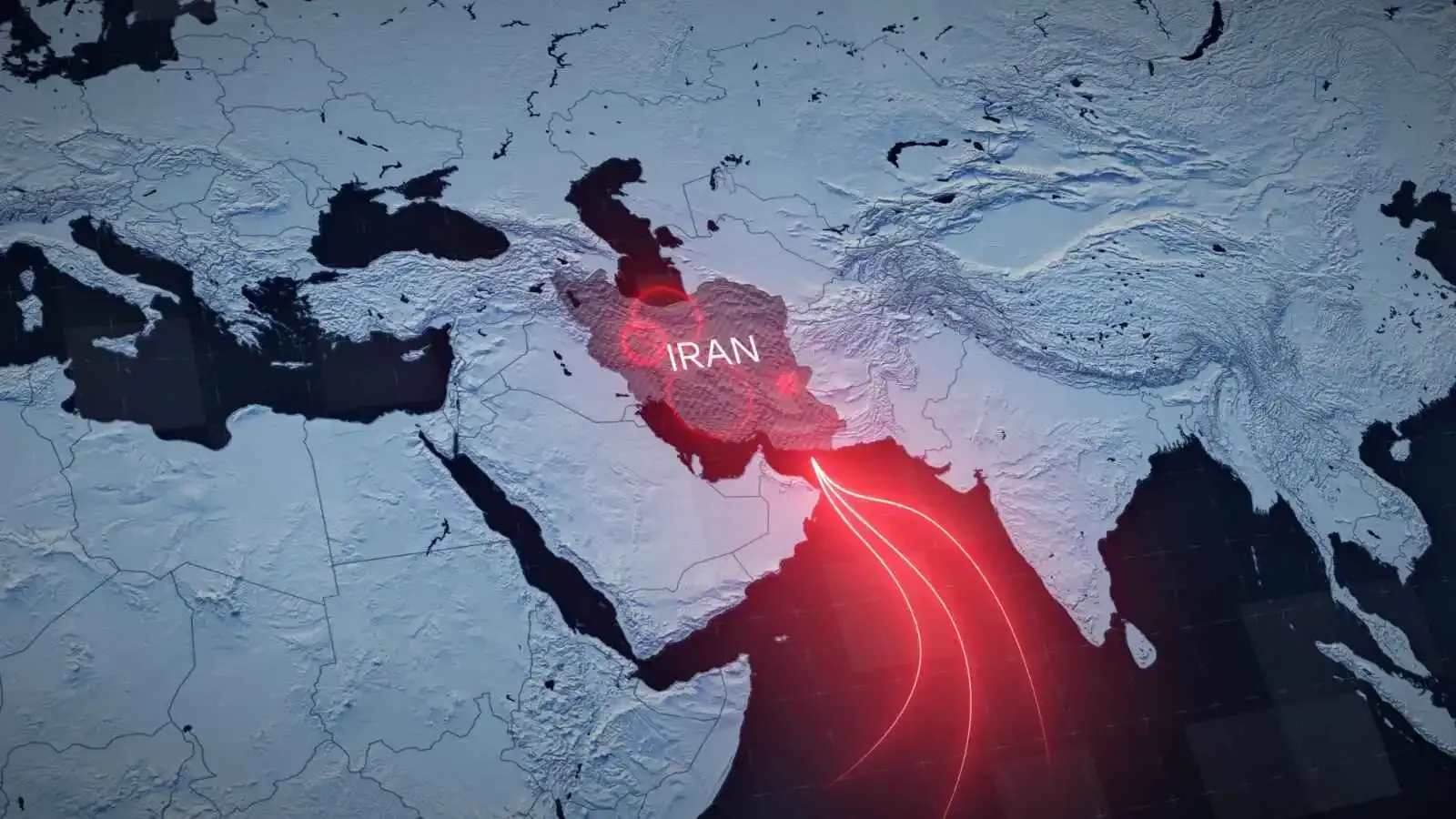
The breakdown in talks raises concerns over the fragile ceasefire and potential disruptions to global oil markets. Image: Shutterstock
The United States will begin enforcing a blockade on all maritime traffic entering and exiting Iranian ports from April 13, the US Central Command (CENTCOM) said, hours after President Donald Trump announced sweeping measures following the collapse of nuclear talks with Tehran.
In a statement, CENTCOM said its forces would start implementing the blockade at 10 am ET in accordance with the President’s proclamation, adding that it would be applied “impartially against vessels of all nations” operating in Iranian ports and coastal areas across the Arabian Gulf and the Gulf of Oman.
However, the US clarified that freedom of navigation through the Strait of Hormuz to and from non-Iranian ports would not be impeded.
“Additional information will be provided to commercial mariners through a formal notice prior to the start of the blockade. All mariners are advised to monitor Notice to Mariners broadcasts and contact US naval forces on bridge-to-bridge channel 16 when operating in the Gulf of Oman and Strait of Hormuz approaches,” the statement said.
The clarification appeared to narrow the scope of Trump’s earlier announcement, in which he said the US Navy would begin “blockading any and all ships trying to enter, or leave, the Strait of Hormuz,” a chokepoint through which roughly a fifth of global oil supply passes.
In a lengthy post on his Truth Social platform, Trump accused Iran of “world extortion” and said US forces would interdict vessels in international waters that had paid tolls to Tehran. He also warned that any Iranian attacks on US forces or commercial shipping would be met with overwhelming force.
The announcement followed the failure of marathon 21-hour talks between US and Iranian delegations in Islamabad, which ended without an agreement on Tehran’s nuclear programme.
Trump said while “most points were agreed to”, the negotiations broke down over the nuclear issue, reiterating that Iran would “never have a nuclear weapon”.
US Vice President JD Vance, who led the American delegation, said Washington had presented its “final and best offer”, but Iran did not accept the terms.
“We have not reached an agreement and I think that’s bad news for Iran much more than it’s bad news for the United States,” Vance told reporters.
He said the US was seeking a clear commitment from Iran that it would not pursue nuclear weapons or the capability to rapidly develop them.
Iran blamed the breakdown on what it called “excessive” and “illegal demands” by the US.
Iranian Parliament Speaker Mohammad Bagher Ghalibaf, who headed Tehran’s negotiating team, said it was for Washington to decide whether it could “earn our trust or not”.
Iranian media reported that the talks collapsed over disagreements on the nuclear programme, control of the Strait of Hormuz and the release of frozen Iranian assets.
The failure of the talks has cast uncertainty over the fragile ceasefire and raised concerns over disruptions to global energy markets, given the strategic importance of the Strait of Hormuz.
Related News
About The Author
Next Story