Business News
What’s Iran’s new 'minus nuke' proposal to reopen Strait of Hormuz?
.png)
3 min read | Updated on April 27, 2026, 09:04 IST


SUMMARY
Iran has reportedly proposed a de-escalation plan to the United States that prioritises reopening the Strait of Hormuz and ending the ongoing conflict, while deferring contentious nuclear negotiations.
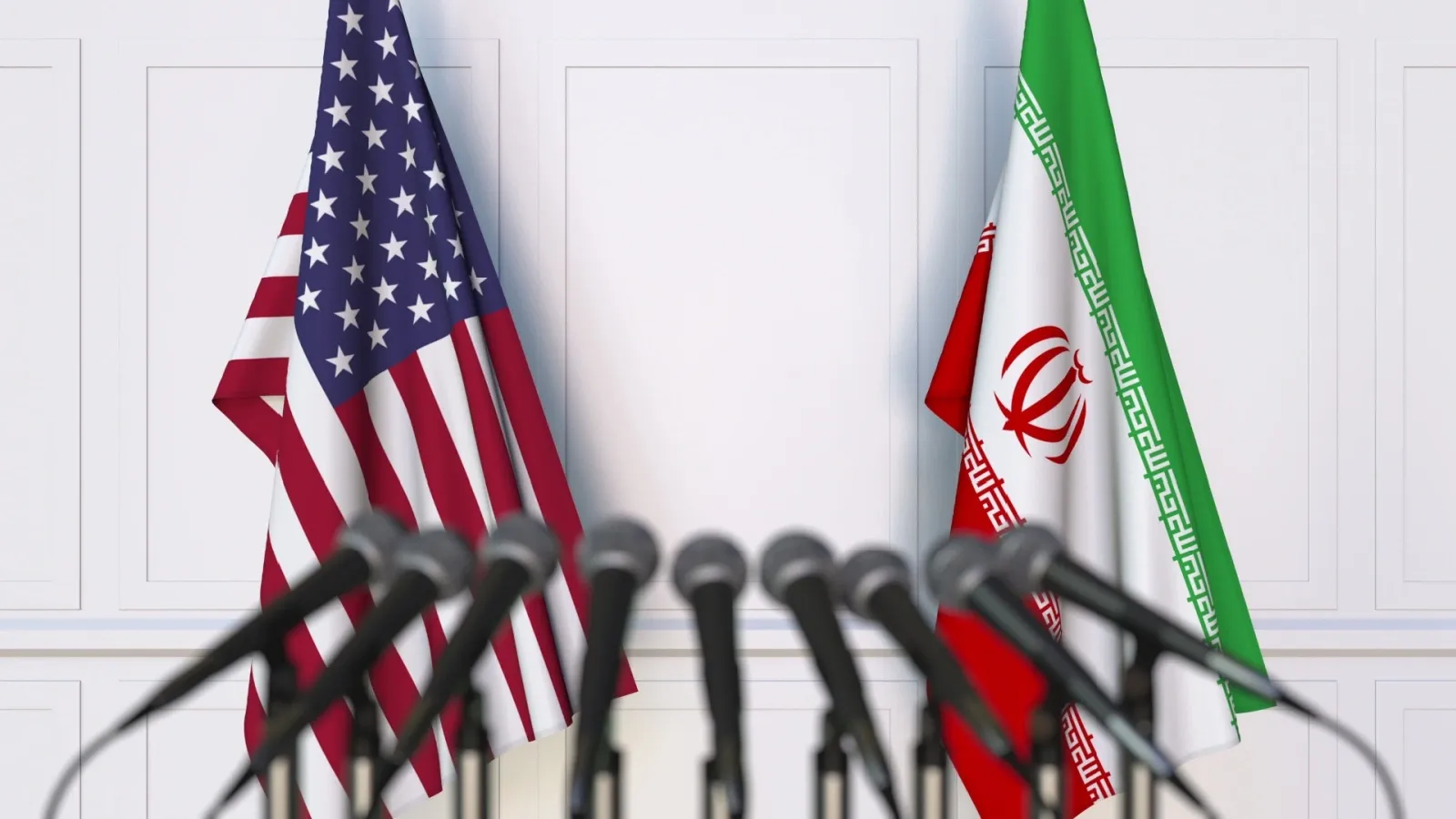
The first round of peace talks held on April 11 and 12 failed to bring the desired result for the parties to the conflict.
Iran has reportedly put forward a new proposal to the United States to reopen the Strait of Hormuz and end the conflict.
According to Axios, Tehran wants to defer the contentious nuclear negotiations to a later stage.
By deferring the nuclear issue, Iranian officials appear to be seeking a quicker path to de-escalation focussed on restoring maritime flows and lifting a US naval blockade that has curtailed Iran’s seaborne trade.
Discussions on Iran’s nuclear programme would be postponed until after the waterway is reopened and the ceasefire extended for a longer period, the report said, citing people familiar with the discussions.
But such a move could undercut key objectives for US President Donald Trump, who has sought to use economic and military pressure to force Tehran to curb uranium enrichment and dismantle its stockpile of enriched material.
It remains unclear whether Washington is prepared to consider the approach.
A decision could hinge on whether US officials believe Iran would negotiate its nuclear programme in good faith once the blockade is lifted and the conflict winds down.
Trump is expected to convene a Situation Room meeting on Monday with senior national security and foreign policy aides to discuss the impasse and potential next steps.
In an interview with Fox News on Sunday, Trump indicated he is inclined to maintain the naval blockade for now.
"When you have vast amounts of oil pouring through your system ... if for any reason this line is closed because you can't put it into containers or ships ... what happens is that line explodes from within. ... They say they only have about three days before that happens," Trump said.
Iran’s top diplomat, Abbas Araghchi, has been shuttling between regional capitals in recent days as part of mediation efforts.
He travelled to Islamabad twice in three days, meeting Pakistan’s army chief, Asim Munir, and earlier holding talks with Prime Minister Shehbaz Sharif and other officials.
Araghchi also visited Oman, where he met Sultan Haitham bin Tariq al-Said to discuss security in the Strait of Hormuz and diplomatic efforts to end the conflict.
According to Iran’s state-run IRNA news agency, the Iranian foreign minister departed for Moscow on Sunday where he is expected to hold talks with senior Russian officials.
Araghchi had told mediators from Pakistan, Egypt, Turkey and Qatar that Iran’s leadership had yet to reach a consensus on how to respond to US demands that it halt uranium enrichment for at least a decade and remove enriched material from the country, reported Axios. Trump, meanwhile, reiterated that direct communication with Tehran was still possible, saying Iranian officials could directly call the United States to pursue a peace deal.
He also said he had cancelled plans to send envoys, including Steve Witkoff and Jared Kushner, to Islamabad for talks, citing what he described as "tremendous infighting and confusion" within the Iranian leadership.
“We have all the cards. If they want to talk, they can come to us, or they can call us,” Trump said.
"I just cancelled the trip of my representatives" to Islamabad to meet with the Iranians, Trump posted on Truth Social on Saturday.
"Too much time wasted on travelling, too much work! Besides which, there is tremendous infighting and confusion within their “leadership.” Nobody knows who is in charge, including them. Also, we have all the cards, they have none! If they want to talk, all they have to do is call!!!" he added.
About The Author
Next Story