
Business News
What's in the US-Iran peace deal that Trump says is nearly done?
.png)
3 min read | Updated on June 12, 2026, 11:58 IST


SUMMARY
According to reports, the proposed memorandum of understanding would extend the ceasefire for 60 days, require Iran to commit to never acquiring a nuclear weapon and address concerns over its enriched uranium stockpile.
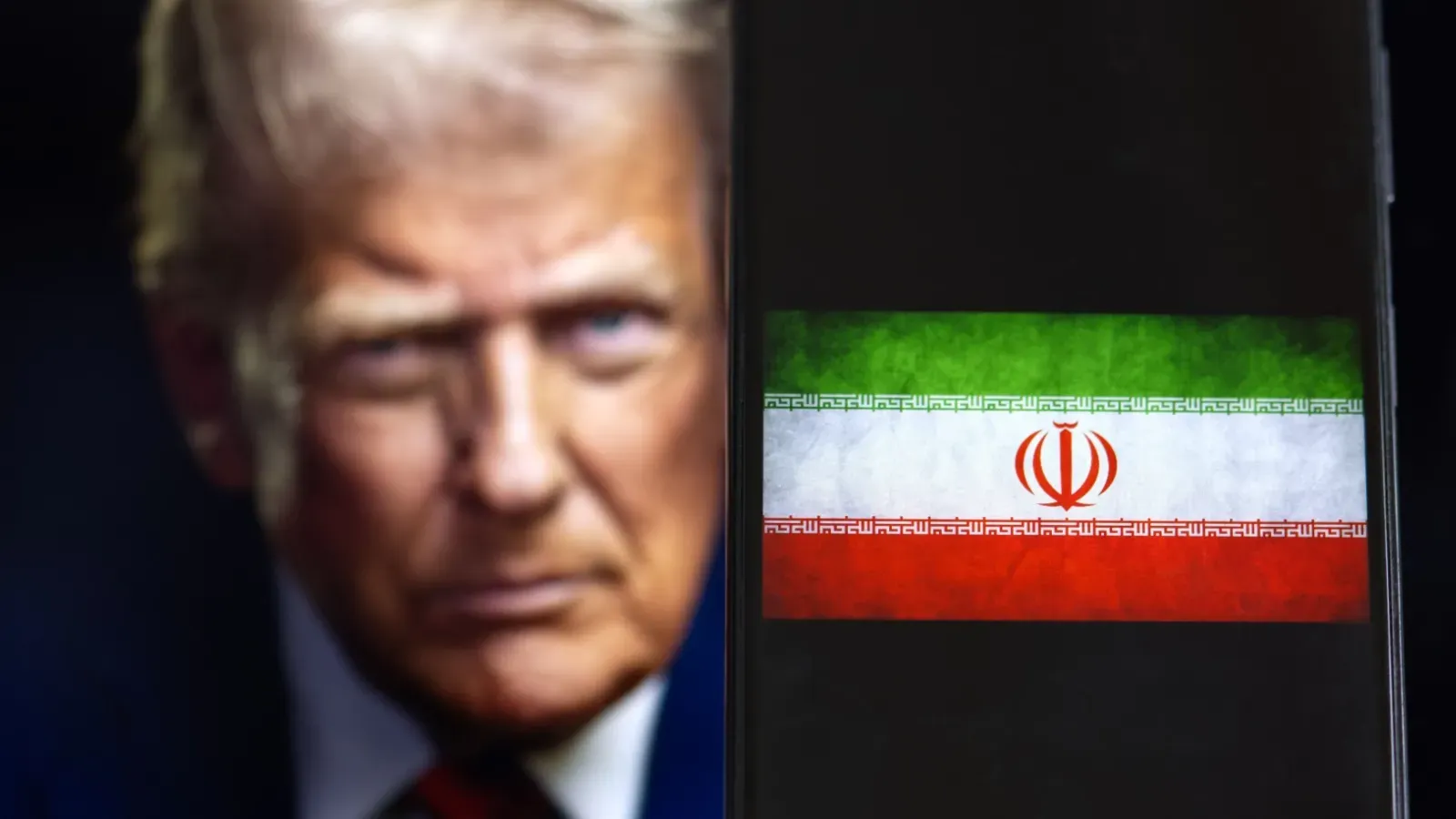
The deal would reopen the Strait of Hormuz and eventually lift the US naval blockade. Image: Shutterstock
US President Donald Trump has claimed that Washington and Tehran have agreed on the broad contours of a deal that would formally end the recent conflict, reopen the Strait of Hormuz and lay the groundwork for negotiations over Iran's nuclear programme.
Trump said on Thursday that the United States had "ended the war" with Iran and asserted that Tehran had agreed never to develop a nuclear weapon.
"I don't know if you heard, but we ended the war with Iran today," Trump said during a tele-rally for Georgia Lieutenant Governor Burt Jones.
"They have agreed never to have a nuclear weapon, something that we insisted on; that was the whole purpose. That was 95% of it," he said.
What's in the US-Iran deal?
The proposed memorandum of understanding (MOU), details of which were reported by Axios citing US and diplomatic sources, would extend the current ceasefire for 60 days, including in Lebanon.
The negotiations, meanwhile, will continue on a broader and more detailed nuclear agreement.
Under the framework, Iran would commit to never acquiring a nuclear weapon and to addressing international concerns over its stockpile of enriched uranium.
According to a senior US official cited by Axios, one option under discussion would allow Iran's highly enriched uranium to be down-blended within the country under the supervision of UN inspectors.
However, any concrete steps regarding Iran's nuclear programme would only take effect after a second, more comprehensive accord is negotiated.
The agreement would also require the immediate reopening of the Strait of Hormuz without tolls.
In return, the United States would lift its naval blockade, which Trump said would remain in force until the agreement is formally signed.
The MoU reportedly envisages phased sanctions relief for Iran.
Initial sanctions waivers would allow Tehran to resume oil exports for 60 days.
Further sanctions relief would depend on Iran's compliance with the agreement and its conduct during subsequent negotiations.
"There is no set date for sanctions relief and it will be tied to the implementation of the deal," a diplomat from one of the mediating countries told Axios.
One unresolved issue concerns billions of dollars in Iranian funds frozen overseas. Iran has reportedly demanded immediate access to some of the money upon signing the agreement, while the United States favours releasing the funds in stages linked to compliance.
According to Axios, the tentative deal was reached after hours of negotiations on Wednesday night involving Qatari mediator Ali Al-Thawadi and Iranian Foreign Minister Abbas Araghchi.
Trump earlier announced on his Truth Social platform that planned US military strikes against Iran had been cancelled and that discussions had reached the highest levels of the Iranian leadership.
"Discussions and final points have been, in both concept and great detail, approved by all parties involved," Trump said, naming the United States, Israel and several West Asian countries among those backing the arrangement.
The Axios report, however, suggested that Israeli Prime Minister Benjamin Netanyahu was caught off guard by Trump's announcement and had been seeking information from allies close to the Trump administration in recent days.
About The Author
Next Story

