Business News
What’s happening in Iran, and why is India urging citizens to leave?
4 min read | Updated on February 23, 2026, 15:36 IST


SUMMARY
The advisory comes as the United States and Iran prepare for another round of nuclear talks in Geneva, amid US warnings of potential military action.
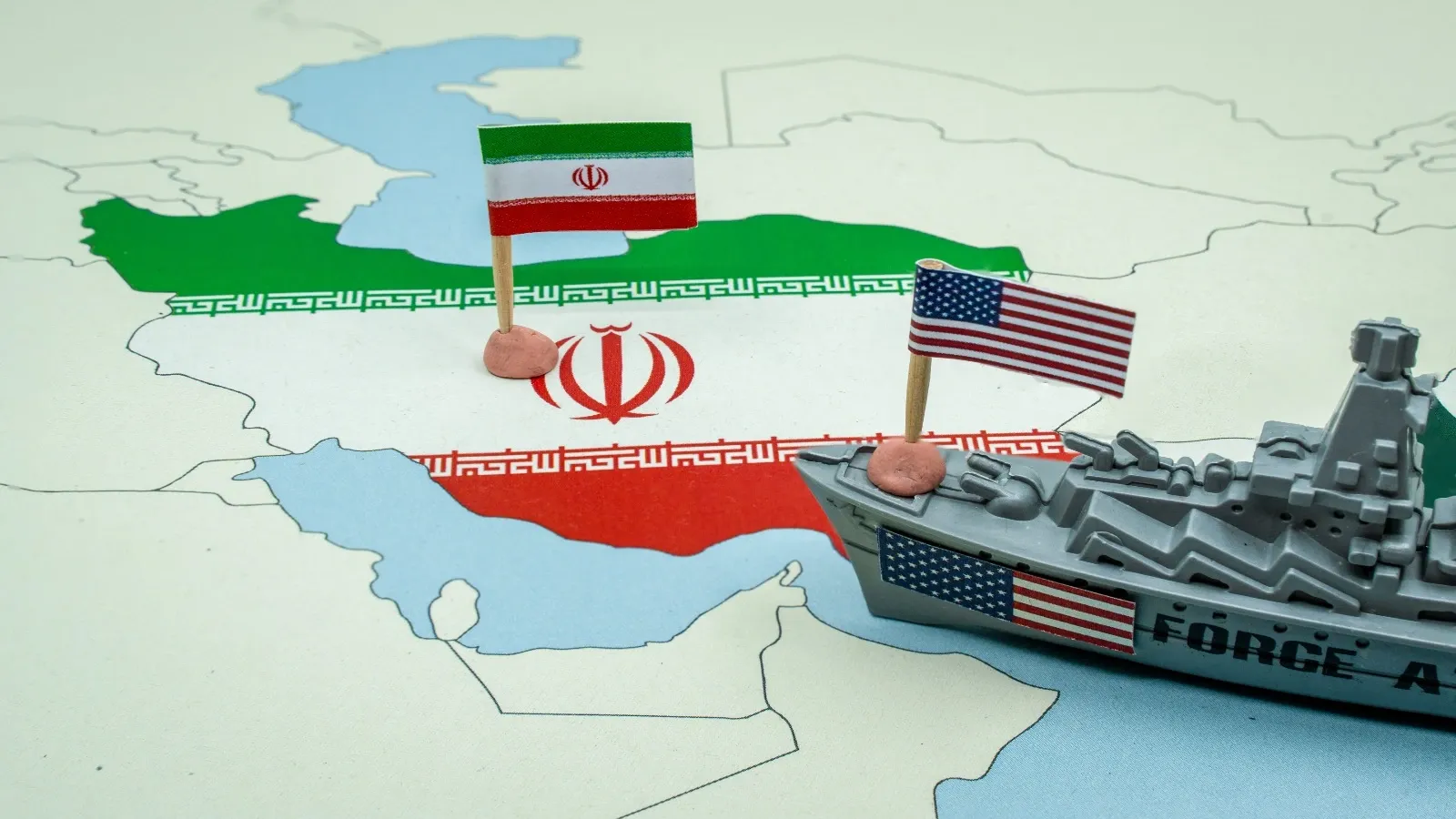
India has advised its citizens in Iran to leave the country by available commercial means amid an “evolving situation”.
India on Monday advised its citizens in Iran to leave the country by available commercial means, citing an “evolving situation,” as tensions rise amid US warnings of possible military action and renewed nuclear negotiations between Washington and Tehran.
In an advisory issued by the Embassy of India in Tehran, the mission urged Indian nationals, including students, pilgrims, businesspeople and tourists, to “leave Iran by available means of transport, including commercial flights.”
The embassy reiterated earlier guidance asking Indians to “exercise due caution, avoid areas of protests or demonstrations, stay in contact with the Indian Embassy in Iran and monitor local media for any developments.”
It also asked nationals to keep travel and immigration documents, including passports and identification papers, readily available and to contact the embassy for assistance if needed.
The mission shared multiple emergency helpline numbers and an email address, and requested Indians who have not registered with the embassy to do so online.
“In case any Indian national is unable to register due to internet disruptions in Iran, their families in India are requested to do so,” it said.
The advisory comes amid intense speculation over potential US military strikes on Iran and ahead of another round of nuclear talks scheduled this week in Geneva.
Potential military action
On Friday, US President Donald Trump said limited military action against Iran was under consideration, as negotiations over Tehran’s nuclear program continue.
Asked whether the United States could take limited military action while talks are ongoing, Trump told reporters, “I guess I can say I am considering that.”
He later said that Iran “better negotiate a fair deal.”
Iranian Foreign Minister Abbas Araghchi said his country was preparing to finalise a draft agreement within “the next two to three days” to send to Washington.
“I don’t think it takes long, perhaps, in a matter of a week or so, we can start real, serious negotiations on the text and come to a conclusion,” Araghchi said in a television interview.
He said Iran was ready for diplomacy but also prepared for conflict if talks fail.
“We are prepared for diplomacy, and we are prepared for negotiation as much as we are prepared for war,” he said.
US-Iran talks in Geneva
The United States and Iran are set to hold their next round of nuclear talks Thursday in Geneva.
Oman has previously hosted indirect negotiations and facilitated recent contacts between the two sides.
Iranian President Masoud Pezeshkian said on social media that negotiations had involved “the exchange of practical proposals and yielded encouraging signals,” but warned that Tehran has “made all necessary preparations for any potential scenario.”
Tensions between the longtime adversaries have escalated in recent weeks as Washington has built up a significant military presence in the Middle East. The Pentagon is deploying one of the largest concentrations of American naval and air power to the region in decades, including two aircraft carrier strike groups.
On Friday, the USS Gerald R. Ford carrier strike group passed through the Strait of Gibraltar and entered the Mediterranean Sea after being redirected from the Caribbean.
Washington has said Iran must not be allowed to possess nuclear weapons or the capability to build them and has insisted Tehran cannot enrich uranium.
Araghchi, however, said Iran maintains the right to enrich uranium under international agreements.
Trump’s special envoy Steve Witkoff said that Trump is “curious” as to why Tehran has not yet “capitulated” and agreed to curb its nuclear program.
“I don’t want to use the word ‘frustrated,’ because he understands he has plenty of alternatives, but he’s curious as to why they haven’t … I don’t want to use the word ‘capitulated,’ but why they haven’t capitulated,” Witkoff said in an interview on Fox News.
Tehran has long maintained that negotiations should focus solely on its nuclear program and has rejected US and Israeli demands to curb its missile development and sever ties with allied armed groups in the region.
India has significant strategic and economic interests in Iran, including connectivity projects and energy ties, and thousands of Indian nationals reside or travel in the country for education, trade and religious pilgrimage.
About The Author
Next Story