Business News
What is Sanctioning Russia Act and could it hit India with 500% US tariffs?

3 min read | Updated on January 08, 2026, 12:12 IST


SUMMARY
US President Donald Trump has "greenlit" a bipartisan sanctions bill that would empower the White House to impose punitive “secondary tariffs” of up to 500% on countries continuing to buy Russian oil and gas.
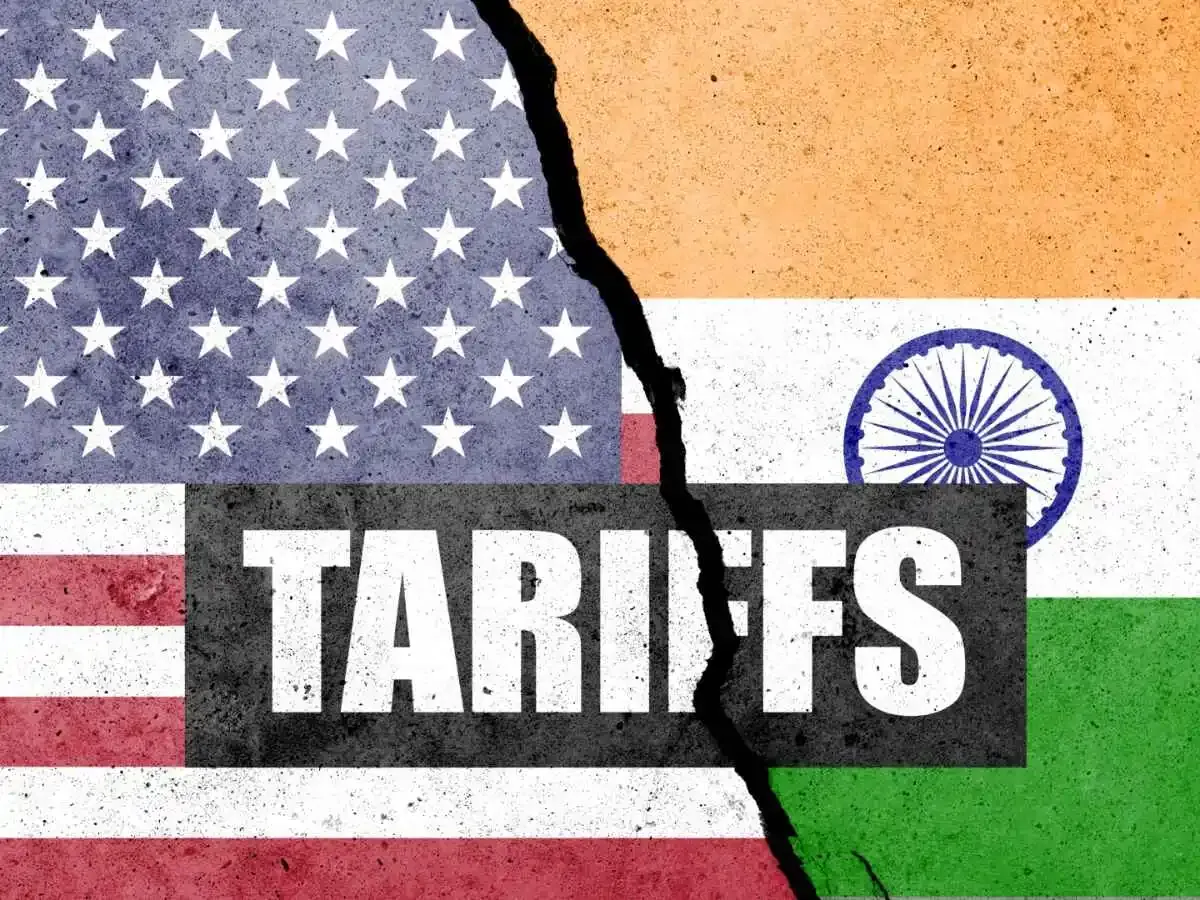
US Senator Lindsey Graham explicitly named India, China and Brazil as countries that could face pressure under the legislation, which gives the US president wide discretion to set tariff levels.
US President Donald Trump has “greenlit” a bipartisan bill that would allow the White House to impose punishing tariffs and sanctions on countries that continue buying Russian oil and gas, Senator Lindsey Graham said on Thursday.
In a post on X, Graham said he had a “very productive meeting” with Trump, following which the president approved the sanctions legislation that Graham has been working on for months with Senator Richard Blumenthal and others.
The legislation seeks to impose what Graham described as “secondary tariffs” of up to 500% on countries that continue purchasing Russian energy.
“This bill will allow President Trump to punish those countries who buy cheap Russian oil fueling Putin’s war machine,” Graham wrote.
It would give Trump “tremendous leverage against countries like China, India and Brazil to incentivize them to stop buying the cheap Russian oil that provides the financing for Putin’s bloodbath against Ukraine,” he added.
Graham and Blumenthal have introduced the Sanctioning Russia Act of 2025, which seeks to impose secondary tariffs and sanctions on countries that continue to fund Russia’s war effort. The legislation currently has 85 co-sponsors in the US Senate.
“If you want to end this conflict, put pressure on Putin’s customers,” Graham said earlier this week while standing alongside Trump. He claimed that tariff pressure linked to Russian oil purchases had already prompted India to scale back imports.
“I was at the Indian ambassador’s house about a month ago, and all they wanted to talk about is how they’re buying less Russian oil. ‘Would you tell the president to relieve the tariff?’ This stuff works,” Graham said.
Under the proposed legislation, the US president would have wide discretion to determine tariff levels.
“From zero to five hundred (per cent). He picks the number. Nobody else does,” Graham said.
India has emerged as one of the world’s largest buyers of discounted Russian crude since Moscow’s 2022 invasion of Ukraine. New Delhi has defended the purchases as essential for energy security and inflation control, while maintaining that its crude purchases do not violate any international laws.
“India’s imports are meant to ensure predictable and affordable energy costs to the Indian consumer. They are a necessity compelled by global market situation,” the ministry of external affairs said in August last year when the punitive tariffs were announced.
What the bill would do
The legislation dramatically expands the US president’s authority once a determination is made that Russia is refusing to engage in good faith negotiations for a lasting peace with Ukraine, violating any such agreement, launching new aggression, or undermining Ukraine’s government.
If such a determination is made, the bill mandates a series of actions, including visa bans, asset freezes and steep tariffs.
Which sections directly affect India
Section 15 mandates a minimum 500% duty on all Russian goods and services imported into the US.
Section 17 targets countries that purchase Russian-origin oil, gas, uranium and petroleum products, requiring the US to impose tariffs of at least 500% on their exports to the US, in addition to any existing anti-dumping or countervailing duties.
That leaves New Delhi potentially exposed to steep trade penalties if it continues large-scale Russian energy purchases and the US administration opts to act.
The bill allows a one-time waiver of up to 180 days in the US national security interest. However, the waiver cannot be used for countries designated as state sponsors of terrorism or those listed under certain US defense statutes — categories that do not include India.
Related News
About The Author
Next Story