Business News
What does the 25 bps rate hike by Bank of Japan mean for the world and India?

4 min read | Updated on December 19, 2025, 15:24 IST


SUMMARY
The Bank of Japan hiked the interest rate to the highest level in 30 years, transforming the dynamics of global capital flows. A strong yen could have a wider spillover effect across the globe as it reverses 30 years of capital flows.
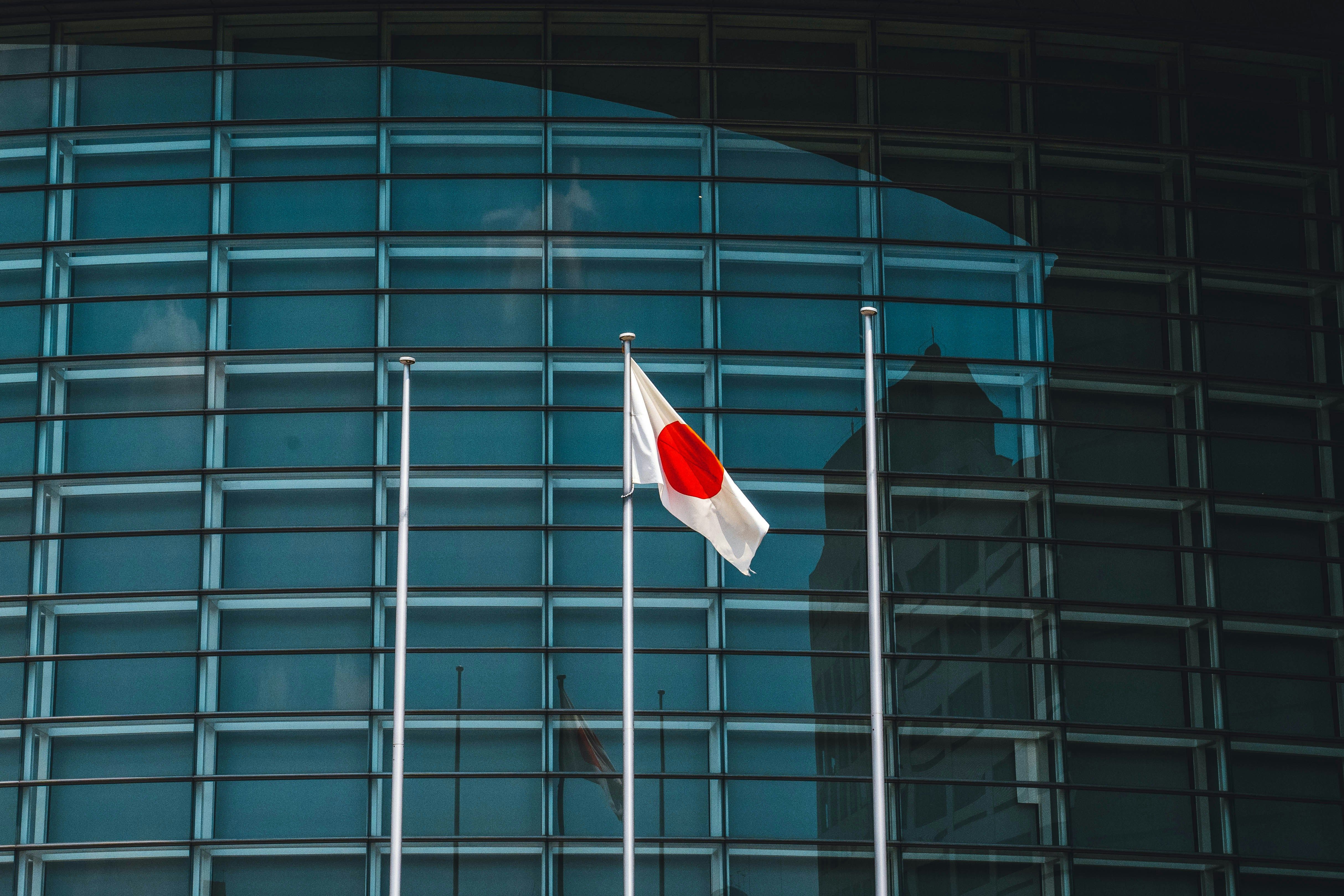
Bank of Japan raises interest rates after more than a decade as inflation fears loom. Image : Shutterstock.
The Bank of Japan raised the interest rate by 25 bps on Friday to 0.75%, the highest in 30 years. The Japanese benchmark indices reacted positively despite the hike, as markets discounted the hawkish stance by the central bank. Similarly, the yen appreciated against the dollar as the Japanese G-sec traded near 2%, touching the new record levels.
The rate hike is part of a broader normalisation cycle as Japan moved away from cheap money policy.
The economy went into a zero interest rate policy in 1991 after the bubble burst led to a major deflationary environment. The deflationary environment led to slower consumption as consumers expected a sharp drop in prices, which further affected the economic growth as well.
To boost the consumption, Japanese central banks adopted a zero-interest rate policy for inducing consumption growth. However, this also resulted in global capital flow from Japan to the rest of the world.
Investors across the world borrowed from Japan at virtually zero interest rates and invested in other high-yielding assets of developed countries like the US.
Eventually, Japan became the largest holder of US treasuries as cheap money from Japan flowed into US markets. Investors across the world also took leveraged positions in equity markets funded by cheap money from Japan. Japan became an ATM machine for the world.
What changed in Japan that led to a shift in policy?
The cheap money did little to boost inflation and growth in Japan but ended up depreciating its own currency and raising the cost for major food and energy products.
Japan imports the majority of its food and energy requirements. A weaker yen fuelled a different crisis in Japan, where inflation rose faster than the wage hikes. However, labour shortages due to the ageing population also forced companies to increase the wages.
The recent wage hikes during the 2025 “Shunto” (spring wage negotiations) and sticky inflation near 2% encouraged policymakers to shift the monetary policy and arrest the weakening of the Japanese yen.
Consequently, the Japanese central bank adopted a hawkish stance and started raising rates in 2024, ending the era of zero interest rate policy.
Implications of rate hike
The rate hike by the Bank of Japan triggered a mass liquidation of leveraged positions across the globe, as higher interest rates along with a stronger yen could have led to margin calls for major investors.
Thus, in August 2024, after the first 15 bps triggered a massive global sell-off. The fears of reversal of the yen carry trade further pushed global investors to take lighter positions in risky assets.
Global markets responded positively to the latest rate hike, as markets look better prepared today than for the previous rate hikes. However, the long-term implications of the hawkish stance by the Japanese central bank are wide and far-lasting.
What does a rate hike by the Bank of Japan mean to investors?
The Bank of Japan’s governor indicated rate and wage hikes could be the new normal in Japanese economic policy to achieve its high growth forecast.
The stimulus measures would keep the inflation sticky, and rate hikes would keep the yen stronger than before. Consequently, a stronger yen leads to massive unwinding of leveraged and risky positions by investors across the globe.
For global investors, a stronger yen could lead to an unwinding of positions in the overvalued positions in the AI trade, which could further trigger a sell-off in the US markets and have a spillover effect across the globe.
A stronger yen could force FIIs to reduce their positions in India, leading to sustained capital outflows out of the Indian markets.
About The Author
Next Story