
Business News
What are CAFE-III fuel efficiency norms proposed for passenger vehicles from April 2027?

4 min read | Updated on July 17, 2026, 12:46 IST


SUMMARY
The government said the CAFE-III norms are designed to reduce emissions, improve fuel efficiency, cut dependence on imported crude oil and support India’s goal of achieving net-zero emissions by 2070.
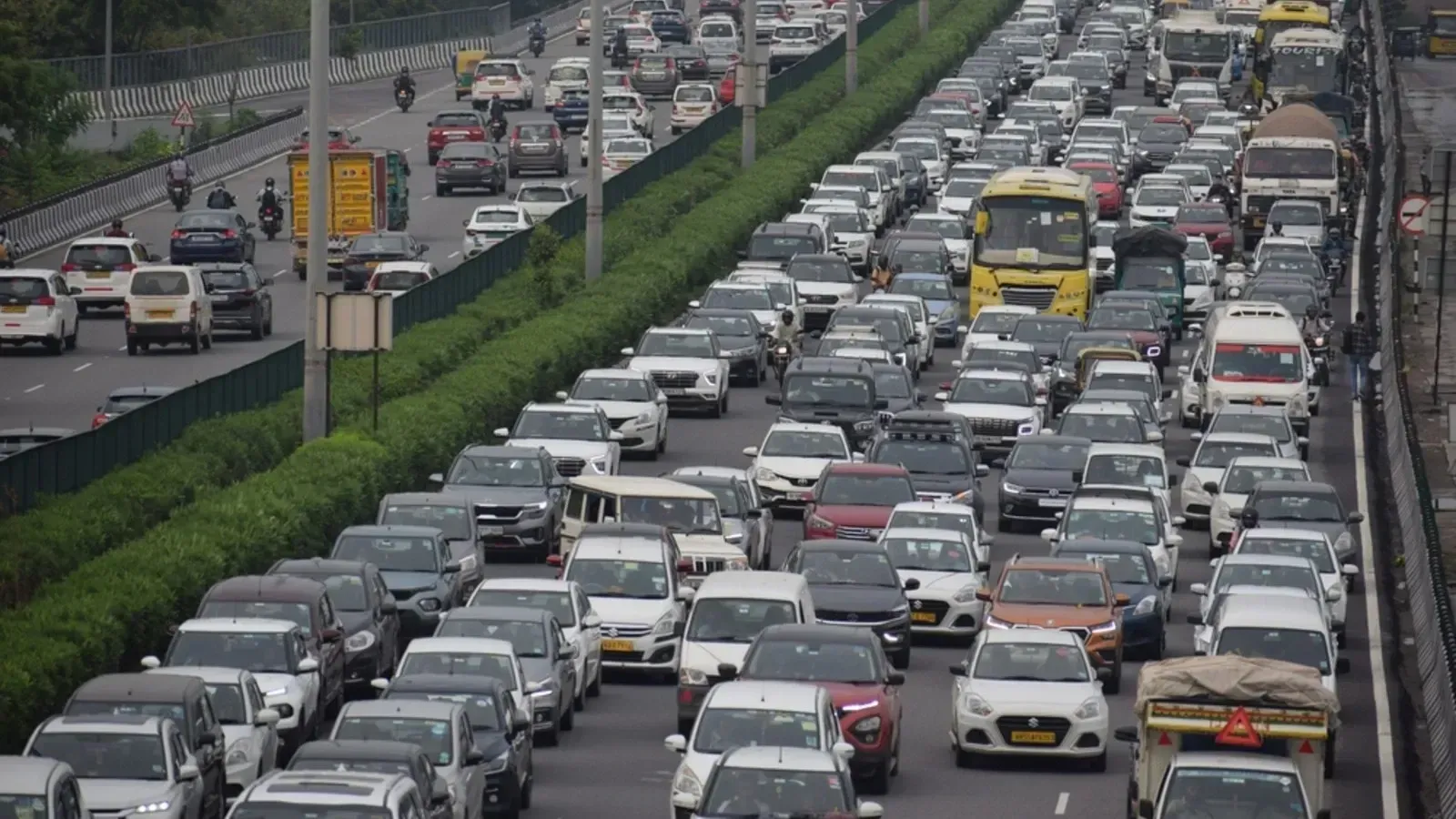
The Ministry of Power has proposed the Corporate Average Fuel Economy (CAFE)-III norms for passenger vehicles, which will come into effect from April 1, 2027.
The Ministry of Power has proposed a new set of fuel-efficiency regulations for passenger vehicles, known as the Corporate Average Fuel Economy (CAFE)-III norms, that will take effect from April 1, 2027.
The draft regulations, issued on Thursday, will tighten efficiency standards while giving automakers greater flexibility to comply through cleaner technologies and credit trading.
The proposed framework will apply to M1 category passenger vehicles manufactured or imported for sale in India during the five-year period from FY2027-28 to FY2031-32.
Manufacturers selling fewer than 1,000 vehicles annually will remain exempt from the fleet-average obligations.
Under the proposal, manufacturers will continue to be regulated based on the average fuel consumption of the vehicles they sell, but the permissible fleet average will become progressively more stringent every year through FY2031-32.
The standards will continue to be calculated using the weighted average unladen mass of vehicles sold by each manufacturer.
Why is the govt revising the framework?
In an explanatory note, the government said "rapid technological advancements, increasing adoption of alternative fuels, and the emergence of electrified vehicle technologies necessitate a comprehensive revision of the regulatory framework."
According to the government, the proposed CAFE 2027 regulations establish a “modern, technology neutral and performance based regulatory framework” that seeks to “accelerate the adoption of advanced fuel-efficient technologies and cleaner propulsion systems.”
Once implemented, it will lead to lower emissions from the passenger vehicle fleet.
“The norms are also expected to improve the average fuel efficiency of passenger vehicles, resulting in lower fuel consumption, reduced dependence on imported crude oil, enhanced energy security, and a lower oil import bill, while supporting technological innovation and India's commitment to achieving net-zero emissions by 2070,” it said.
How will fuel efficiency be measured?
A key feature of the new framework is the introduction of a petrol-equivalent fuel consumption methodology that enables uniform comparison across petrol, diesel, CNG, LPG, electric and hybrid vehicles.
Fuel consumption will continue to be derived from certified carbon dioxide emissions measured during vehicle type approval.
What incentives are proposed for electric and hybrid vehicles?
The draft also proposes incentives for cleaner vehicles through what it calls "Volume derogation factor for super credit".
Battery electric vehicles and range-extended electric vehicles will receive a super-credit factor of 3.0 while plug-in hybrids will receive 2.5, strong hybrids 1.6 and flex-fuel ethanol vehicles 1.1 while calculating fleet-average fuel consumption.
How do carbon-neutrality factors work?
The draft introduces Carbon Neutrality Factors to recognise renewable fuels.
Vehicles capable of running on E20 or higher ethanol blends, including certain hybrids, will receive an 8% reduction in counted tailpipe CO2 emissions, while flex-fuel ethanol vehicles will get a 22.3% reduction.
CNG vehicles will receive a CNF of 5% or the compressed biogas blending percentage notified by the government, whichever is higher.
Diesel vehicles will receive credits linked to biofuel blending notified by the government.
Manufacturers will also be eligible to claim credits for deploying fuel-saving technologies.
The draft says they can claim discounts for "energy-efficient automotive technologies that are technically proven, certified, and adopted globally in major automobile markets", subject to an overall cap of 9 grams of CO2 per kilometre.
Eligible technologies include start-stop systems, regenerative braking, tyre-pressure monitoring systems, efficient alternators, LED lighting, advanced glazing, solar-reflective paint and high-efficiency air-conditioning systems.
How will the compliance credit market function?
Another major change is the introduction of a compliance credit market.
It states that "Individual manufacturer may exchange or trade credits with other manufacturer(s) for the purpose of compliance on their mutually agreed terms and conditions."
Manufacturers will also be able to offset shortfalls by purchasing credits from the Bureau of Energy Efficiency, with prices rising from ₹2,500 per gram of CO2 per kilometre in FY2028 to ₹4,500 by FY2032.
About The Author
Next Story

