Business News
Warren Buffett’s last letter to shareholders: What 'Oracle of Omaha' wants next generation of leaders to know
.png)
3 min read | Updated on November 11, 2025, 14:29 IST


SUMMARY
Warren Buffett, the 95-year-old billionaire investor and chairman of Berkshire Hathaway, announced that he will no longer write the company’s annual shareholder letter or speak at its renowned annual meeting.
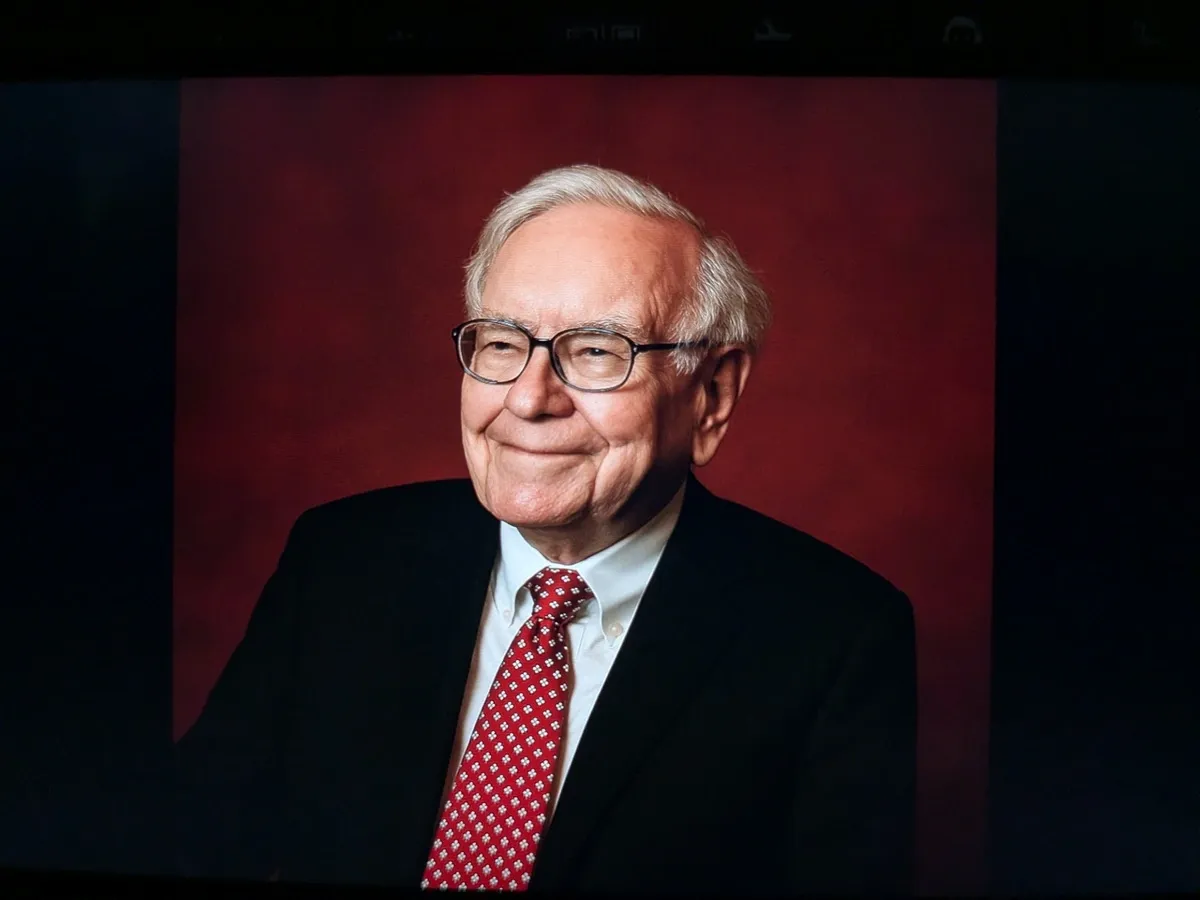
At 95, Warren Buffett said he will no longer write Berkshire’s annual shareholder letters or speak at the company’s annual meetings. Image: Shutterstock
Warren Buffett, the 95-year-old billionaire investor who turned a struggling textile company into a global powerhouse, said he will no longer write Berkshire Hathaway’s annual shareholder letter or address the company’s famed annual meeting.
“As the British would say, I’m ‘going quiet,’” Buffett wrote in what he called his final annual message to shareholders.
Greg Abel, the Canadian executive who has long been designated as Buffett’s successor, will formally take over as Berkshire’s chief executive at the end of the year.
“Greg Abel will become the boss at yearend,” Buffett wrote. “He is a great manager, a tireless worker and an honest communicator.”
In his farewell letter, released ahead of Thanksgiving, Buffett reflected on his long career, his philosophy of management, and the traits that he believes define great leaders.
Buffett’s letter offered insights not only into how he built Berkshire into a $900 billion empire, but also how he views leadership, humility, and legacy.
Lessons from Buffett’s letter
The legendary investor urged future leaders to prize integrity over ambition, saying companies should “avoid those whose goal is to retire at 65, to become look-at-me rich or to initiate a dynasty.”
He also lamented the escalation of CEO pay in corporate America, saying that disclosure rules meant to shame excesses have instead fueled envy and competition among executives. “The new rules produced envy, not moderation,” he wrote. “Envy and greed walk hand in hand.”
Reflecting on his partnership with the late Charlie Munger, Buffett said their six-decade collaboration worked because it was rooted in mutual respect and a shared moral compass. “We had differences but never had an argument. ‘I told you so’ was not in his vocabulary,” he wrote.
He also admitted his own mistakes, including failing to act when some CEOs under his umbrella suffered from cognitive decline. “This failure can be a huge mistake,” he said, urging boards to stay alert to such risks.
Buffett, who has worked from the same Omaha office for 64 years, said Berkshire’s success was inseparable from its Midwestern roots. “Looking back I feel that both Berkshire and I did better because of our base in Omaha than if I had resided anywhere else,” he said.
In what read like a life philosophy distilled into a few sentences, Buffett urged readers to value decency and empathy over wealth and ambition.
“Greatness does not come about through accumulating great amounts of money, great amounts of publicity or great power in government,” he wrote. “When you help someone in any of thousands of ways, you help the world.”
He added, “Kindness is costless but also priceless.”
Buffett, who has been candid about his missteps over the years, advised readers not to dwell on failures. “Don’t beat yourself up over past mistakes — learn at least a little from them and move on,” he said.
He also encouraged people to “get the right heroes and copy them,” citing media executive Tom Murphy, whom Buffett has long described as “the best manager I’ve ever met.”
He urged readers to “choose your heroes carefully and then emulate them,” adding with characteristic humour: “I wish all who read this a very happy Thanksgiving. Yes, even the jerks; it’s never too late to change.”
About The Author
Next Story