Business News
US Supreme Court strikes down Donald Trump’s sweeping global tariffs as illegal

3 min read | Updated on February 20, 2026, 21:38 IST


SUMMARY
The Supreme Court of the United States ruled 6–3 that President Donald Trump violated federal law by unilaterally imposing sweeping global tariffs without clear congressional authorisation.
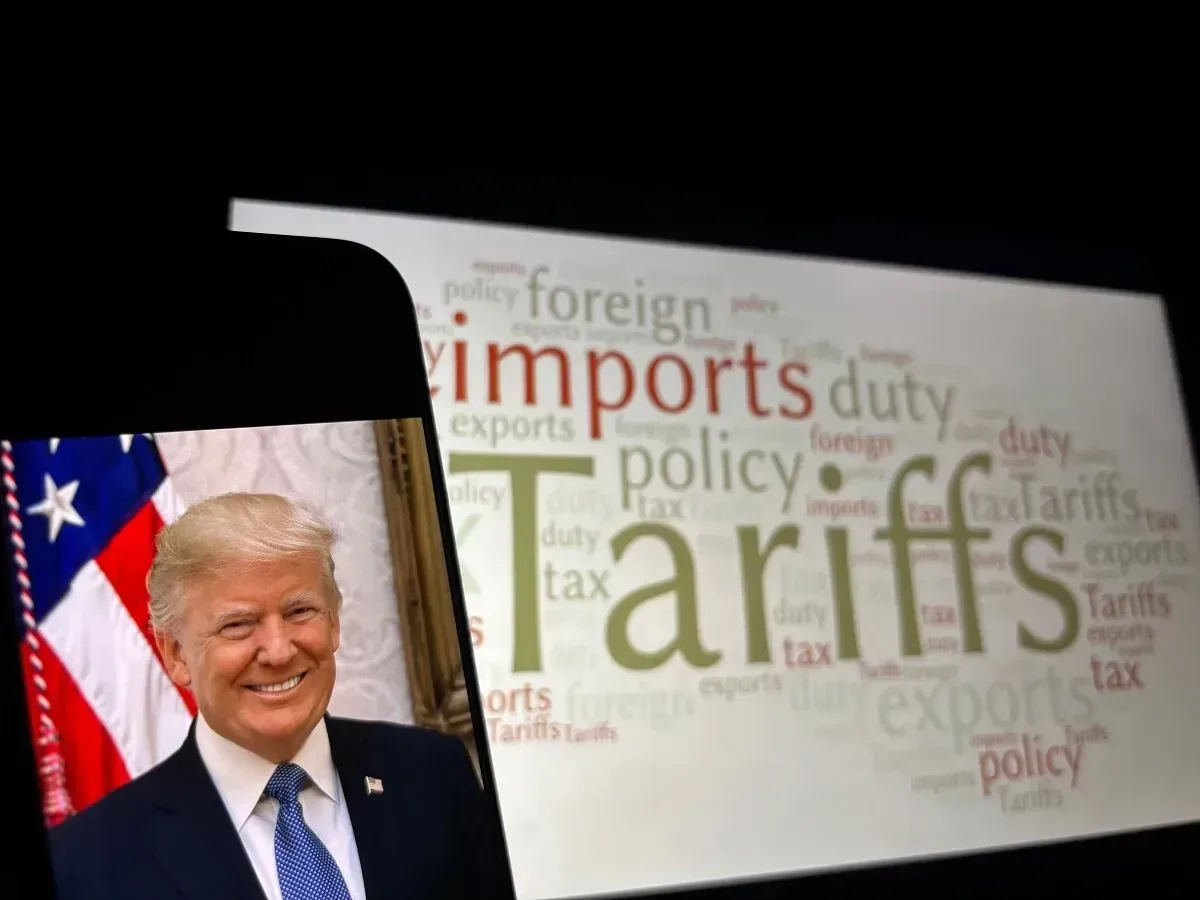
The Supreme Court rejected the administration’s claim that emergency powers allowed the US President to impose reciprocal tariffs independently.
The Supreme Court of the United States on Friday delivered a major setback to President Donald Trump, ruling that he violated federal law by unilaterally imposing sweeping tariffs across the globe.
In a 6–3 decision, the court said Trump exceeded his authority when he moved ahead with "reciprocal" tariffs without clear authorisation from Congress.
Chief Justice John Roberts John Roberts, writing for the majority, rejected the administration’s claim that emergency powers allowed the president to act on his own.
“The president asserts the extraordinary power to unilaterally impose tariffs of unlimited amount, duration, and scope,” Roberts wrote. “In light of the breadth, history, and constitutional context of that asserted authority, he must identify clear congressional authorisation to exercise it.”
The emergency authority Trump relied on, the court said, “falls short.”
Justices Samuel Alito, Clarence Thomas and Brett Kavanaugh dissented.
Justice Kavanaugh, in his dissenting note, noted that the court’s ruling says "nothing today about whether, and if so how, the Government should go about returning the billions of dollars that it has collected from importers."
"But that process is likely to be a ‘mess,’ as was acknowledged at oral argument," he wrote.
The case, the first major piece of Trump’s agenda to reach the nation’s highest court since his return to the White House, represents the most significant judicial setback yet for his second administration.
Until now, the court’s conservative majority had largely declined to rein in Trump’s aggressive use of executive authority in short-term orders, including disputes over high-profile firings and major federal funding cuts.
Trump called the court ruling “a disgrace”, saying he has a backup plan in mind, reported CNN.
He reportedly made the remarks while hosting the White House breakfast with governors.
Judges appeared skeptical during November arguments
Trump had argued he could impose the tariffs without congressional approval by declaring national emergencies under the 1977 International Emergency Economic Powers Act.
But during arguments in November, several justices appeared skeptical that the statute allows near-limitless authority to set import duties worldwide.
Justice Neil Gorsuch had warned that such an interpretation risks transferring too much power from lawmakers to the president on a core economic issue.
“It’s a one-way ratchet toward the gradual but continual accretion of power in the executive branch and away from the people’s elected representatives,” Gorsuch had said.
He had stressed that the “power to reach into the pockets of the American people” should be exercised “locally, through our elected representatives.”
About The Author
Next Story