Business News
US lowers Bangladesh tariff to 19%, offers zero duty on select garments using American inputs
.png)
3 min read | Updated on February 10, 2026, 09:13 IST


SUMMARY
The deal includes a mechanism granting zero reciprocal tariff access for certain Bangladeshi textile and apparel products manufactured using US-produced cotton and man-made fibre.
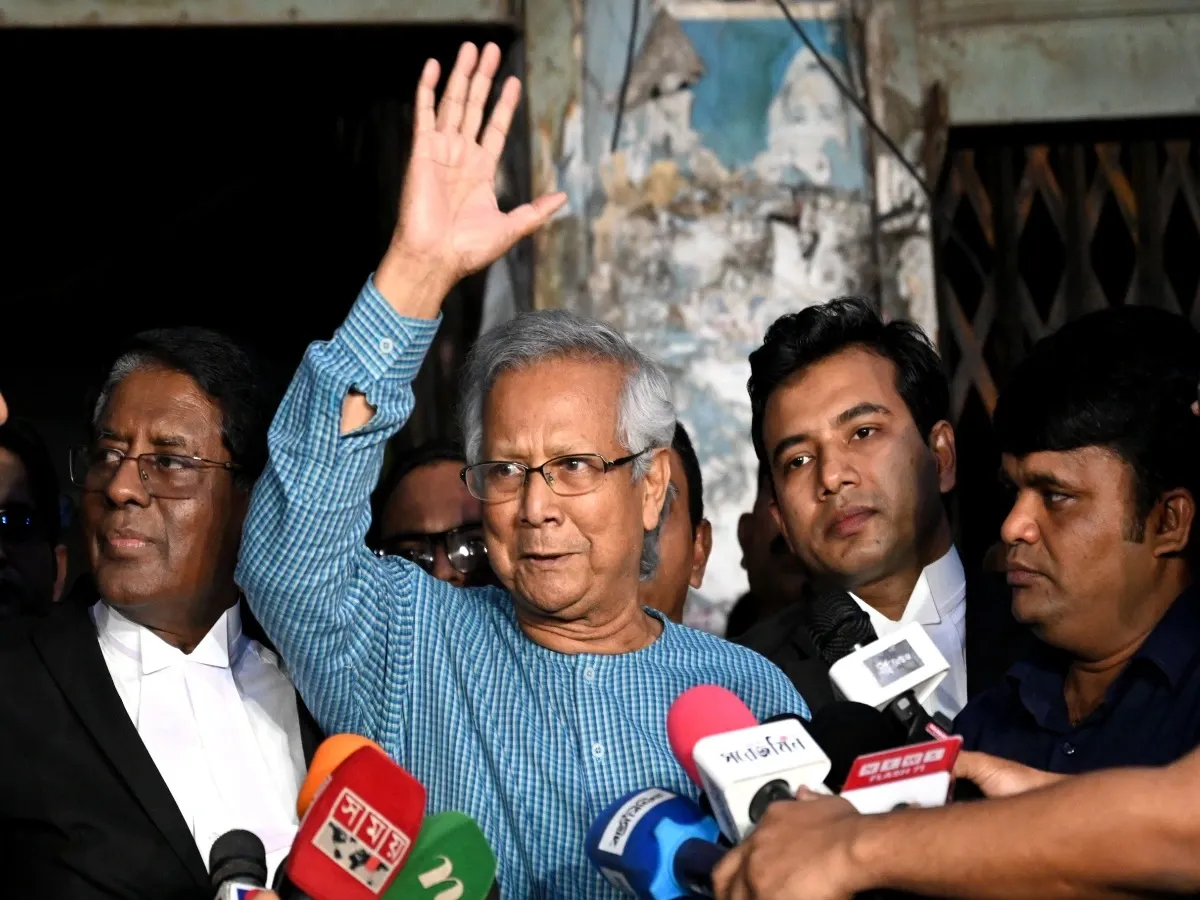
Muhammad Yunus, known for his pro-US stance, said the deal was reached after nine months of negotiations since April last year.
The United States will cut its reciprocal tariff on Bangladeshi goods to 19% under a new trade agreement that would exempt some textiles and garments manufactured with US materials, Bangladesh interim government chief Muhammad Yunus said on Monday.
In a post on X, Yunus said Bangladesh and the US signed the agreement in Washington DC after more than nine months of negotiations since April last year.
The 19% rate follows an earlier reduction to 20% in August last year, down from 37% initially proposed by Washington.
The US also committed to put in place a mechanism allowing certain textile and apparel goods from Bangladesh, using US-produced cotton and man-made fibre, to enter the American market at zero reciprocal tariff.
The agreement was signed in Washington by Commerce Adviser Sheikh Bashir Uddin and US Trade Representative (USTR) Jamieson Greer.
Bangladesh Commerce Secretary Mahbubur Rahman and Assistant US Trade Representative Brendan Lynch were present at the signing.
Rahman, Bangladesh’s chief negotiator, said the tariff reduction would further benefit exporters, while zero-duty access for specific garments using US inputs would give a strong impetus to the country’s apparel sector.
The agreement was approved by Bangladesh’s Council of Advisers on Monday and will become operational once notifications are issued by both sides.
In a joint statement, the White House said the pact would strengthen the two countries’ longstanding economic relationship and build on the US-Bangladesh Trade and Investment Cooperation Forum Agreement signed in 2013.
Under the agreement, Bangladesh will provide preferential market access for a wide range of US industrial and agricultural products, address non-tariff barriers, strengthen labour and environmental protections, improve intellectual property enforcement, and enhance customs and trade facilitation.
Greer lauded Yunus for his leadership of the negotiations and praised the Bangladesh team for its “incredible efforts”, saying the agreement would align Bangladesh with US trade policy.
Apart from cotton, the deal includes provisions for importing US wheat, soybean, and LNG, refraining from imposing tariffs on e-commerce, complying with US-mandated intellectual property rights standards, and supporting US proposals for reforming the World Trade Organisation (WTO).
Bangladesh recently agreed to purchase 25 aircraft from US aerospace giant Boeing, with an estimated cost of Tk 30,000-35,000 crore as part of broader efforts to ease the US tariffs.
According to Bangladesh’s Export Promotion Bureau (EPB), the US remains Bangladesh's largest export market.
Bangladesh's closest competitor, Vietnam, received a 20% reciprocal tariff, while Pakistan, Cambodia and Indonesia have also been subjected to a 19% tariff.
About The Author
Next Story