
Business News
US launches fresh strikes on Iran as Trump enforces blockade, drops Hormuz toll plan
.png)
3 min read | Updated on July 15, 2026, 11:29 IST


SUMMARY
The strikes coincided with the resumption of a US naval blockade on ships travelling to or from Iranian ports, despite an interim peace arrangement reached last month that had envisaged reopening the vital shipping route.
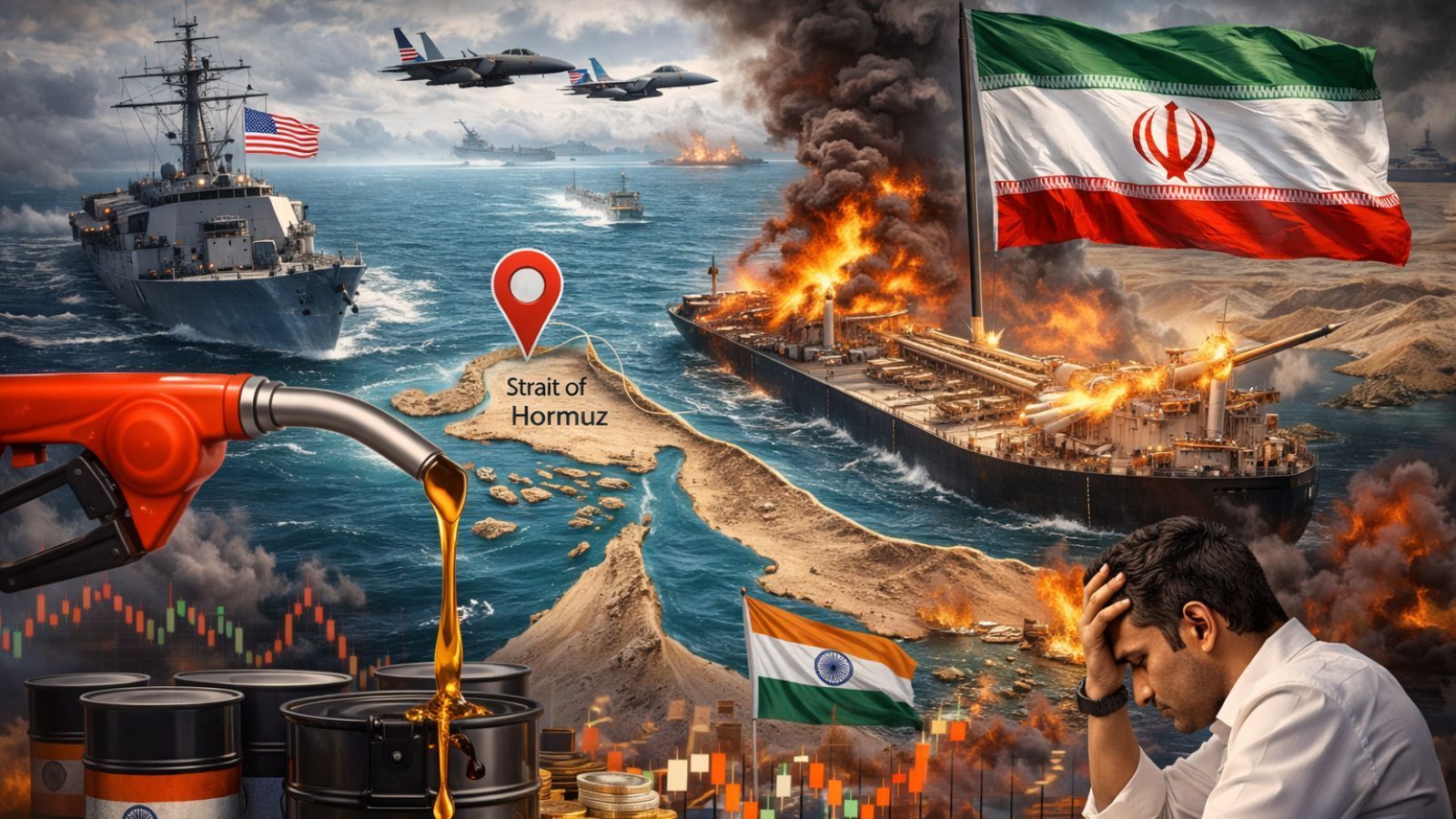
Trump said the Strait of Hormuz would remain open to all shipping except vessels connected to Iran.
The US military on Wednesday said it carried out another wave of strikes against Iranian military targets near the Strait of Hormuz, hours after President Donald Trump announced a full blockade on vessels linked to Iran.
US Central Command said the seven-hour operation began at 10 pm EDT Tuesday and targeted dozens of Iranian missile and drone sites, naval capabilities and coastal defense systems near the Strait of Hormuz and along Iran's coastline.
According to CENTCOM, US fighter aircraft, drones and naval vessels launched precision strikes intended to further degrade Iran's ability to threaten commercial shipping and civilian crews.
The military said the strikes came the same day US forces resumed a naval blockade on vessels traveling to or from Iranian ports and coastal areas.
CENTCOM said the blockade took effect at 4 pm EDT Tuesday and added that US forces remained prepared for further operations.
The latest military action marks another escalation in the conflict despite an interim peace arrangement reached last month that had envisioned reopening the vital shipping lane after the United States lifted an earlier blockade.
Earlier Tuesday, Trump praised the US military in a post on Truth Social, saying the Strait of Hormuz was "open to ALL Ship traffic except for Iran."
He said the United States would enforce a "FULL Blockade" on ships traveling to or from Iranian ports or carrying Iranian cargo.
Trump also announced he was abandoning a proposal announced a day earlier to impose a 20% US fee on cargo transiting the strait. He said Gulf states had agreed to make large new investments in the United States following discussions with regional leaders.
The president reiterated that Iran "will never have a nuclear weapon."
Trump's reversal followed criticism from allies and concerns within his own administration over the proposal to levy transit fees through one of the world's busiest energy shipping lanes.
CNN reported that Gulf leaders, including officials from Saudi Arabia, the United Arab Emirates, Bahrain and Qatar, urged Trump to drop the toll plan, arguing it would undermine US objectives and validate Iran's own claims that compensation should be paid for securing passage through the strait.
Iranian Foreign Minister Abbas Araghchi responded on social media by asserting that Iran had "always been the GUARDIAN of the Strait" and said compensation for maritime security was appropriate.
"20% is of course too much. We will be fair," Araghchi wrote.
The renewed fighting has raised fresh uncertainty over shipping through the narrow waterway, which carries a substantial share of the world's seaborne oil exports.
Commercial traffic through the strait has already fallen sharply amid the conflict, fueling concerns over global energy supplies and higher oil prices.
Crude oil futures extended gains for the third straight session on Wednesday, rising ₹105 to ₹7,689 per barrel, as traders priced in mounting supply risks following another round of US strikes on Iran.
On the Multi Commodity Exchange (MCX), crude oil futures for July delivery rose ₹105, or 1.38%, to ₹7,689 per barrel in a business turnover of 10,458 lots.
The August contract also went up by ₹91, or 1.2%, to ₹7,665 per barrel in 8,798 lots on the MCX.
Related News

About The Author
Next Story

