Business News
US holiday restocking, weak rupee or supply-chain shift: What's behind India's Nov exports rebound?
.png)
4 min read | Updated on December 22, 2025, 11:37 IST


SUMMARY
After recording contraction for two consecutive months, India's merchandise exports to the US rose 22.61% to USD 6.98 billion in November despite steep 50% tariffs on domestic goods, according to commerce ministry data.
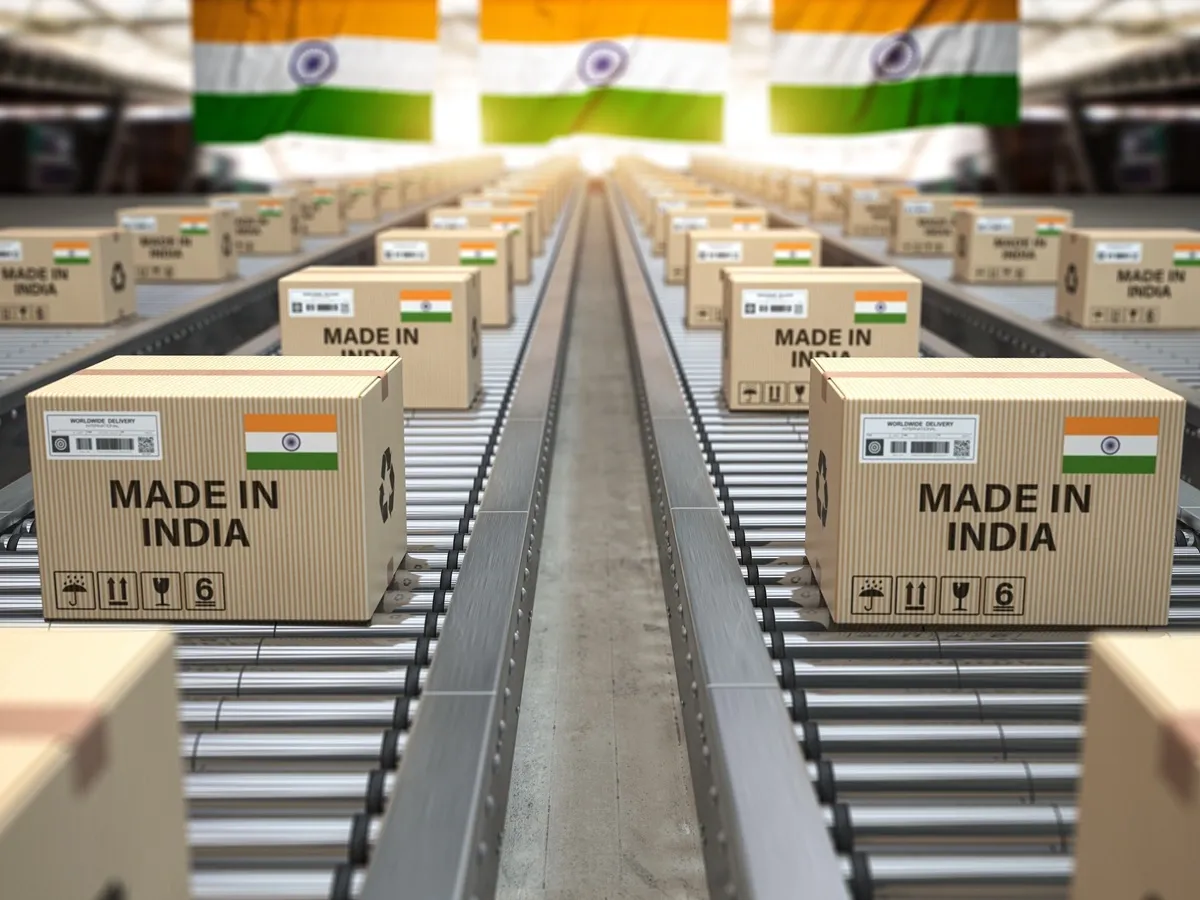
The US has imposed a sweeping 50% tariff on Indian goods entering American markets from August 27.
A shift in supply-chain and inventory restocking ahead of the US holiday season, coupled with a weaker rupee and a favourable base effect, may have helped India’s exports rebound sharply in November.
India’s merchandise exports rose 19.4% year-on-year to $38.1 billion in November driven by a sharp rise in shipments to key markets like the US and China, according to data released by the commerce ministry.
Exports to the US grew 22.6% in November, while shipments to China surged 90.1%.
During the April–November period of the current fiscal, exports to the US increased 11.38% to $59.04 billion, even as imports from the country rose 13.49% to $35.4 billion.
Strong export performance helped narrow India’s trade deficit to a five-month low of $24.53 billion in November, as imports contracted 1.9% to $62.7 billion, led by a sharp decline in gold imports.
The deficit had stood at a record $41.68 billion in October and $31.93 billion in November last year.
Cumulative exports, including merchandise and services, rose 15.5% to $64.05 billion in November, while cumulative imports declined 0.6% to $80.6 billion, resulting in an overall trade deficit of $6.6 billion.
Supply-chain shift
The Global Trade Research Initiative (GTRI) said that in sectors such as electronics and machinery, “supply-chain realignments and inventory restocking ahead of the US holiday season also supported shipments”.
However, it cautioned that the rebound after September reflects an adjustment to a tougher tariff regime rather than any structural relief.
GTRI founder Ajay Srivastava said the decline in India’s exports to the US between May and September likely reflected uncertainty created by impending tariff hikes, which prompted buyers to delay orders and run down inventories.
“Once the higher tariffs became certain, exporters and US buyers began adjusting, absorbing part of the cost, renegotiating prices, and shifting toward less-affected or hard-to-substitute products,” he said.
According to a GTRI report, this fall-and-recovery pattern is visible in about 85% of India’s November exports across most product categories, including electronics (smartphones), gems and jewellery, machinery, vehicles and auto components, pharmaceuticals, textiles and garments, carpets, mineral fuels, organic chemicals, plastics, rubber articles, fish, dairy products, and edible fruits and nuts.
Exports of smartphones, India’s single largest export item, fell from $2.29 billion in May to $884.6 million in September before recovering to $1.8 billion in November. Gems and jewellery exports plunged from $500.2 million in May to $202.8 million in September, before rebounding to $406.2 million in November.
A similar trend was seen in machinery and mechanical appliances, where exports eased to $516.8 million in September and rose to $614.6 million in November. Pharmaceutical exports touched $669.2 million last month.
Mineral fuels and oils, despite being tariff-exempt, declined moderately from $291.5 million in May to $251.5 million in September before rising to $274.3 million in November.
Base effect
The surge in November exports has also been aided by a low base, as shipments in the year-ago period were hit by sharply higher logistics costs following the Red Sea crisis that erupted in October 2024. Attacks by Houthi rebels had disrupted shipping through the region, leading to container shortages and costlier routes via the Cape of Good Hope.
While major shipping companies continue to avoid the Red Sea route, recent ceasefire agreements in Gaza have raised hopes of reduced attacks. The Suez Canal Authority has said some container ships will resume transit through the canal on a partial basis from early December.
Role of rupee
Export growth has also coincided with a rapid weakening of the rupee against the US dollar. A weaker rupee makes Indian goods more competitive overseas. The rupee, which touched an all-time low of 90.79 per dollar last week, was 5.6% lower in November compared with the same month last year.
About The Author
Next Story