Business News
Union Budget 2024: All you need to know about ‘halwa ceremony’
.png)
3 min read | Updated on July 19, 2024, 09:07 IST


SUMMARY
The Union Budget 2024 will be presented on July 23. Recently, the halwa ceremony took place at North Block on July 16, and was attended by the Finance Minister. This ceremony symbolises more than just the cooking and sharing of a sweet dessert; it marks the beginning of budget preparations and the lock-in for officials and staff involved in the budget-making process.
Union Budget 2024: All you need to know about ‘halwa ceremony’
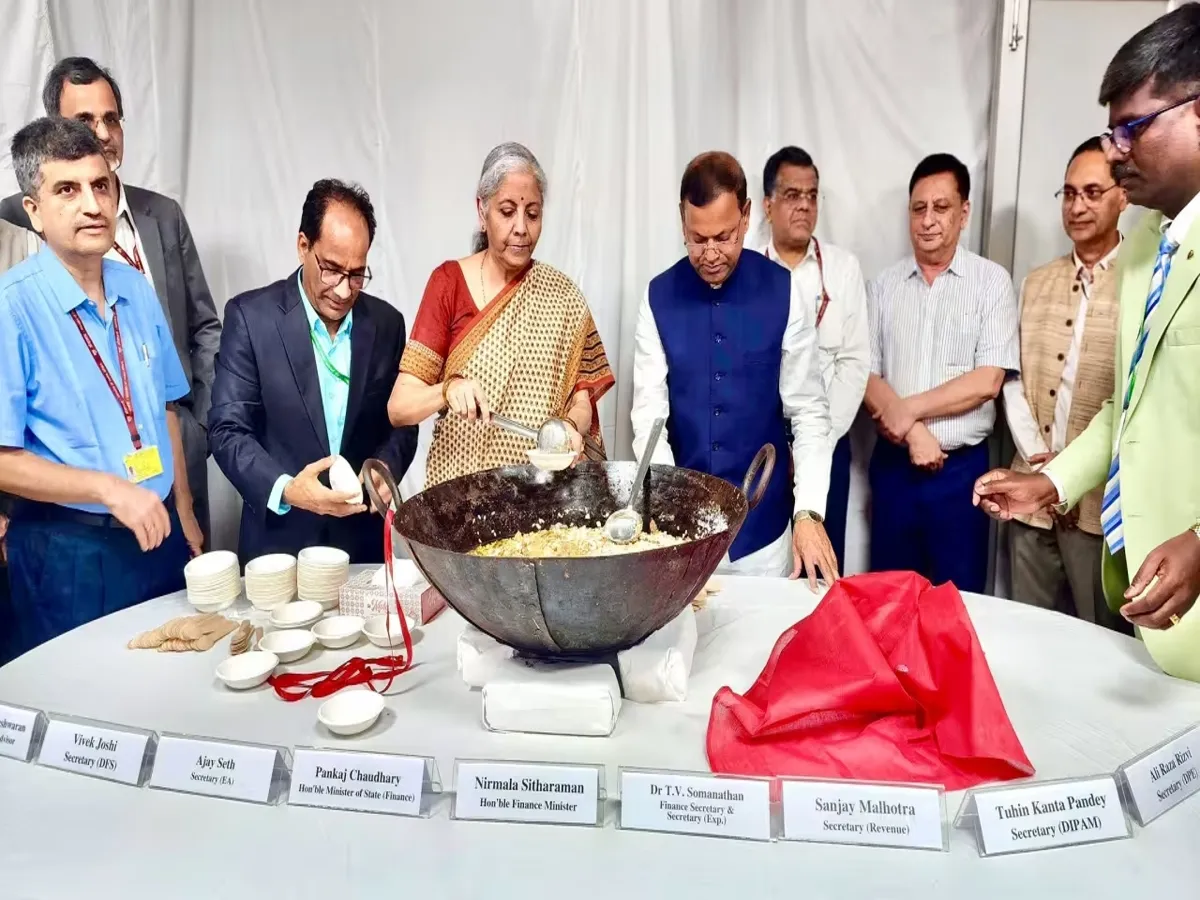
Ahead of the Union Budget 2024 on July 23, the traditional ‘halwa’ ceremony was performed at North Block of Central Secretariat in the presence of Finance Minister Nirmala Sitharaman and other top officials of the finance ministry. This ceremony is held annually, marking the beginning of the budget process. This tradition happened twice this year due to vote of account (Interim Budget) in February this year. The ceremony is not merely customary in nature but signifies various other important cutoffs like lock-in for officials and staff involved to maintain confidentiality, and creating awareness in public at large with respect to the upcoming budget.
What is the halwa ceremony?
The halwa ceremony is a tradition marking the start of printing the annual Union Budget, held 8-10 days before the budget session in Parliament. Hosted by the Finance Minister, the ceremony involves cooking halwa, a sweet dish, in a large vessel popularly known as ‘Kadhai”. The Finance Minister stirs the pot, and the prepared halwa is shared among staff, highlighting their hard work and signalling the beginning of the budget printing process.
What does halwa ceremony denote?
-
Beginning of budget preparation -The halwa ceremony signifies the start of budget preparation, involving extensive deliberations, calculations, and consultations among stakeholders.
-
Maintaining confidentiality - Following the ceremony, officials involved in the budget- making process are confined to their office until the budget is presented in the Parliament. Phone calls are supervised, and officials are monitored by CCTV and the Intelligence Bureau to maintain confidentiality and prevent leaks.
-
Cultural tradition - The halwa ceremony has roots in Indian culture and tradition. The preparation and sharing of sweets hold cultural significance in many Indian ceremonies and festivals..
-
Public Awareness - The ceremony garners media attention, raising public awareness and sparking discussions about fiscal policies and government priorities for the upcoming financial year.
‘Lock-in’ begins. What does it mean?
‘Lock-in’ is a period of a number of days which exists to maintain the secrecy of the budget. It is the ‘lock-in’ of the officials involved in making the budget.
With the Halwa ceremony held on July 16, the lock-in period has begun for officials in the North Block-headquartered ministry. These officials will remain confined until Union Finance Minister Nirmala Sitharaman completes her budget speech in Parliament on July 23.
During the lock-in period, all officials involved in budget preparation must stay in the North Block basement. No one involved in the process is allowed to leave the premises or contact their families until the Union Finance Minister presents the Budget in Parliament. This measure ensures confidentiality and prevents any leaks or premature disclosures of budgetary proposals.
Printing Press of Union Budget
The basement of North Block houses a printing press that was traditionally used to print budget documents for 40 years from 1980 to 2020. Thereafter, the budget went digital with bare minimum documents printed and the bulk distribution happening via mobile app or on the website. Going digital also meant that the lock-in period has gotten shorter to just 8 days from the previous one that lasted up to two weeks.
By signing up you agree to Upstox’s Terms & Conditions

About The Author
Next Story