Business News
Trump widens travel restrictions, bars entry from dozens of countries: Here’s the full list
.png)
3 min read | Updated on December 17, 2025, 09:07 IST


SUMMARY
The order maintains full entry bans on citizens of 12 countries deemed high risk and adds new full restrictions on several African and Middle Eastern nations, while also barring entry for holders of Palestinian Authority–issued travel documents.
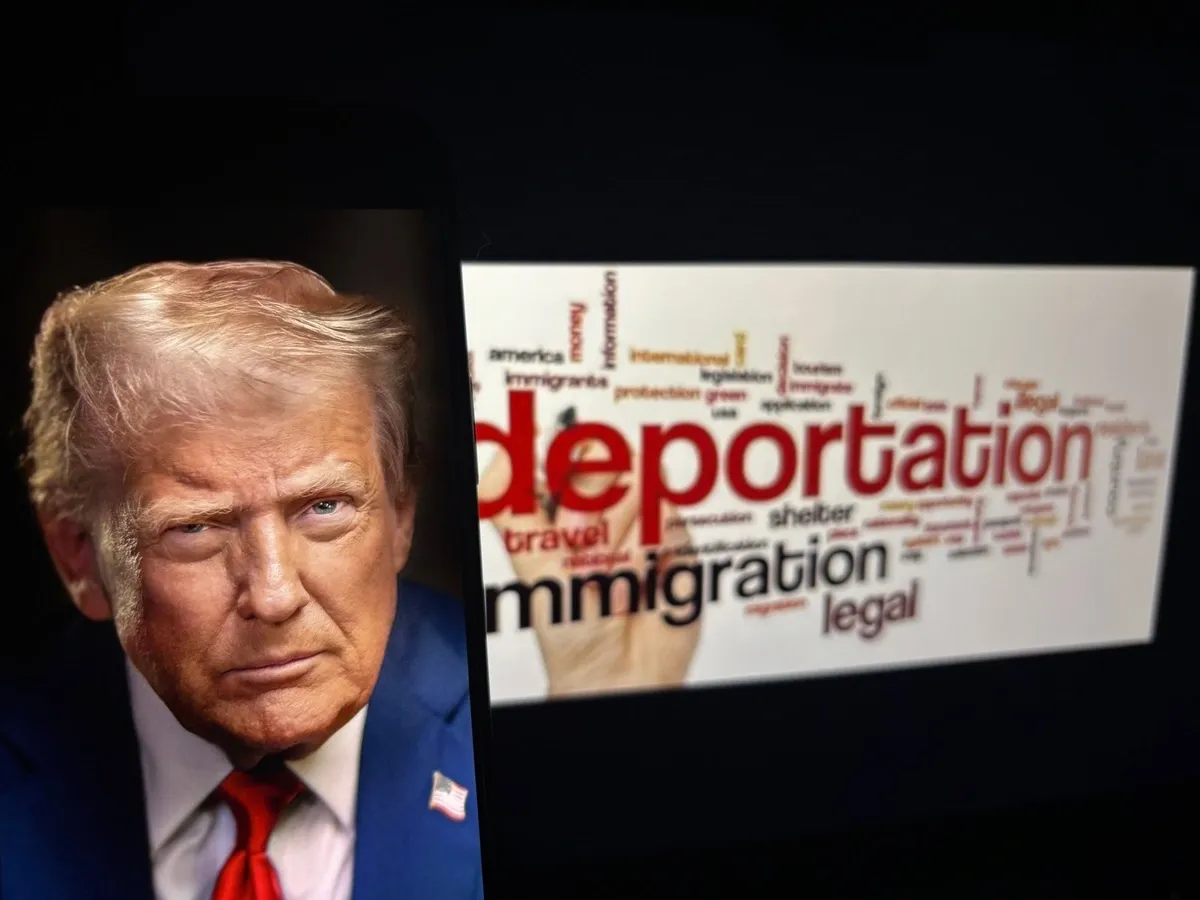
The restrictions form a key part of Trump’s renewed focus on immigration enforcement and border security in his second term.
US President Donald Trump on Tuesday signed a proclamation sharply expanding travel restrictions on foreign nationals from dozens of countries, reviving and widening a policy that had defined his first term as he said the measures were needed to protect national security.
The White House said the new proclamation maintains full entry bans on citizens of 12 countries previously deemed “high risk,” including Afghanistan, Iran, Libya, Somalia, Sudan and Yemen, while adding sweeping restrictions on Burkina Faso, Mali, Niger, South Sudan and Syria.
The order also bars entry to individuals traveling on Palestinian Authority–issued documents, citing security concerns and weakened vetting systems amid ongoing conflict in Gaza and the West Bank.
Trump imposed full restrictions on Laos and Sierra Leone, which had earlier faced only partial limits, and expanded partial restrictions to 15 more countries across Africa, the Caribbean and the Pacific, including Nigeria, Senegal, Tanzania, Zambia and Zimbabwe.
“The restrictions and limitations imposed by the Proclamation are necessary to prevent the entry of foreign nationals about whom the United States lacks sufficient information to assess the risks they pose,” the White House said, arguing that poor data-sharing, corruption, high visa overstay rates and the presence of extremist groups undermined screening processes in the affected countries.
The measures include exemptions for lawful permanent US residents, existing visa holders and certain categories such as diplomats, athletes and individuals whose entry is deemed to serve US national interests.
Case-by-case waivers will also remain available, though the administration said it would narrow family-based immigration carve-outs it claims are vulnerable to fraud.
The administration, however, eased one aspect of the policy for Turkmenistan, lifting a suspension on nonimmigrant visas such as tourist, business and student visas, while keeping a ban in place on immigrant visas. The White House said Turkmenistan had made “significant progress” in cooperating with US authorities and improving information-sharing.
Trump said the action followed consultations with cabinet officials and updated security assessments, adding that restrictions would be applied on a country-by-country basis to encourage cooperation with Washington.
During his first presidency, Trump imposed travel bans on several mostly Muslim-majority nations, a policy that triggered widespread protests and legal challenges before being upheld by the US Supreme Court in 2018.
The president restored those restrictions earlier this year after returning to the White House, making immigration enforcement and border security central planks of his second-term agenda.
“President Trump is keeping his promise to restore travel restrictions on dangerous countries and to secure our borders.,” the White House said.
Continued full restrictions and entry limitations for:
(a) Afghanistan;
(b) Burma;
(c) Chad;
(d) Republic of the Congo;
(e) Equatorial Guinea;
(f) Eritrea;
(g) Haiti;
(h) Iran;
(i) Libya;
(j) Somalia;
(k) Sudan;
(l) Yemen;
Addition to the above list:
(a) Burkina Faso,
(b) Mali,
(c) Niger,
(d) South Sudan;
(e) Syria;
(f) Laos; and
(g) Sierra Leone
(h) Palestinian-Authority-issued travel documents
Continued partial suspension of entry from:
(a) Burundi;
(b) Cuba;
(c) Togo; and
(d) Venezuela.
Partial restrictions on 15 additional countries:
Angola,
Antigua and Barbuda,
Benin, Cote d’Ivoire,
Dominica,
Gabon,
The Gambia,
Malawi,
Mauritania,
Nigeria,
Senegal,
Tanzania,
Tonga,
Zambia, and
Zimbabwe.
About The Author
Next Story