Business News
Trump tariffs: From Japan to the UK, list of trading partners striking deals with US
.png)
4 min read | Updated on July 31, 2025, 14:58 IST


SUMMARY
The United States has struck a series of trade deals with major partners — including the EU, UK, Japan, South Korea, Indonesia, and Vietnam — that lower or cap tariffs ahead of an August 1 deadline set by President Donald Trump.
A US trade delegation will visit India on August 25 for the sixth round of bilateral trade negotiations, days after the August 1 deadline for the suspension of steep tariffs.
The United States has secured a flurry of trade agreements with major economic partners ahead of an August 1 deadline set by President Donald Trump, who is also imposing a new round of tariffs and penalties on India in a surprising move.
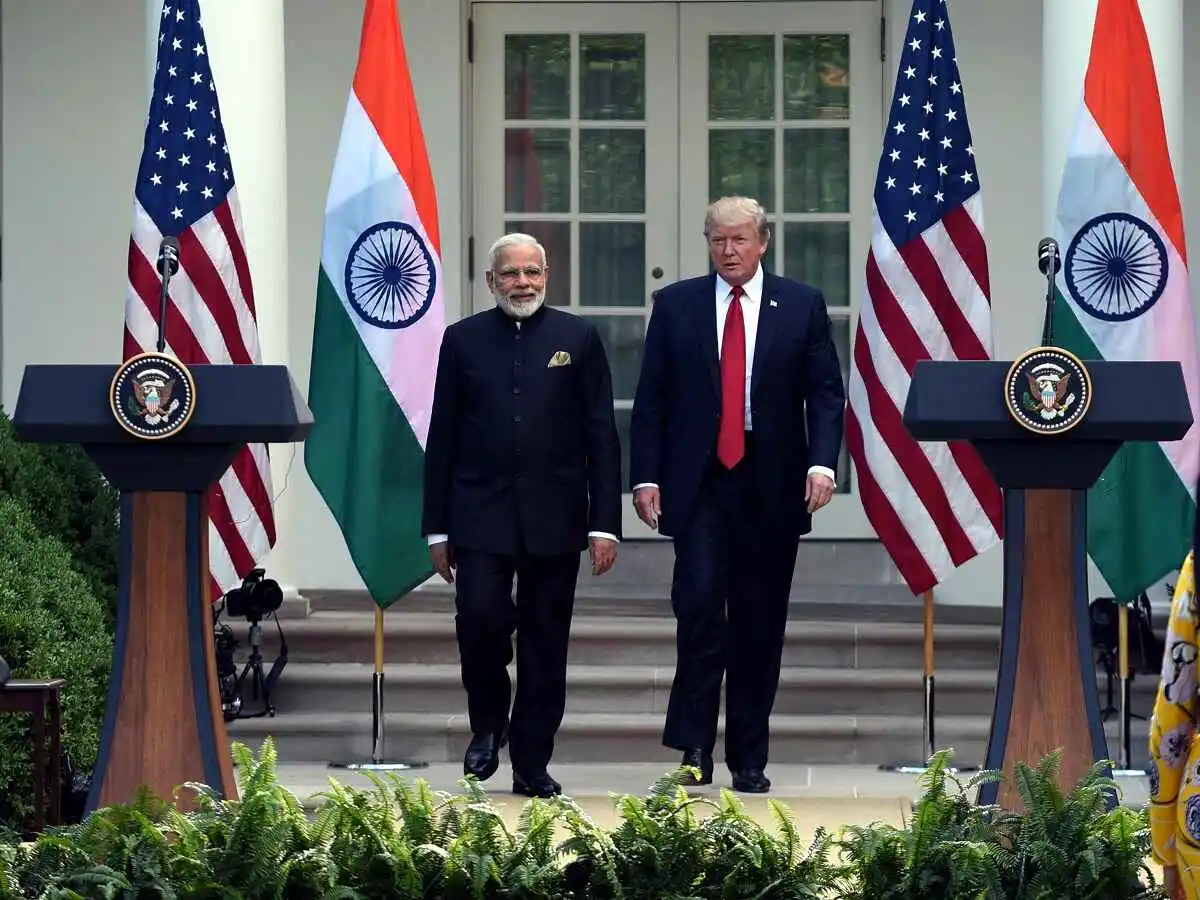
On Wednesday, Trump announced a 25% additional import duty on Indian goods, along with an unspecified penalty for India's continued purchases of Russian crude oil and military equipment.
The move came amid ongoing negotiations between the two nations over a bilateral trade agreement.
"All things not good! India will therefore be paying a tariff of 25 percent, plus a penalty," Trump wrote on social media, calling India’s trade practices "most strenuous and obnoxious."
While India faces a tariff hike, manyUS trading partners have clinched deals to reduce duties and avoid steeper levies.
European Union
On Sunday, the US and European Union announced a framework agreement that includes a 15% import tariff on most EU goods, down from a threatened 30%. The deal, revealed after a meeting between Trump and European Commission President Ursula von der Leyen in Scotland, is seen as a major breakthrough in avoiding a transatlantic trade war.
Trump praised the EU’s commitment to invest $600 billion in the U.S. and boost purchases of American energy and defense products. The deal, he said, "tops" the $550 billion agreement reached with Japan.
While the 15% tariff covers most goods, including semiconductors and pharmaceuticals, the US will maintain a 50% tariff on steel and aluminum. Questions remain over the scope of tariff exceptions and whether existing levies are included in the new rates.
United Kingdom
The UK has also struck a landmark deal, becoming the only country to secure a reduced 10% tariff on car exports to the US, down from 27.5%, along with the elimination of 10% tariffs on aerospace goods.
Prime Minister Keir Starmer hailed the deal as a "historic" step to protect British jobs and industries. However, the deal limits the 10% rate to a quota of 100,000 vehicles annually. Exports beyond that will face the standard 25% tariff.
South Korea
South Korea agreed to a 15% tariff on its exports to the US, avoiding a steeper 25% rate.
The deal includes a $350 billion investment pledge in American infrastructure, energy, and tech sectors. In return, South Korea will gain duty-free access for US autos and agricultural goods.
While specifics around the fund remain unclear, officials said 90% of profits from the investments would benefit Americans. South Korea’s $55.7 billion trade surplus with the US in 2024 made it a prime target for Trump’s trade overhaul.
Japan
Japan secured a high-profile agreement to reduce tariffs on auto exports to 15% from a potential 27.5%, as part of a $550 billion trade and investment package. The deal includes Japan buying 100 Boeing jets and increasing its defence spending with US firms to $17 billion annually.
"This is the largest TRADE DEAL in history with Japan," Trump said, touting it as a model for future agreements.
Under the terms, Japan will also boost US agricultural imports and participate in joint semiconductor and pharmaceutical projects, while keeping tariffs on medicines and chips subject to future talks.
Indonesia
Indonesia agreed to eliminate tariffs on over 99% of US goods and drop non-tariff barriers in exchange for a US tariff cut to 19% from 32%. The deal also includes Indonesian commitments to purchase 50 Boeing aircraft and $15 billion in American energy supplies.
The agreement bans tariffs on internet data flows, removes export restrictions on critical minerals, and allows US safety standards for vehicles.
Vietnam
Vietnam will face a 20% tariff on its exports to the US, significantly lower than the originally proposed 46%. Goods routed through Vietnam from third countries like China will be hit with a 40% tariff.
Vietnamese officials described the deal as a framework for deeper economic ties. Trump praised the agreement as “a great honour” and a strategic win that supports growing military and diplomatic ties between the two nations.
Related News
About The Author
Next Story